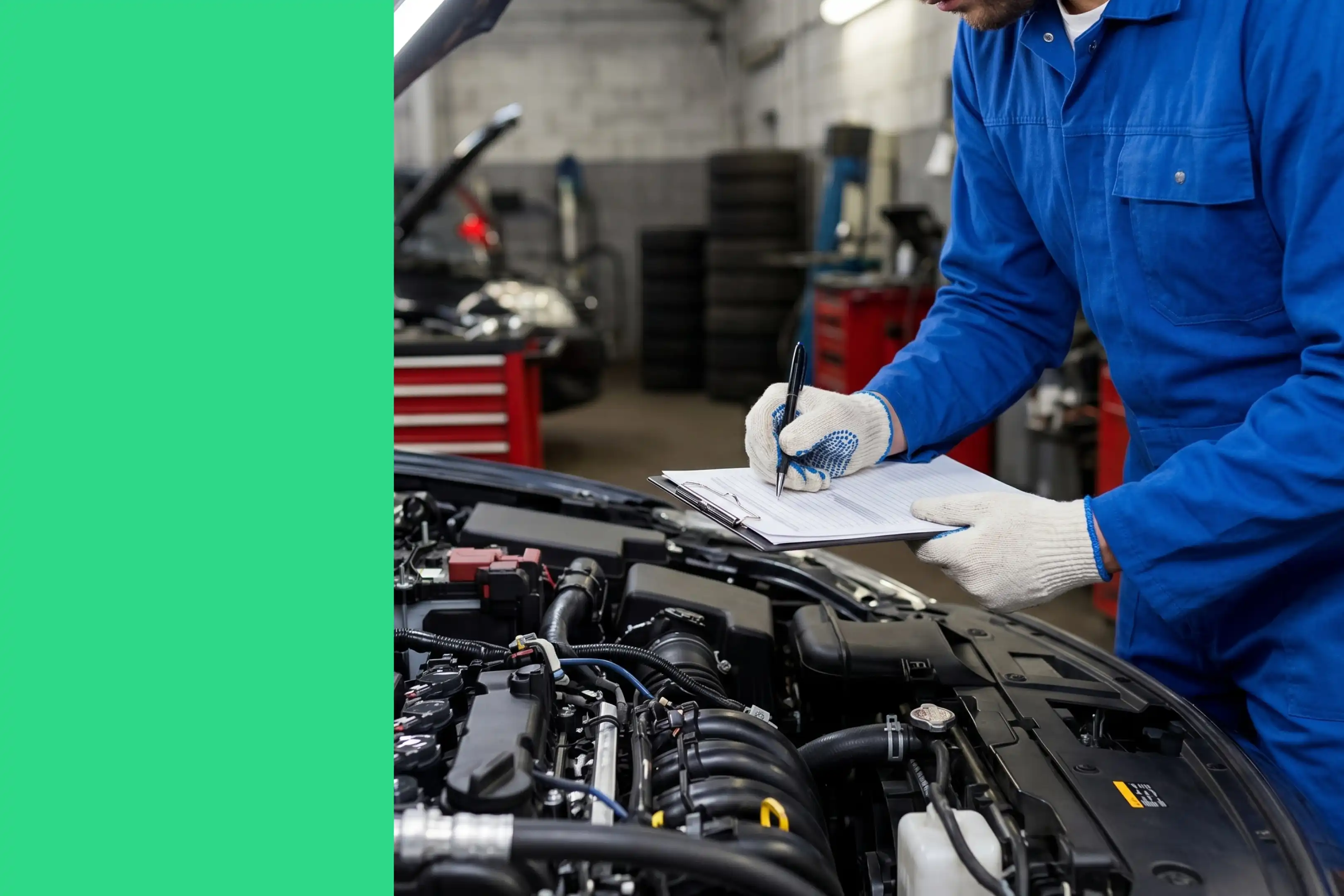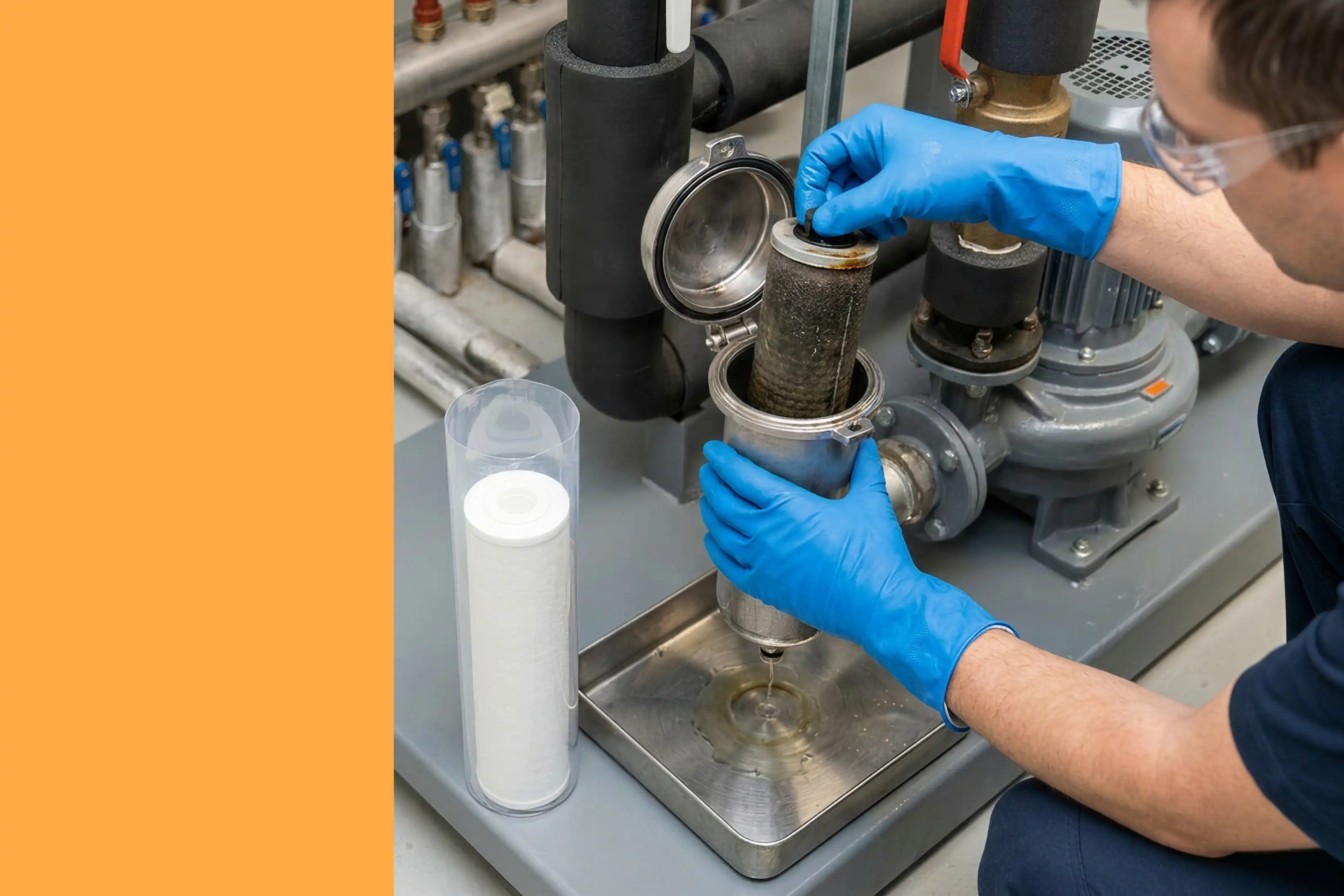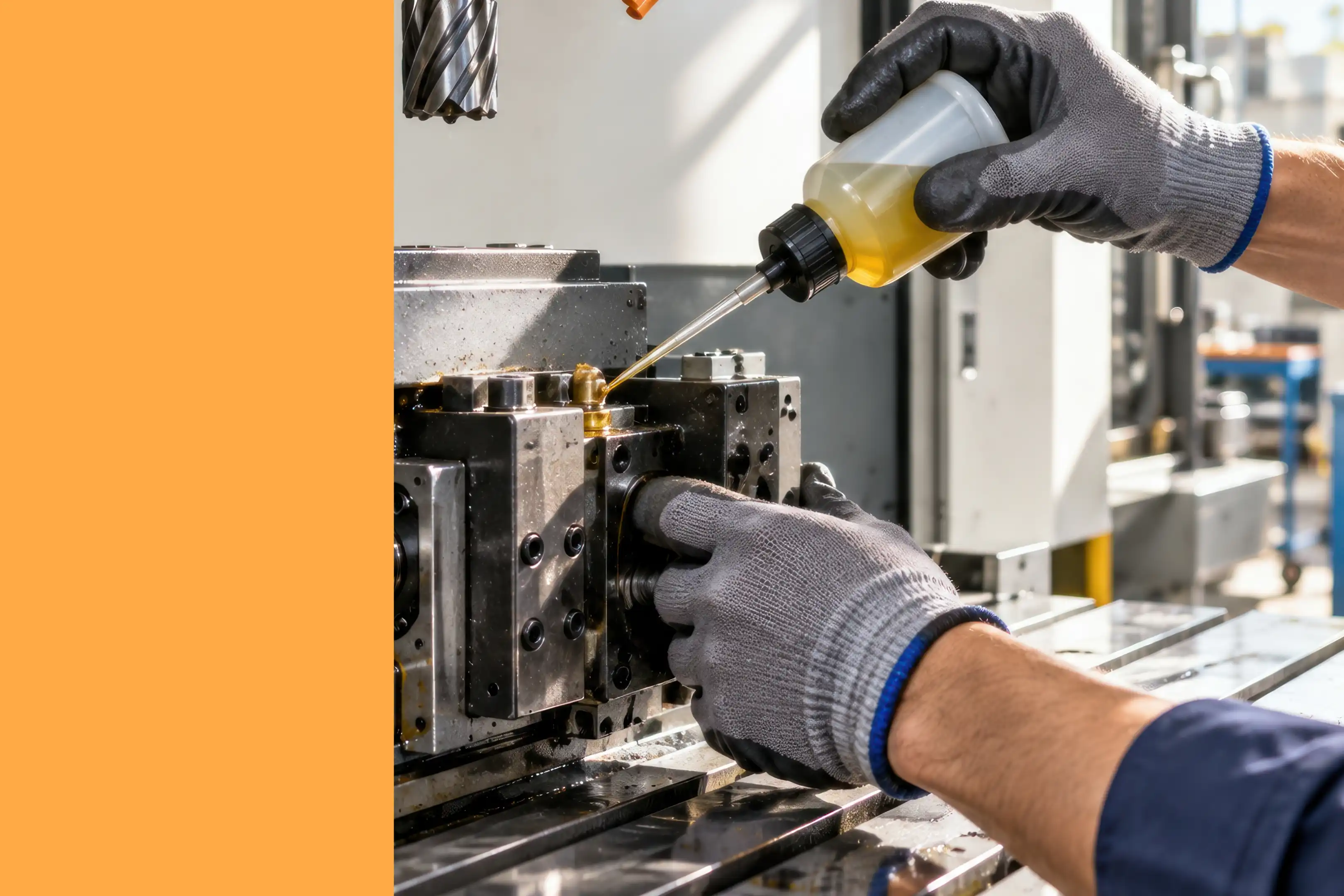
A clean, inspect, lubricate (CIL) checklist is a short routine operators run on their own equipment to restore basic conditions and spot deterioration while it’s still cheap to fix. Cleaning exposes leaks and contamination sources, inspection compares each component against a defined standard, and proper lubrication protects the wear points that fail first.
Run as a consistent CIL routine, it becomes the operator-driven reliability layer under your preventive maintenance program and one of the most direct ways to extend equipment life.
Start with the CIL checklist template below, then read on for how to write cleaning and inspection standards operators can act on, trace contamination to its source, and use completion data to tighten the program.
Key takeaways
- CIL works best as a defect detection routine. Cleaning exposes leaks and contamination sources, while inspection and lubrication checks catch wear before it becomes equipment failure.
- Clear escalation tiers remove guesswork. When operators know which findings they fix, tag, or escalate, defects reach maintenance faster, and fewer problems slip past each shift.
- A CMMS turns CIL logs and completion times into maintenance history. Your team can spot recurring defects and refine standards on a regular review cycle.
How to use this checklist
Customize for your facility
Start with the CIL standard for each asset, because a bottling line, a CNC cell, and a stamping press need different cleaning agents, lubrication points, and inspection criteria. Remove items that don’t apply, such as hydraulic checks on all-electric equipment, and add steps from OEM manuals, your site lockout/tagout procedures, and any food safety or hygiene rules. Size each round to the time operators actually have at the start of a shift, and move longer tasks onto your planned maintenance schedules.
If you’re rolling out CIL as part of autonomous maintenance, run an initial cleaning first to restore deterioration and eliminate sources of contamination, then write temporary cleaning and lubrication standards that operators refine through general inspection. This checklist takes over once those basic conditions are in place and turns them into day-to-day operator-driven reliability.
Use a CMMS
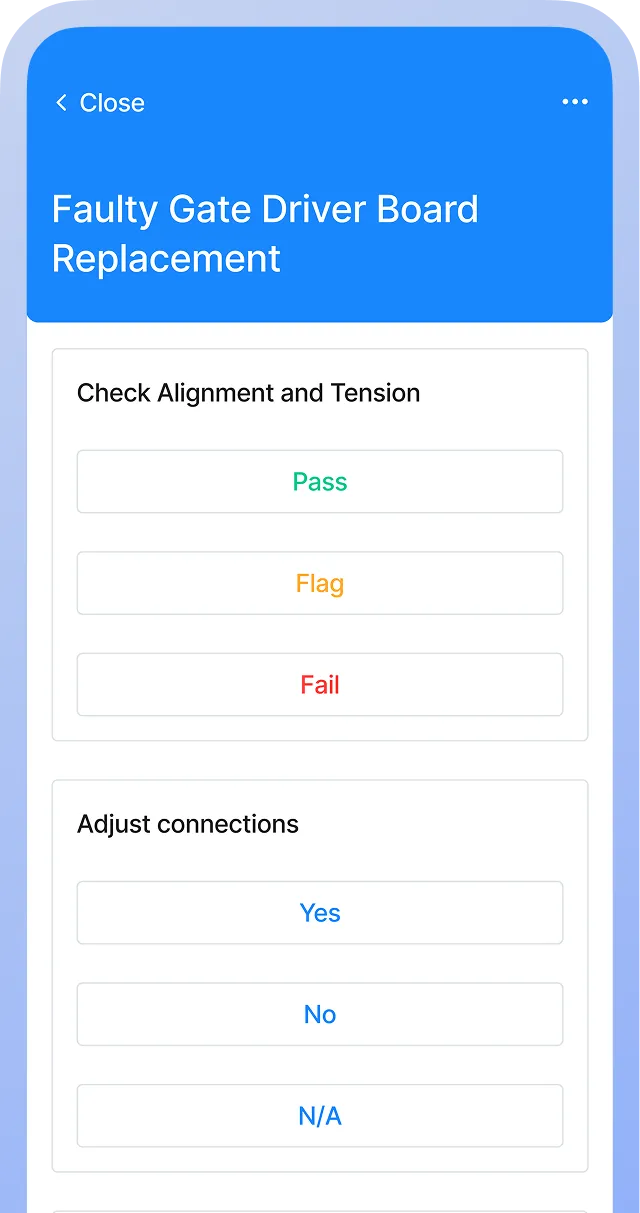
Running this checklist in a CMMS turns each CIL round into findings maintenance can act on and track. Operators complete the round on a phone at the machine, attach a photo to anything abnormal, and create a work order from a failed item without leaving the checklist. Automated workflows then route that work order to the right technician and keep it visible as an outstanding task until it’s closed.
Each round also records lubricant type, quantity, and findings against the asset, so your team can spot patterns that single rounds miss. A gearbox that needs topping off every week or a bearing that takes far more grease than its spec calls for points to a CIL standard that needs adjusting.


Clean, inspect, lubricate (CIL) checklist
Preparation and lockout
Cleaning
Mechanical inspection
Lubrication
Electrical inspection
Restart and functional check
Defect response
Documentation and compliance
This checklist is to be used only by those with appropriate training, expertise, and professional judgment. You are solely responsible for reviewing this checklist to ensure that it meets all professional standards and legal requirements, as well as your needs and intent.
How to write cleaning and inspection standards operators can act on
A CIL checklist only catches defects when every operator knows exactly what “normal” looks like for each task. Without that, two operators looking at the same gearbox housing can disagree about whether the oil residue is a leak or acceptable seepage, and both will sign off.
Each checklist line needs a matching standard for the specific asset, which is why the round starts with reviewing that asset’s CIL standard. “Inspect belts and chains for wear and tension” is the right prompt for the round. The standard behind it should state the limit for that machine, such as “no cracking, fraying, or glazing on the belt contact surface” or “chain sag within the marked range on the guard window.” Those limits take the judgment call out of the operator inspection and keep your standards from depending on the memory of your most experienced people.
Visual management makes those standards visible at the machine:
- Gauges: Green and red bands on pressure and temperature gauges so a reading out of range is obvious at a glance
- Fasteners: Match marks across bolts and nuts so a loosened fastener shows up as a broken line
- Fluid levels: Min/max tags on sight glasses and reservoirs
- Reference photos: An acceptable and an abnormal example posted at the point of inspection, such as a clean coupling next to one shedding rubber dust
- Lubrication points: A visible lubrication system, with color-coded fittings and containers and a label at each point naming the lubricant, which cuts the human error behind wrong-grease mistakes
When every operator shares the same reference point, defect detection stays consistent across shifts, and early wear that used to slip through gets tagged on the round that first sees it.
How contamination source mapping turns cleaning into defect prevention
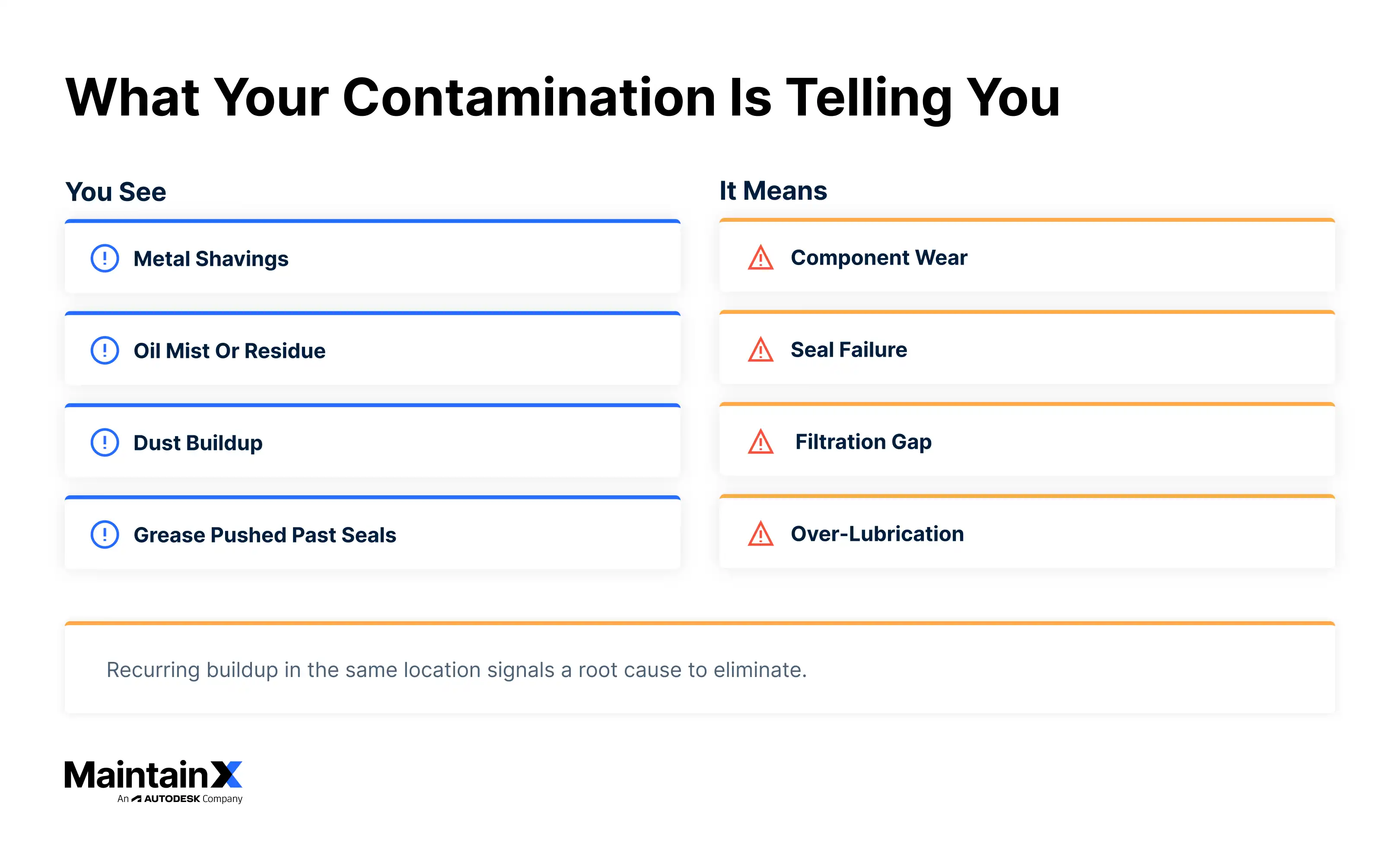
Contamination source mapping means operators record where dirt, oil, or debris came from each time they clean, so your team can eliminate the source instead of cleaning the same spot every shift. Coolant mist on a CNC enclosure window, for example, traces back to a worn wiper seal on the door, and fine powder on a filler’s drive motor to a split connector on the hopper above it.
Over a few weeks, the log ranks your assets by cleaning time and gives you a short list for countermeasures like splash shields, new seals, or a rerouted hose. Each fix shortens future rounds, and the cleaning time it saves gives you a measurable area improvement target, such as halving cleaning time on a line within a quarter. When a source resists a quick fix, run a root cause analysis before adding another cleaning step.
Use CIL completion data to refine your standards over time
Review your CIL completion and defect data on a regular cycle and use it to change the checklist itself. Four patterns tell you what to change:
- Tasks that keep finding defects usually point to an equipment problem that needs a corrective repair or a design change, not more frequent inspection. Feed them into your defect elimination program.
- Tasks that never find anything are candidates for a longer interval, which frees operator time for checks that do.
- Borderline findings that operators can’t confidently classify mean the standard’s wording needs a sharper limit or a reference photo.
- Completion times that run long show where cleaning takes too much effort and a hard-to-reach point needs redesign.
Create visible metrics at the line, such as CIL completion rate, open tags by asset, and repeat defects, so operators see that their findings lead to action. Over time, tie those numbers to downtime and overall equipment effectiveness (OEE) to show how a stronger CIL program improves equipment reliability and reduces downtime across your maintenance operations.
Use a CMMS to simplify your CIL program
A CMMS simplifies a CIL program by keeping each asset’s standards, findings, and history in one place instead of in binders and spreadsheets. In MaintainX, you can attach an asset’s CIL standard, including its limits and reference photos, to the procedure operators complete, so they see what normal looks like on the same screen they use for the inspection round.
You can review findings, repeat defects, and completed rounds by asset and location, which gives your reliability team the data to set area improvement targets and decide which tasks need a longer or shorter interval. If you run CIL at several sites, global procedures let you update a standard once and share the new version with each site.
If you’re standardizing CIL across lines or sites, book a tour to see how MaintainX handles asset-level standards, defect work orders, and contamination trends.
CIL checklist FAQs
What are the essential elements of a clean, inspect, lubricate (CIL) preventive maintenance program?
A CIL program needs clear task standards, visual criteria for normal condition, and escalation rules for what operators fix, tag, or stop the machine for. It also needs an owner for each asset, a set frequency for each task, and a feedback loop that turns findings into work orders and updated standards.
How do OSHA and LOTO requirements apply to cleaning, inspection, and lubrication activities?
OSHA’s lockout/tagout standard, 29 CFR 1910.147, covers CIL work whenever an unexpected startup or release of stored energy could injure the operator. During normal production, it applies when a task requires removing or bypassing a guard, or placing any part of the body at the point of operation or in a danger zone. Minor servicing that is routine, repetitive, and integral to production can be exempt only if alternative measures provide effective protection, so document which CIL tasks need full lockout and which qualify for the exception. For the lockout steps themselves, use a lockout/tagout procedure checklist.
How often should equipment be cleaned, inspected, and lubricated in a manufacturing environment?
Set CIL frequency by asset criticality, operating conditions, and the manufacturer’s guidance. High-speed or heavily contaminated equipment often needs CIL every shift or every day, while stable assets in clean areas may only need weekly or monthly rounds. Adjust intervals as your defect data shows which tasks find problems.
What should be included in the inspection portion of a CIL checklist?
The inspection portion should include observable checks for leaks, loose fasteners, abnormal noise, vibration, heat, belt and chain wear, and guard condition. Each item should point to an asset standard that defines what normal looks like and which findings trigger a work order.
How does a clean, inspect, lubricate program align with ISO 55000 asset management standards?
A CIL program supports ISO 55000 by tying routine frontline care to asset reliability, risk control, and continual improvement. Documented standards, traceable findings, and data-driven updates to the checklist show how daily tasks protect asset value and support your organization’s asset management objectives.
How does a CIL program improve overall equipment effectiveness?
A CIL program improves overall equipment effectiveness by catching the small defects behind unplanned stops, speed losses, and quality issues before they become major problems. Contamination, loose fasteners, and poor lubrication practices reduce equipment effectiveness gradually, so a routine that finds them early belongs alongside your other proactive maintenance strategies for maintaining equipment reliability. Track OEE alongside your CIL completion and defect data to see which assets improve.

Marc Cousineau is the Senior Content Marketing Manager at MaintainX. Marc has over a decade of experience telling stories for technology brands, including more than five years writing about the maintenance and asset management industry.