
Total Productive Maintenance
Give every worker what they need to keep production moving
Give frontline staff the tools to run autonomous maintenance, communicate with each other, and stop breakdowns before they happen.








Our clients using MaintainX report
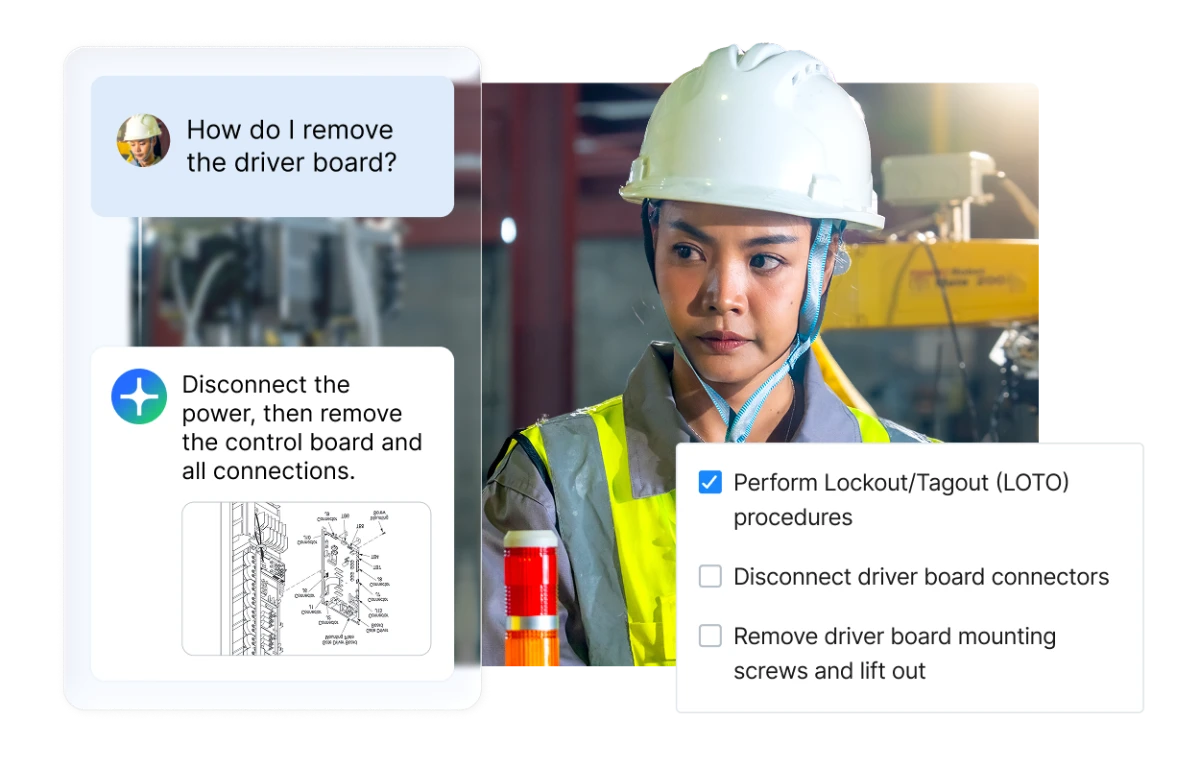
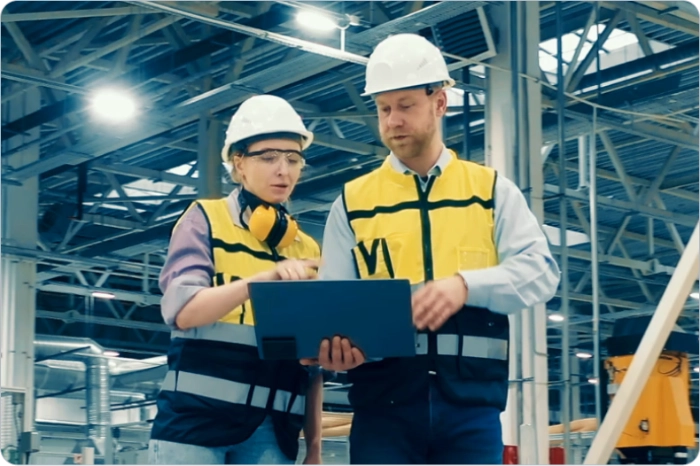
Give frontline workers the resources and SOPs they need, when they need them
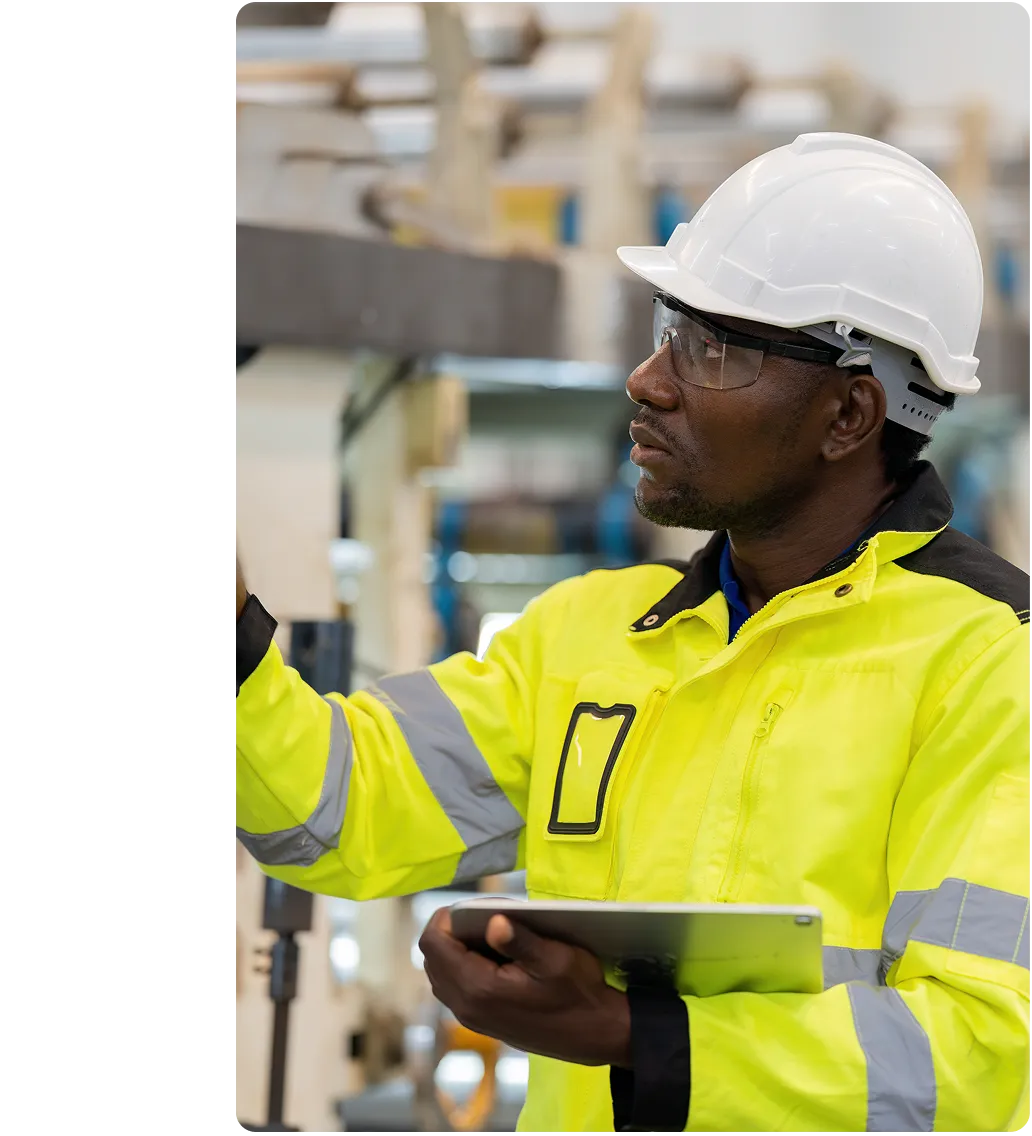
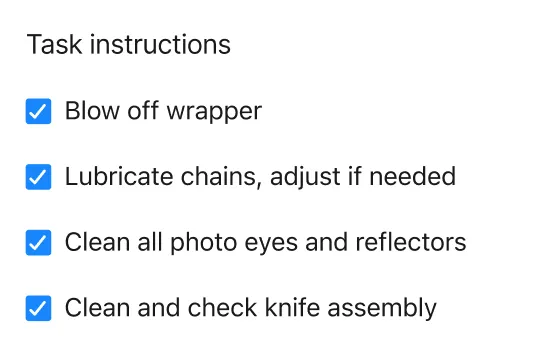
Operators and technicians can access standardized procedures, checklists, and asset records from a mobile device on the production floor so everyone has the confidence to complete maintenance work quickly and correctly.
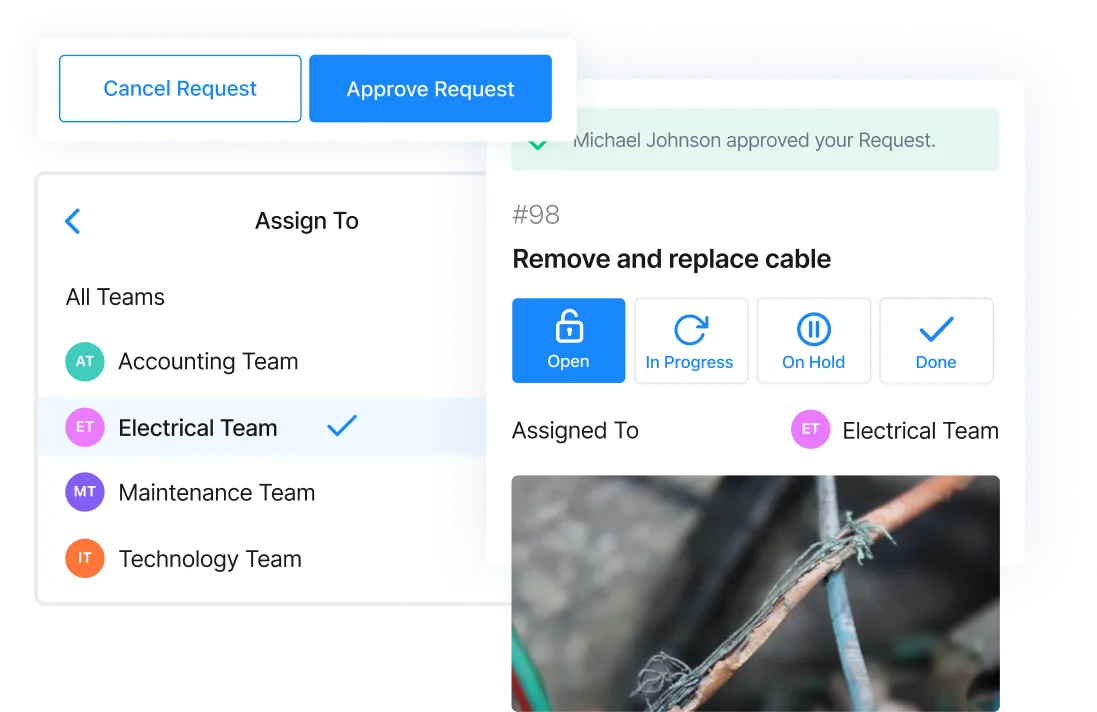
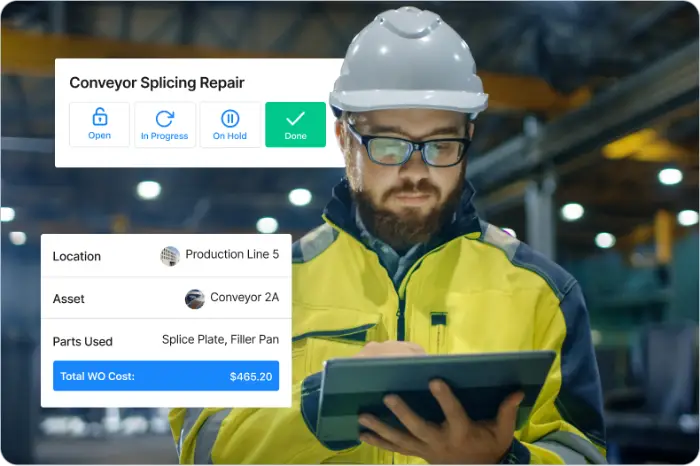
Automatically turn every maintenance request into a prioritized, assigned work order
Anyone in your operation can scan a QR code and submit a request in 60 seconds. No login required. MaintainX routes it to the right team, prioritizes it, and creates a work order. No manual triage. No missed requests.
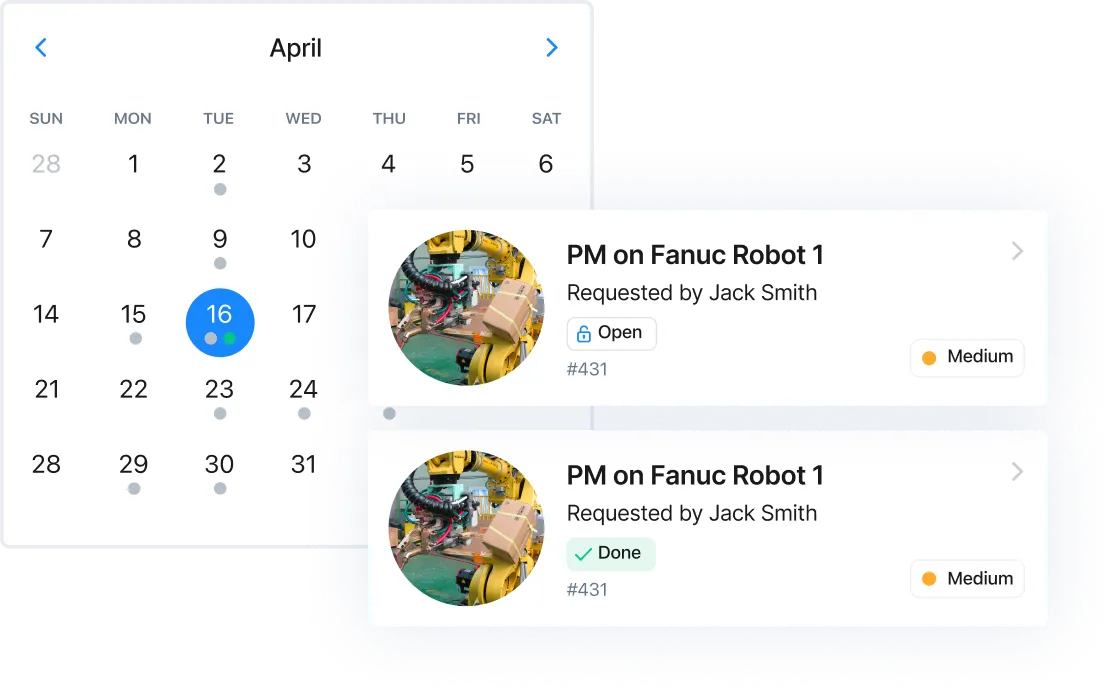
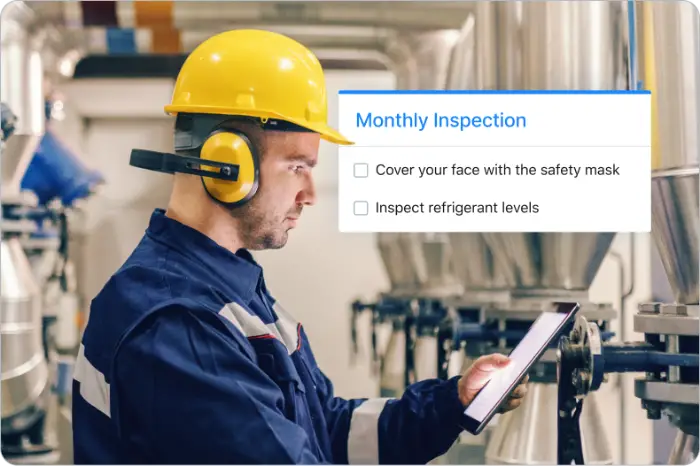
Keep preventive maintenance on schedule so you can stop reacting to breakdowns
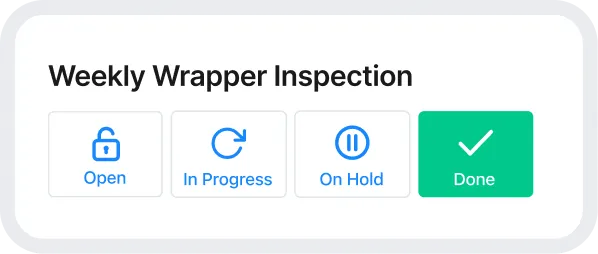
Automate PM scheduling by time, usage, or asset condition. When an inspection fails, a corrective work order is created automatically. Help your team spend less time firefighting and more time on planned maintenance work.
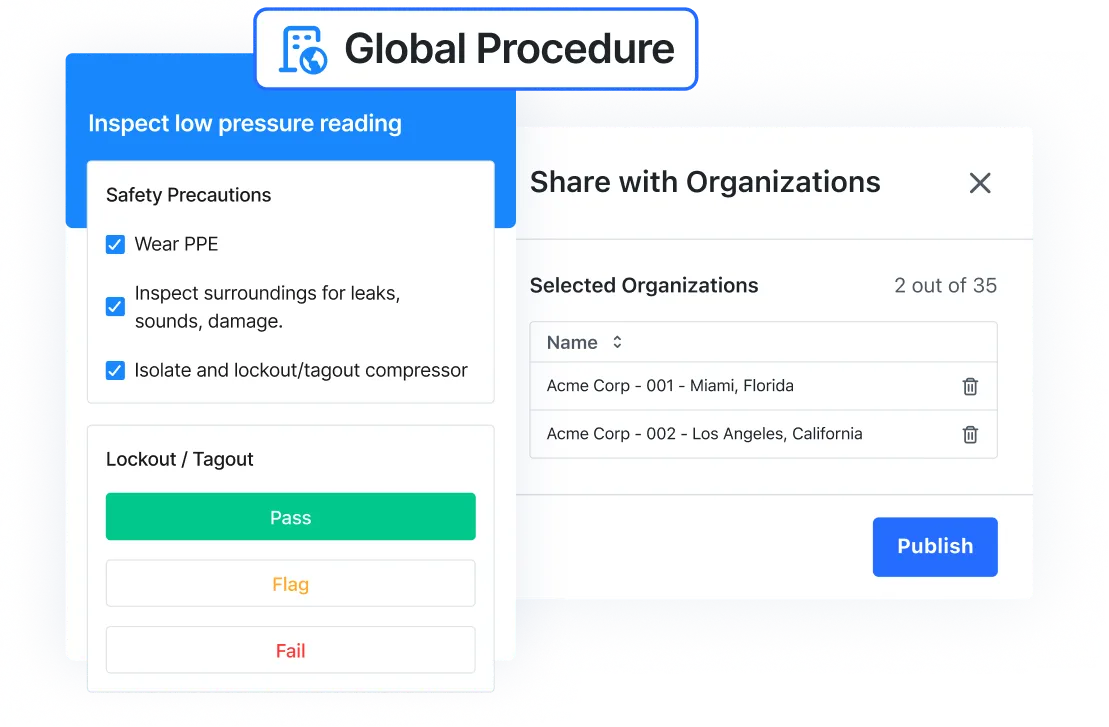
Standardize maintenance across every site, shift, and team
Build procedures once and push them to every facility in real time. Everyone can follow the same steps and log data the same way. Ensure consistency to reduce errors and create audit trails you can trust.
Capture knowledge before it walks out the door
Capture work history, failure patterns, and repair notes in one place. Make it accessible in seconds with AI that helps technicians and operators onboard quicker, troubleshoot faster, and complete work with confidence.
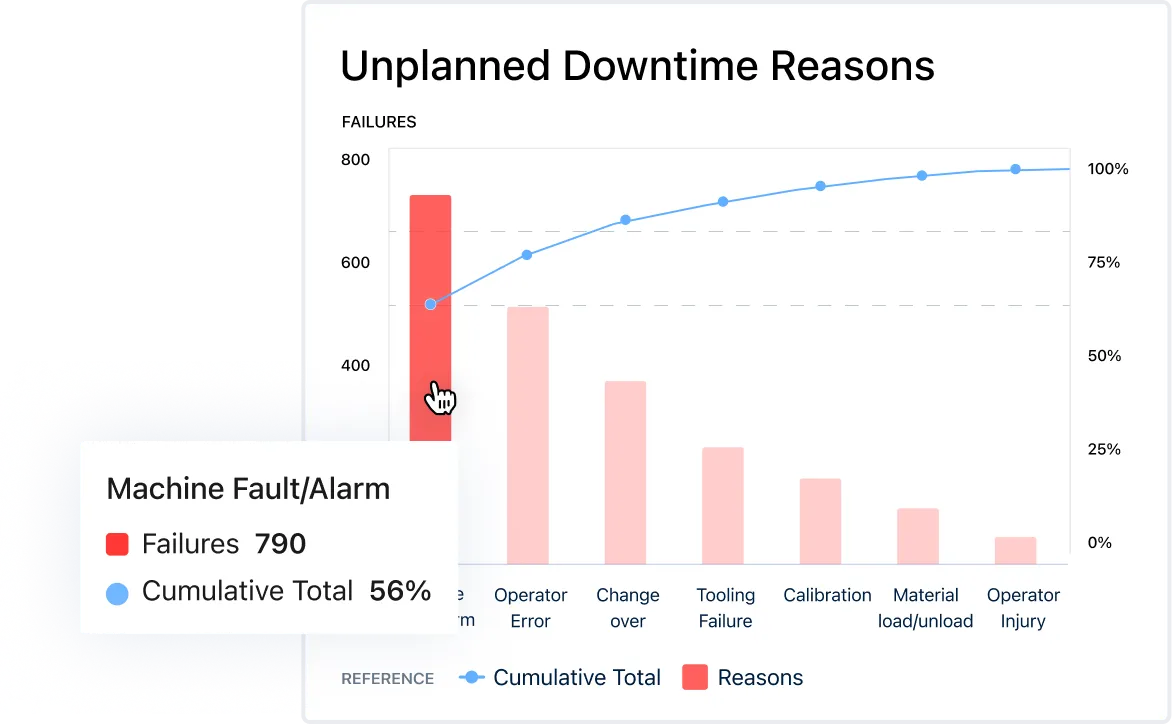
Turn maintenance data into decisions your operation can act on
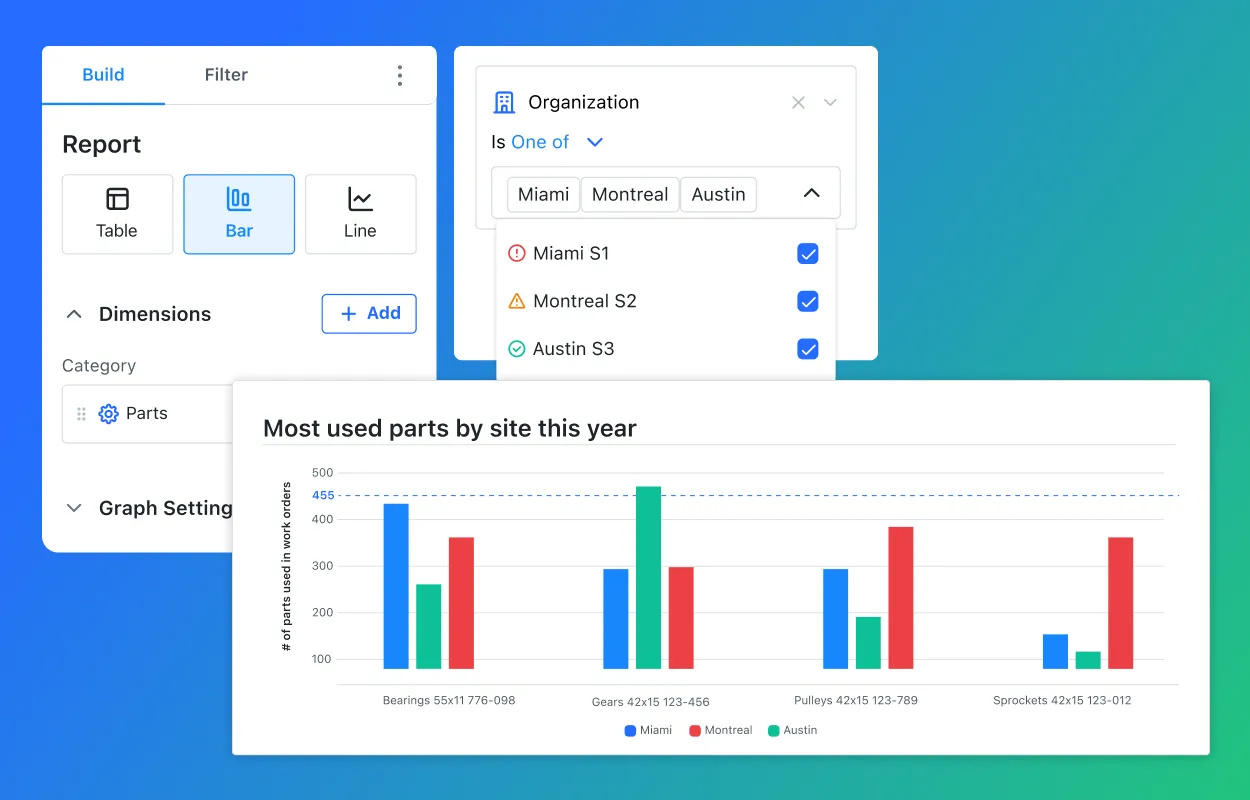
Out-of-the-box and customizable reports track work order completion, asset availability, MTTR, and costs. Compare performance across facilities and identify where to invest without pulling data from multiple systems.
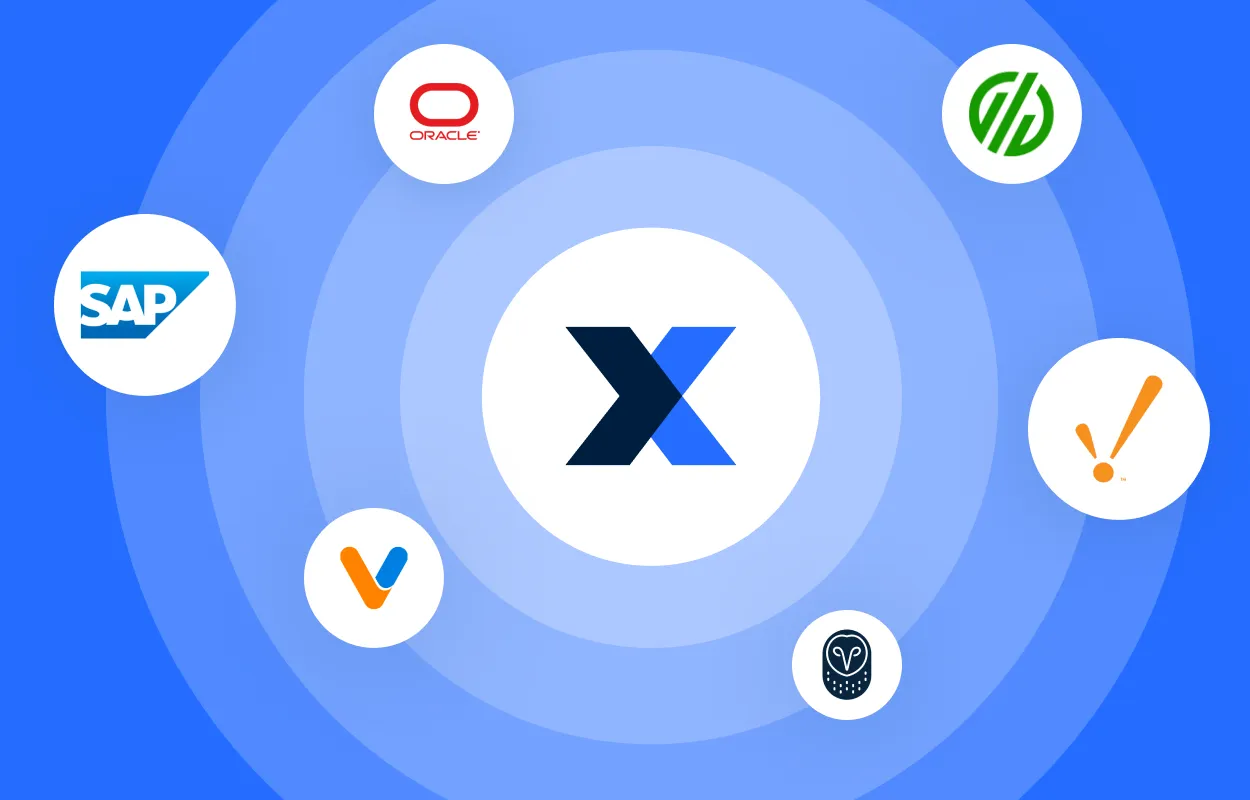
Connect maintenance to the tech stack your operation already has
Integrate your CMMS with SAP and other ERPs, plus IoT sensors, and BI platforms. Work orders, parts, and purchase orders stay in sync so maintenance doesn't operate in isolation from the rest of the business.

Award-winning software you can trust

See what customers have to say
We use MaintainX to manage and maintain more than 50 critical assets, achieving significant improvements in machine uptime and overall efficiency.

Since having MaintainX, no machines have missed any work. Downtime has decreased massively!
MaintainX is the reason we have gone from an overall plant efficiency of 60% to over 95%.
Frequently Asked Questions
Got a question? We’ve got answers. Need troubleshooting help? Check out our Support Center.
What is total productive maintenance (TPM)?
Total productive maintenance is a holistic approach to equipment management and maintenance operations that aims to eliminate all forms of waste, like unplanned downtime, quality defects, slow production cycles, and safety incidents, through proactive maintenance, operator involvement, and continuous improvement. TPM organizes this work around eight pillars: autonomous maintenance, planned maintenance, quality maintenance, focused improvement, early equipment management, training and education, safety and environment, and administrative TPM. The goal is to maximize equipment effectiveness (OEE) while involving every member of the workforce in keeping production processes running reliably.
What software supports a total productive maintenance program?
A CMMS (computerized maintenance management system) is the core digital tool for implementing TPM. Good TPM software helps you create a connected workforce by scheduling and tracking preventive maintenance, standardizing work instructions, automating corrective actions when equipment fails inspections, capturing asset data, and reporting on KPIs. MaintainX is built for industrial operations teams and supports all eight pillars of TPM, from autonomous maintenance and planned maintenance to knowledge sharing, continuous improvement, and multi-site standardization.
What is autonomous maintenance in TPM, and how does software help?
Autonomous maintenance shifts basic equipment care, like cleaning, lubrication, visual inspections, to operators rather than relying entirely on dedicated maintenance staff. Software supports this by giving frontline workers instant access to digital work instructions, inspection checklists, and asset history from a mobile device on the shop floor. MaintainX lets operators perform jobs, complete inspections directly from their phone, flag anomalies in real time, and trigger work orders when something needs attention, without waiting for a maintenance technician to get involved.
What are the eight pillars of total productive maintenance?
The eight pillars of TPM are:
(1) autonomous maintenance, (2) planned maintenance, (3) quality maintenance, (4) focused improvement (Kaizen), (5) early equipment management, (6) training and education, (7) safety, health, and environment, and (8) administrative and office TPM. Each pillar addresses a different source of waste or inefficiency in manufacturing and industrial operations. A connected worker platform like MaintainX supports all eight by giving maintenance teams, operators, and plant leaders the digital tools to execute, document, and improve their work consistently.
How do you measure total productive maintenance effectiveness?
The primary metric for TPM effectiveness is overall equipment effectiveness (OEE), which combines equipment availability, production performance, and output quality into a single score. Teams also track MTBF (mean time between failures), MTTR (mean time to repair), planned maintenance ratio, and unplanned downtime as a percentage of total production hours. You can also analyze maintenance costs and worker safety. MaintainX tracks these metrics automatically as work orders are completed and asset data is captured so you can see trends over time and benchmark performance across sites.
How does MaintainX support TPM for multi-site manufacturing operations?
The MaintainX EAM solution gives multi-site teams a single platform to build and enforce procedures across all facilities, share parts inventory, and compare site-level KPIs. Global Procedures lets you push updated SOPs to every plant and all employees in real time so all sites follow the same standards for repetitive tasks. Global Reporting gives plant leaders and VPs a consolidated view of performance across the organization, making it easier to identify which sites need attention and where best practices should be replicated.
What's the difference between a connected work platform and a CMMS?
A CMMS focuses on managing maintenance work: scheduling PMs, creating work orders, tracking parts, and recording asset history. A connected worker solution goes a step further — it gives every worker on the production floor access to the information, tools, and communication they need to do their job correctly and safely, not just the maintenance team. MaintainX functions as both: a full CMMS for maintenance managers and a connected worker solution for operators, frontline technicians, and supervisors who need real-time visibility, digital work instructions, and the ability to report issues instantly from wherever they're working.
Can MaintainX integrate with our ERP or existing industrial systems?
Yes. MaintainX allows for seamless integration with major ERP platforms including SAP, Oracle JD Edwards, and Infor EAM, as well as IoT sensors, MQTT-enabled equipment, fleet management solutions, and BI tools like Tableau and Power BI. Work orders, purchase orders, and parts data sync between MaintainX and your ERP so maintenance activity is reflected in your financial and operational systems without manual processes and reentry. An open REST API is also available for custom integrations. For IT teams, MaintainX supports SSO, custom permissions, SOC 2 and ISO 27001 compliance, and a 99.9% uptime SLA.
How long does it take to implement a TPM software program with MaintainX?
Most MaintainX customers get their teams up and running within weeks, not months. The implementation process includes risk assessment and project scoping, data migration and digitization of existing SOPs, platform configuration, and end-user training. MaintainX has completed more than 4,500 digital transformation implementations with a 98% adoption rate and 4.8/5 client satisfaction score. Implementation specialists come from engineering, operations, and maintenance management backgrounds, meaning they understand what a TPM program actually requires in practice, not just in theory.
What industry benefits from using total productive maintenance software?
Any industrial company can benefit from total productive maintenance and the technology that allows you to manage it. That includes automotive, food and beverage, chemical, plastics, and other manufacturing companies, along with facility, distribution, and warehouse management. Industrial teams in these industries use TPM software to reduce downtime, increase productivity and efficiency, get real-time insights into equipment performance, reduce errors, and make informed decisions about resource management and asset reliability that allows them to solve problems faster.
How does TPM software help eliminate the Six Big Losses and improve OEE?
The Six Big Losses — breakdowns, setup delays, minor stoppages, speed losses, startup defects, and production defects — are the primary sources of OEE erosion in manufacturing. TPM software addresses each one by helping teams prevent failures before they occur, respond faster when they do, and capture the data needed to find root causes. MaintainX tracks equipment availability, performance, and quality in real time so you can see where losses are happening and act on them. Consistent preventive maintenance also extends asset lifespan by catching wear early, before it becomes premature failure or a quality problem on the production line.
What is a connected worker solution, and why does it matter for TPM?
A connected worker solution is a cloud-based platform, typically accessed via mobile app, that gives frontline workers real-time access to work instructions, checklists, and communication tools from wherever they're working. For TPM, it's what makes autonomous maintenance practical at scale. Operators get simplified checklists to complete routine tasks like lubrication and inspections, and they log those checks in the app rather than on paper. That shift from manual processes to mobile workflows improves accuracy, closes knowledge gaps, and reinforces the cultural change TPM depends on: operators taking collective ownership of equipment health, not just running machines until something breaks.