
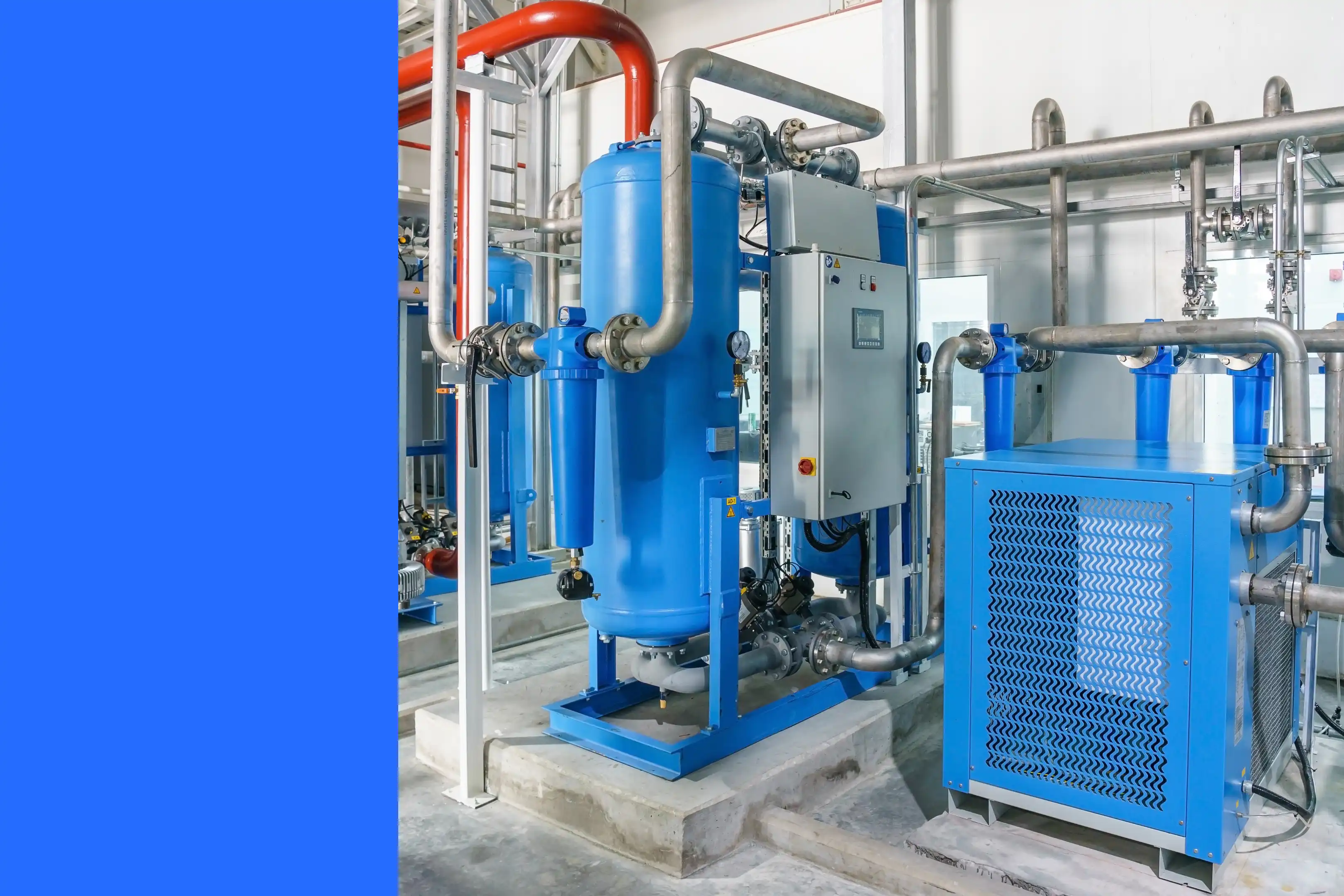
An air compressor maintenance checklist protects more than the compressor itself. Every pneumatic tool, automation system, and quality-sensitive process downstream depends on consistent, clean air delivery.
With an air compressor maintenance checklist, protecting both compressors and the equipment that depends on them through preventive maintenance becomes simple and structured. Routine inspections help spot early warning signs of failure so repairs can be scheduled around production. Over time, maintenance teams gain data to back up their priorities.
Key takeaways
- Regular preventive maintenance protects both air compressors and the tools that rely on them. Consistent oil changes and filter replacements prevent pneumatic tool failures, automation delays, and product contamination in downstream operations.
- Trending parameters, like discharge temperature, oil condition, and filter pressure differential, reveal developing problems days or weeks before failures occur. Teams can then schedule repairs instead of reacting to emergency shutdowns.
- Recording inspection data in a CMMS creates diagnostic baselines that transform routine checks into troubleshooting intelligence, helping maintenance teams distinguish normal operating patterns from emerging issues.
How to use this checklist
Customize for your facility
We’ve designed this checklist to be useful in as many environments as possible. Adapt it to your specific equipment and application.
Inspections of reciprocating compressors typically put more attention on valve plates and piston rings, while routine maintenance on rotary screw systems focuses on the condition of airends and oil separators. Facilities with critical air quality needs (food processing, pharmaceuticals, clean rooms) should add point-of-use sampling and expand filtration checks. Consider local regulations for pressure vessel inspections and relief valve testing intervals, which vary by jurisdiction.
Use a CMMS
This checklist works best when you use it with a computerised maintenance management system (CMMS). A CMMS lets you automate inspection schedules based on runtime hours rather than calendar dates, identify trending wear patterns, and automatically create work orders for filter changes and other corrective maintenance actions that come up during your inspection.
A mobile CMMS is also extremely useful for logging compliance records for pressure vessel certifications and relief valve tests. With it, technicians can log oil analysis results and operating parameters directly from the field.
This checklist covers inspection and maintenance tasks only. Before performing any work, consult OEM manuals and your facility's safety procedures for lockout/tagout (LOTO) requirements, required PPE, and any site-specific compliance obligations.


Air compressor maintenance checklist
Compressor pump and airend
Motor and drive system
Cooling system
Lubrication system
Air intake and treatment
Air receiver and distribution
Control systems
Safety devices and testing
Documentation and compliance
This checklist is to be used only by those with appropriate training, expertise, and professional judgment. You are solely responsible for reviewing this checklist to ensure that it meets all professional standards and legal requirements, as well as your needs and intent.
Compressor failure warning signs
Most compressor failures announce themselves well before a full breakdown. The challenge is recognizing early signals amid normal operating noise.
Neglecting minor issues can quickly escalate into major problems, resulting in unnecessary wear, costly breakdowns, and reduced equipment life. Addressing small maintenance concerns early helps prevent avoidable damage and supports long-term air compressor performance:
- Rising discharge temperature may indicate fouled coolers or degraded oil.
- Unusual vibration patterns can signal bearing wear or misalignment.
- Longer load cycles to reach set pressure suggest valve leaks, worn rings, or restricted intake filters.
- Inconsistent air pressure points to leaks or malfunctioning pressure regulators.
- Moisture in downstream airline points is a warning sign that the dryer or drain system is falling behind, putting pneumatic tools and automation controls at risk of corrosion or erratic performance.
When tracked in a CMMS, these warning signs can prevent downtime and help teams spot trends that single inspections miss. A slow upward drift in amp draw, for example, may look normal on any given day but can signal increasing mechanical resistance across weeks.
How compressor problems impact production
Maintaining peak performance is critical to ensuring consistent operation and avoiding costly downtime that can disrupt production and lead to expensive system outages. When pressure drops or air quality degrades, the effects ripple into every system connected to the airline.
Pneumatic actuators slow down, reducing cycle rates on packaging and assembly lines. Contaminated air fouls spray equipment and introduces defects into paint or coating processes. CNC machines relying on clean, dry air for tool changes and clamping may trigger faults that halt production entirely.
The downstream impact often costs far more than the compressor repair itself. A $200 valve replacement becomes a $15,000 problem when it causes four hours of unplanned downtime across three production lines.
Framing air compressor maintenance in production terms helps build urgency with plant leadership. Downtime hours and scrap rates tend to resonate more than equipment condition reports alone.

Turn maintenance records into predictive intelligence
Routine compressor checks generate valuable data, but only if teams capture it consistently and review it over time.
Recording oil condition, discharge pressure, and temperature at each inspection creates a performance baseline for every unit. When readings begin drifting from that baseline, technicians can investigate root causes before a failure interrupts production.
These records also reveal maintenance patterns. If a particular compressor needs valve replacements every six months, that frequency suggests an underlying issue worth addressing rather than simply repeating the same repair.
Good documentation serves double duty for compliance as well. Auditors and insurance carriers typically look for evidence of consistent preventive care. Well-organized service histories provide that proof without last-minute scrambling, turning what many teams see as paperwork into a genuine operational asset.
Standardize compressor PMs with MaintainX
Compressor fleets often span multiple buildings, brands, and ages. Without a standard process, maintenance quality depends on who performs the work and what they remember to check.
MaintainX brings consistency by attaching the checklists and inspections to every scheduled PM, regardless of the technician. Each task links to the specific unit's service history, so the person performing the work sees past readings and known issues before picking up a wrench.
Over time, the data collected through these standardized checks feeds the trend analysis that separates reactive teams from those catching problems early.
Book a tour to see it in action.
Air compressor maintenance checklist FAQs
How often should an air compressor be serviced?
Schedule daily checks for pressure and temperature, weekly inspections of filters and drains, and monthly examinations of belts and oil levels. Consistent and proper maintenance is essential to prevent equipment failure and ensure safety, so it’s important to regularly inspect key components as part of your routine maintenance. Most facilities perform full servicing quarterly, adjusting frequency based on runtime hours and production demands.
What OSHA requirements apply to air compressor maintenance?
OSHA mandates typically require pressure relief valve testing, proper guarding of moving parts, and regular inspections documented, per 1910.169. These requirements are specifically designed to ensure workplace safety and prevent safety hazards related to air compressor operation. Facilities must maintain records proving vessels meet pressure ratings and safety devices function correctly to protect workers from rupture hazards.
Always verify current requirements directly with OSHA's official resources or consult a qualified safety professional, as regulations can be updated and requirements vary by industry and jurisdiction.
What are the signs that my air compressor needs immediate maintenance?
Watch for unusual noises, excessive vibration, rising discharge temperatures, or pressure drops during operation. Check for loose components such as bolts, fasteners, bearings, valves, or belts, as these can cause instability, air leaks, or further mechanical issues. Oil leaks, milky condensate indicating coolant contamination, and longer recovery times between cycles signal developing problems before they affect downstream pneumatic systems. Ignoring these signs can result in unexpected downtime.
Do I need to lubricate my air compressor, and how often?
Oil-lubricated compressors require checks every 500–1,000 hours with changes based on manufacturer specs. Proper lubrication is essential to prevent wear, overheating, and corrosion, ensuring smooth operation and extending the life of your compressor. Oil-free designs eliminate this task but need different maintenance. Review your model’s lubrication requirements since improper intervals risk bearing failure and contaminated air.
Always consult your compressor's OEM manual and your facility's past maintenance records to confirm the correct lubricant type, quantity, and service intervals for your specific unit. Manufacturer specs vary significantly and improper lubrication can void warranties or cause premature failure.
How do I create an effective air compressor maintenance schedule for my facility?
Build schedules around production cycles and runtime data rather than calendar intervals. Factor in air quality requirements for downstream processes, coordinate PM windows with production downtime, and track trends that indicate when to intensify inspection frequencies.
What documentation is required for air compressor maintenance compliance?
Maintain inspection logs showing pressure readings, temperature trends, oil analysis results, and safety device tests. Include records of professional inspections and annual maintenance tasks to ensure compliance and system reliability. These records satisfy regulatory audits while creating diagnostic baselines that help troubleshoot performance issues and justify capital decisions before failures occur.

The MaintainX team is made up of maintenance and manufacturing experts. They’re here to share industry knowledge, explain product features, and help workers get more done with MaintainX!



.webp)