
Case Studies
How leading teams are rethinking maintenance and frontline work with MaintainX.
Facility Management
Redimix cuts year-over-year maintenance costs by 53% with MaintainX
Read Case Study

"What I loved was the transition. The MaintainX implementation team was supportive all the way, answering any questions we had, incorporating our feedback, and making adjustments to fit our specific needs."
Davanni James
Facilities Manager, Cayman Islands Public Works Department



"The plants have the data and the resources to do that work themselves, they can access SOPs, look at past work orders, and know what to do."
Lily Burkett
Process Engineer, Tosca

"MaintainX eliminated the need to use spreadsheets, emails, and texting. It’s been massively useful in staying on top of our maintenance without overburdening me or my phone."
Billy Sanon
Facilities Manager, Cottrell Organization

"MaintainX is innovative and nimble and they provide an intuitive solution to help take your reliability program to the next level."
Mark Bolen
VP of Quality and Engineering


“MaintainX took the cake. Everything we needed, in a cleaner package, with a team that moves fast.”
Matt Bartman
Manufacturing Operations Manager


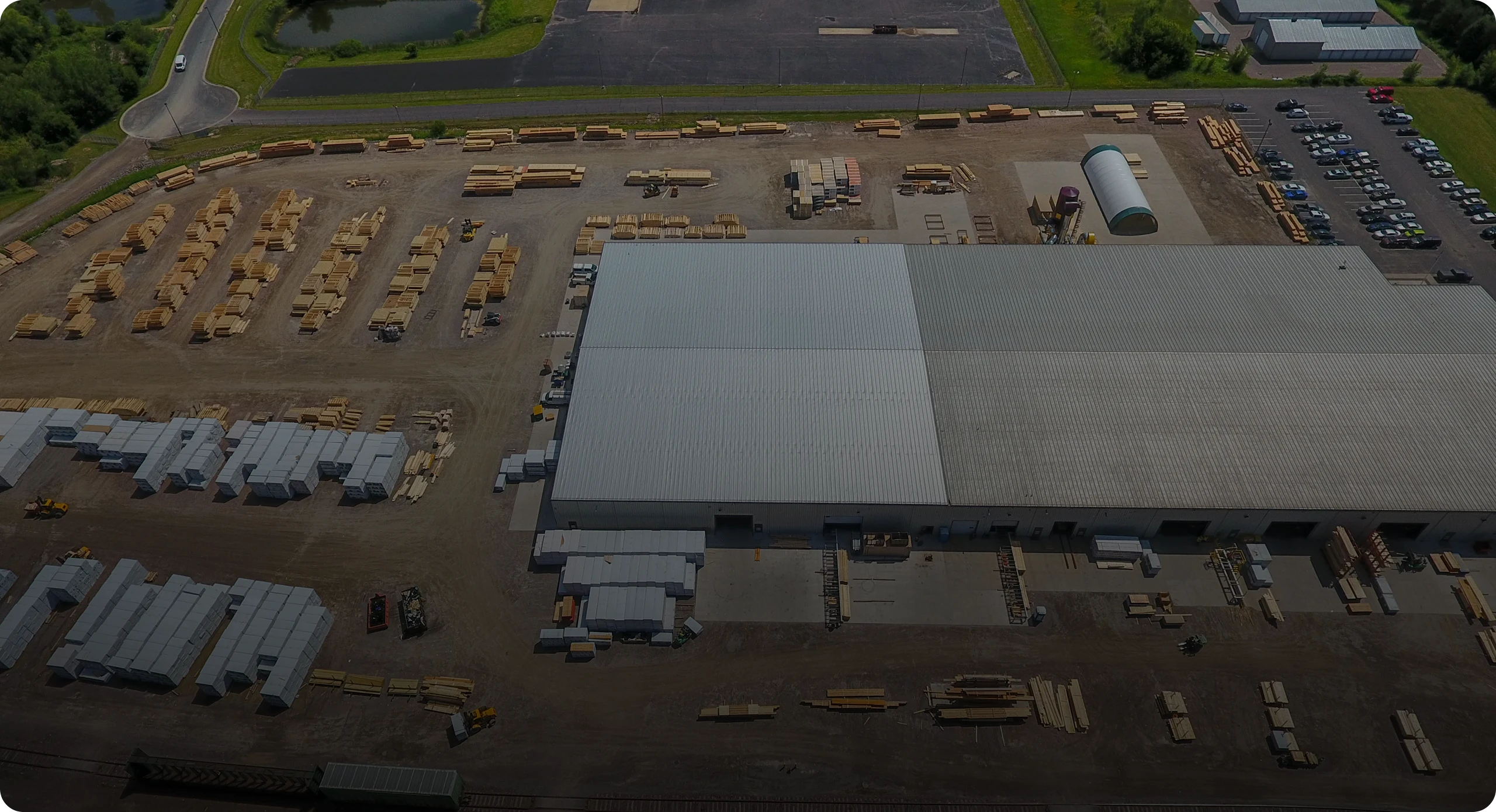
"We’ve done more maintenance than we’ve ever done before—with a significant cost reduction. This means we’ve been able to expand our profit margin."
Greg Wortman
Operations Manager, Redimix


MaintainX drives real results for modern operations
250h
Hours saved per year on average
38%
Decrease in MTTR (mean time to repair)
32%
Reduction in unplanned downtime
82%
Companies reported reduced safety risk
Browse all
Filter


No items found.
See what customers have to say
MaintainX has been one of the most helpful additions to our maintenance team.
Caleb
Maintenance Manager

MaintainX has given us insight into our team capacity and increased our throughput of jobs, all through this single program.
Gerry
Maintenance Manager
I was able to get a full maintenance schedule for the next 5 years, with over 100 assets, within a month.
Luke
Service Engineer
The ability to be so clearly organized has allowed us to move from reactive to preventive and take better care of our equipment.
Kristin
Assistant Director

Finally, a CMMS made for maintenance technicians. MaintainX is the first CMMS I have seen that feels like it was meant for the people.
Wade
Continuous Improvement Lean Leader
Compared to anything else I've used over the last 20 years, this is without a doubt the most powerful tool.
Timothy
Maintenance Supervisor
MaintainX is intuitive and easy to adopt, even for teams who aren’t tech-savvy. The mobile and desktop interfaces are straightforward and easy to use.
Todd E.
Maintenance Director
We use MaintainX to manage and maintain more than 50 critical assets, achieving significant improvements in machine uptime.
Jorge
General Manager
MaintainX allowed us to follow the trends and develop a maintenance plan to drastically reduce downtime.
Scott
Maintenance Superintendent
MaintainX has brought data to the table for the first time. We can actually evaluate the quality of our work and if we are fixing things right the first time.
Chad
Maintenance Manager
MaintainX is a must have. I have had nothing but good experiences with MaintainX over the past 2 years.
Erica
MRO Buyer Planner
MaintainX is a no brainer. The customer support, price, and functionality is second to none.
Andrew
Business Director
MaintainX is a game-changer. It's easy to send work orders to my team, record issues, and keep control of inventory.
Todd
Maintenance Supervisor
The platform's mobile maintenance and digital work orders have optimized workforce scheduling, reduced duplicate work, and automated monotonous tasks.
Tyler
Maintenance Technician
MaintainX AI excites us because it allows the guys to learn from manuals and resources that they need to read but never actually want to read.
Erin Dreeszen
Founder and owner of Autowash

Instead of spending an hour reading a manual, they punch some questions into the MaintainX AI tool, and you can cut down how long it takes to create a procedure or a work order by up to 90%.
Brett Pyper
Hudsonville’s maintenance planner
MaintainX has allowed us to hold a higher standard than before. We can keep track of all work and actually complete it, so it’s raised our standard quite a bit.
Richard McLamb
Senior Area Manager, Autowash
One of the regional managers told me that within the first two months of managing their maintenance program with MaintainX, he's already seen a dramatic improvement in their reliability.
Kieran Conroy
Managing Director, AEL
All I hear is how much easier, faster, and more user-friendly MaintainX is compared to what the teams did before.
Jorge Pinzon
Senior Reliability Manager, Titan America

Since having MaintainX, no machines have missed any work. Downtime has decreased massively!
Chris
Maintenance Engineer
MaintainX is user-friendly with very strong analytics to match.
Steven
Reliability Engineer
The AI tools for building preventive maintenance tasks are a game changer; this was a deciding factor for me.
Todd E
Maintenance Director

MaintainX is very intuitive, easy to work with, easy to implement, and easy to train the team on.
David
Maintenance Manager
MaintainX has been a game changer for me and my team, allowing us to keep up with work orders much easier and has made operations much more efficient.
Devon
Infrastructure and Security Specialist
The entire maintenance department uses MaintainX all day, every day.
Steven
Reliability Engineer
I chose MaintainX because it is the only CMMS that has a fully functioning app.
Ken
VP of Operations
MaintainX has been a game changer for us. It has cut down significant time for our teams in communication and status of repairs.
John
Director of Facilities
MaintainX is a no brainer. The app is a game changer for my onsite techs.
Andrew
Business Director
MaintainX is a brilliant software that makes plant and asset maintenance scheduling and monitoring a breeze.
Paul
Performance Excellence Manager
Since we started using MaintainX, we have completely done away with paper work orders.
Edward
Equipment Maintenance Manager
The meters feature has allowed us to track and monitor readings across our assets and facilities.
Sam
Senior Manager - Technical Services
MaintainX is the reason we have gone from an overall plant efficiency of 60% to over 95%.
Scott
Maintenance Superintendent
We are more organized with MaintainX and have the ability to predict machine failures which has reduced equipment downtime.
Jeremy
Senior Manager
We use MaintainX to manage and maintain more than 50 critical assets, achieving significant improvements in machine uptime and overall efficiency.
Jorge
General Manager
Effortless Work Order Management with Smart AI Insights
Verified User
Management Consulting
Implementation was smooth and support was outstanding
Todd E.
Maintenance Director
AI-Powered Platform That Streamlines Workorders Effortlessly
Mike C.
Maintenance Manager
Great integration team, super clean process
Verified G2 User
Excellent CMMS Software
Luke P.
Director of Facilities and Maintenance
MaintainX team is outstanding in implementing an asset maintenance schedule and inventory tracking!
Ray S.
Maintenance Manager
Excellent Maintenance Management Platform
Jeff G.
Facilities Manager
Simple, Painless way to track work orders and assets
Verified G2 User
Amazing implementation process
Scott E.
Fantastic usability for all levels of user ability, paired with functionality perfect for engineers
Hugh P.
Amazing Service and Platform
Jonathan P.
Real Estate Agent
Maintain X
Verified G2 User
A Premium CMMS Solution
Kevin J
Systems Analyst
This Software has Completely Changed our Department
Colton C.
Facilities Manager
Awesome Maintenance Software.
Jason A
Resort Maintenance Manager
Best maintenance solution I've come across to date!
Mike W
Director of Operations
RELIABLE TOOL.
Vasu T
Project Engineer
MaintainX = Accountability.
Ron W
Plant Manager

Awesome Product!
Albert R
Transportation Asset Manager

No more paperwork!
Austin P
Maintenance Manager
The Facility Managers Multi Tool.
Ron P
Director of Engineering
Powerful but light.
Robert G
Engineering Storeman
Better Than Any Other Work Order Software or Mobile App.
David H
IT Director
Zero to organized in 6 months.
Brent T
Fleet Manager
Great Program.
Tyler S
Asset Manager
Helpful in automating reports and expediting tasks.
Arwin T
Director of Hospitality
Excellent asset tracker!
Donald S
Building Materials
It is easy to understand for new users.
U.E.
Education Management
MaintainX is the best CMMS for the money.
Patrick M
Executive Director
The Best CMMS Out There
LHSUK
Maintenance
We recently had a BRC audit of our workshop and maintenance systems.
Shawn B
Engineering Supervisor
My Oldest Millwright Loves MaintainX
Markus Blaszak
Maintenance Director
Transformational
Nathaniel M.
Maintenance Specialist
Easy to Use for Everyone with Great Accountability!
Phillip S.
Facilities Manager
Our Team Has Been Much More Timely and Organized
Kasey B.
VP Environmental Operations
The Facility Manager's Multi-Tool
Ron P.
Director of Engineering
Supports our Maintenance Needs Perfectly
Rick T.
Director of Nursing
Great Functionality for a Great Price!
Marlaina L.
Education Management
Amazing Software
Tazman96
Maintenance Team Manager
Best Work Order App I’ve Used
Sam L.
Maintenance Manager
Great for Organization and Prioritizing
Manny B.
Maintenance Manager
Simple. Efficient.
A.K.
Facility Manager
Love the Work Requests
Ted O.
Maintenance Manager
MaintainX Does It Well and Easily
Norm H.
Executive Administrator
Best I Have Ever Used
Tazman96
Maintenance Manager
Love This App. Use Daily
Anne Butcher
Maintenance Technician
Makes My Life Easy.
Anna M
Property Manager
Great Work Order System
M. Savoy
Property Maintenance Manager
Best I Have Ever Used
Tazman96
Maintenance Team Manager
Great App for Service Work
Kelly A.
Maintenance Director
Recommend to Anyone
Sam L.
Plant Manager
Our Safety Director Loves It!
Gary W.
Maintenance Manager
Love the Forms and Checklists
A. C.
Safety Manager
Easiest App Our Company Has Used!
Hay B.
Maintenance Manager
Makes Life Easy
Running Navy 1991
Maintenance Technicians
Great for Communication
Mitch F.
Maintenance Director
No More Headaches
Carl C.
Maintenance Mechanic
Perfect Work Order App!
K. Paxton
Maintenance Manager
New Maintenance Department
B. Z.
Maintenance Worker
Went Digital In No Time
Nelson C.
VP Manufacturing
Great App! User Friendly
Phil S.
Owner
Great Inventory & Work Order App
R. Bryant
Manufacturing
Solid Application
L. Seabass
Maintenance Manager
Great App!
N.D
Mechanical Operator
Heads and Tails above the Rest
N. Hamel
Facility Manager
Great for Organizing
J. Avila
Facility Manager
MaintainX has been one of the most helpful additions to our maintenance team.
Caleb
Maintenance Manager
MaintainX has given us insight into our team capacity and increased our throughput of jobs, all through this single program.
Gerry
Maintenance Manager
I was able to get a full maintenance schedule for the next 5 years, with over 100 assets, within a month.
Luke
Service Engineer
The ability to be so clearly organized has allowed us to move from reactive to preventive and take better care of our equipment.
Kristin
Assistant Director
Finally, a CMMS made for maintenance technicians. MaintainX is the first CMMS I have seen that feels like it was meant for the people.
Wade
Continuous Improvement Lean Leader
Compared to anything else I've used over the last 20 years, this is without a doubt the most powerful tool.
Timothy
Maintenance Supervisor
MaintainX is intuitive and easy to adopt, even for teams who aren’t tech-savvy. The mobile and desktop interfaces are straightforward and easy to use.
Todd E.
Maintenance Director
We use MaintainX to manage and maintain more than 50 critical assets, achieving significant improvements in machine uptime.
Jorge
General Manager
MaintainX allowed us to follow the trends and develop a maintenance plan to drastically reduce downtime.
Scott
Maintenance Superintendent
MaintainX has brought data to the table for the first time. We can actually evaluate the quality of our work and if we are fixing things right the first time.
Chad
Maintenance Manager
MaintainX is a must have. I have had nothing but good experiences with MaintainX over the past 2 years.
Erica
MRO Buyer Planner
MaintainX is a no brainer. The customer support, price, and functionality is second to none.
Andrew
Business Director
MaintainX is a game-changer. It's easy to send work orders to my team, record issues, and keep control of inventory.
Todd
Maintenance Supervisor
The platform's mobile maintenance and digital work orders have optimized workforce scheduling, reduced duplicate work, and automated monotonous tasks.
Tyler
Maintenance Technician
MaintainX AI excites us because it allows the guys to learn from manuals and resources that they need to read but never actually want to read.
Erin Dreeszen
Founder and owner of Autowash
Instead of spending an hour reading a manual, they punch some questions into the MaintainX AI tool, and you can cut down how long it takes to create a procedure or a work order by up to 90%.
Brett Pyper
Hudsonville’s maintenance planner
MaintainX has allowed us to hold a higher standard than before. We can keep track of all work and actually complete it, so it’s raised our standard quite a bit.
Richard McLamb
Senior Area Manager, Autowash
One of the regional managers told me that within the first two months of managing their maintenance program with MaintainX, he's already seen a dramatic improvement in their reliability.
Kieran Conroy
Managing Director, AEL
All I hear is how much easier, faster, and more user-friendly MaintainX is compared to what the teams did before.
Jorge Pinzon
Senior Reliability Manager, Titan America
Since having MaintainX, no machines have missed any work. Downtime has decreased massively!
Chris
Maintenance Engineer
MaintainX is user-friendly with very strong analytics to match.
Steven
Reliability Engineer
The AI tools for building preventive maintenance tasks are a game changer; this was a deciding factor for me.
Todd E
Maintenance Director
MaintainX is very intuitive, easy to work with, easy to implement, and easy to train the team on.
David
Maintenance Manager
MaintainX has been a game changer for me and my team, allowing us to keep up with work orders much easier and has made operations much more efficient.
Devon
Infrastructure and Security Specialist
The entire maintenance department uses MaintainX all day, every day.
Steven
Reliability Engineer
I chose MaintainX because it is the only CMMS that has a fully functioning app.
Ken
VP of Operations
MaintainX has been a game changer for us. It has cut down significant time for our teams in communication and status of repairs.
John
Director of Facilities
MaintainX is a no brainer. The app is a game changer for my onsite techs.
Andrew
Business Director
MaintainX is a brilliant software that makes plant and asset maintenance scheduling and monitoring a breeze.
Paul
Performance Excellence Manager
Since we started using MaintainX, we have completely done away with paper work orders.
Edward
Equipment Maintenance Manager
The meters feature has allowed us to track and monitor readings across our assets and facilities.
Sam
Senior Manager - Technical Services
MaintainX is the reason we have gone from an overall plant efficiency of 60% to over 95%.
Scott
Maintenance Superintendent
We are more organized with MaintainX and have the ability to predict machine failures which has reduced equipment downtime.
Jeremy
Senior Manager
We use MaintainX to manage and maintain more than 50 critical assets, achieving significant improvements in machine uptime and overall efficiency.
Jorge
General Manager
Effortless Work Order Management with Smart AI Insights
Verified User
Management Consulting
Implementation was smooth and support was outstanding
Todd E.
Maintenance Director
AI-Powered Platform That Streamlines Workorders Effortlessly
Mike C.
Maintenance Manager
Great integration team, super clean process
Verified G2 User
Excellent CMMS Software
Luke P.
Director of Facilities and Maintenance
MaintainX team is outstanding in implementing an asset maintenance schedule and inventory tracking!
Ray S.
Maintenance Manager
Excellent Maintenance Management Platform
Jeff G.
Facilities Manager
Simple, Painless way to track work orders and assets
Verified G2 User
Amazing implementation process
Scott E.
Fantastic usability for all levels of user ability, paired with functionality perfect for engineers
Hugh P.
Amazing Service and Platform
Jonathan P.
Real Estate Agent
Maintain X
Verified G2 User
A Premium CMMS Solution
Kevin J
Systems Analyst
This Software has Completely Changed our Department
Colton C.
Facilities Manager
Awesome Maintenance Software.
Jason A
Resort Maintenance Manager
Best maintenance solution I've come across to date!
Mike W
Director of Operations
RELIABLE TOOL.
Vasu T
Project Engineer
MaintainX = Accountability.
Ron W
Plant Manager
Awesome Product!
Albert R
Transportation Asset Manager
No more paperwork!
Austin P
Maintenance Manager
The Facility Managers Multi Tool.
Ron P
Director of Engineering
Powerful but light.
Robert G
Engineering Storeman
Better Than Any Other Work Order Software or Mobile App.
David H
IT Director
Zero to organized in 6 months.
Brent T
Fleet Manager
Great Program.
Tyler S
Asset Manager
Helpful in automating reports and expediting tasks.
Arwin T
Director of Hospitality
Excellent asset tracker!
Donald S
Building Materials
It is easy to understand for new users.
U.E.
Education Management
MaintainX is the best CMMS for the money.
Patrick M
Executive Director
The Best CMMS Out There
LHSUK
Maintenance
We recently had a BRC audit of our workshop and maintenance systems.
Shawn B
Engineering Supervisor
My Oldest Millwright Loves MaintainX
Markus Blaszak
Maintenance Director
Transformational
Nathaniel M.
Maintenance Specialist
Easy to Use for Everyone with Great Accountability!
Phillip S.
Facilities Manager
Our Team Has Been Much More Timely and Organized
Kasey B.
VP Environmental Operations
The Facility Manager's Multi-Tool
Ron P.
Director of Engineering
Supports our Maintenance Needs Perfectly
Rick T.
Director of Nursing
Great Functionality for a Great Price!
Marlaina L.
Education Management
Amazing Software
Tazman96
Maintenance Team Manager
Best Work Order App I’ve Used
Sam L.
Maintenance Manager
Great for Organization and Prioritizing
Manny B.
Maintenance Manager
Simple. Efficient.
A.K.
Facility Manager
Love the Work Requests
Ted O.
Maintenance Manager
MaintainX Does It Well and Easily
Norm H.
Executive Administrator
Best I Have Ever Used
Tazman96
Maintenance Manager
Love This App. Use Daily
Anne Butcher
Maintenance Technician
Makes My Life Easy.
Anna M
Property Manager
Great Work Order System
M. Savoy
Property Maintenance Manager
Best I Have Ever Used
Tazman96
Maintenance Team Manager
Great App for Service Work
Kelly A.
Maintenance Director
Recommend to Anyone
Sam L.
Plant Manager
Our Safety Director Loves It!
Gary W.
Maintenance Manager
Love the Forms and Checklists
A. C.
Safety Manager
Easiest App Our Company Has Used!
Hay B.
Maintenance Manager
Makes Life Easy
Running Navy 1991
Maintenance Technicians
Great for Communication
Mitch F.
Maintenance Director
No More Headaches
Carl C.
Maintenance Mechanic
Perfect Work Order App!
K. Paxton
Maintenance Manager
New Maintenance Department
B. Z.
Maintenance Worker
Went Digital In No Time
Nelson C.
VP Manufacturing
Great App! User Friendly
Phil S.
Owner
Great Inventory & Work Order App
R. Bryant
Manufacturing
Solid Application
L. Seabass
Maintenance Manager
Great App!
N.D
Mechanical Operator
Heads and Tails above the Rest
N. Hamel
Facility Manager
Great for Organizing
J. Avila
Facility Manager
MaintainX has been one of the most helpful additions to our maintenance team.
Caleb
Maintenance Manager
MaintainX has given us insight into our team capacity and increased our throughput of jobs, all through this single program.
Gerry
Maintenance Manager
I was able to get a full maintenance schedule for the next 5 years, with over 100 assets, within a month.
Luke
Service Engineer
The ability to be so clearly organized has allowed us to move from reactive to preventive and take better care of our equipment.
Kristin
Assistant Director
Finally, a CMMS made for maintenance technicians. MaintainX is the first CMMS I have seen that feels like it was meant for the people.
Wade
Continuous Improvement Lean Leader
Compared to anything else I've used over the last 20 years, this is without a doubt the most powerful tool.
Timothy
Maintenance Supervisor
MaintainX is intuitive and easy to adopt, even for teams who aren’t tech-savvy. The mobile and desktop interfaces are straightforward and easy to use.
Todd E.
Maintenance Director
We use MaintainX to manage and maintain more than 50 critical assets, achieving significant improvements in machine uptime.
Jorge
General Manager
MaintainX allowed us to follow the trends and develop a maintenance plan to drastically reduce downtime.
Scott
Maintenance Superintendent
MaintainX has brought data to the table for the first time. We can actually evaluate the quality of our work and if we are fixing things right the first time.
Chad
Maintenance Manager
MaintainX is a must have. I have had nothing but good experiences with MaintainX over the past 2 years.
Erica
MRO Buyer Planner
MaintainX is a no brainer. The customer support, price, and functionality is second to none.
Andrew
Business Director
MaintainX is a game-changer. It's easy to send work orders to my team, record issues, and keep control of inventory.
Todd
Maintenance Supervisor
The platform's mobile maintenance and digital work orders have optimized workforce scheduling, reduced duplicate work, and automated monotonous tasks.
Tyler
Maintenance Technician
MaintainX AI excites us because it allows the guys to learn from manuals and resources that they need to read but never actually want to read.
Erin Dreeszen
Founder and owner of Autowash
Instead of spending an hour reading a manual, they punch some questions into the MaintainX AI tool, and you can cut down how long it takes to create a procedure or a work order by up to 90%.
Brett Pyper
Hudsonville’s maintenance planner
MaintainX has allowed us to hold a higher standard than before. We can keep track of all work and actually complete it, so it’s raised our standard quite a bit.
Richard McLamb
Senior Area Manager, Autowash
One of the regional managers told me that within the first two months of managing their maintenance program with MaintainX, he's already seen a dramatic improvement in their reliability.
Kieran Conroy
Managing Director, AEL
All I hear is how much easier, faster, and more user-friendly MaintainX is compared to what the teams did before.
Jorge Pinzon
Senior Reliability Manager, Titan America
Since having MaintainX, no machines have missed any work. Downtime has decreased massively!
Chris
Maintenance Engineer
MaintainX is user-friendly with very strong analytics to match.
Steven
Reliability Engineer
The AI tools for building preventive maintenance tasks are a game changer; this was a deciding factor for me.
Todd E
Maintenance Director
MaintainX is very intuitive, easy to work with, easy to implement, and easy to train the team on.
David
Maintenance Manager
MaintainX has been a game changer for me and my team, allowing us to keep up with work orders much easier and has made operations much more efficient.
Devon
Infrastructure and Security Specialist
The entire maintenance department uses MaintainX all day, every day.
Steven
Reliability Engineer
I chose MaintainX because it is the only CMMS that has a fully functioning app.
Ken
VP of Operations
MaintainX has been a game changer for us. It has cut down significant time for our teams in communication and status of repairs.
John
Director of Facilities
MaintainX is a no brainer. The app is a game changer for my onsite techs.
Andrew
Business Director
MaintainX is a brilliant software that makes plant and asset maintenance scheduling and monitoring a breeze.
Paul
Performance Excellence Manager
Since we started using MaintainX, we have completely done away with paper work orders.
Edward
Equipment Maintenance Manager
The meters feature has allowed us to track and monitor readings across our assets and facilities.
Sam
Senior Manager - Technical Services
MaintainX is the reason we have gone from an overall plant efficiency of 60% to over 95%.
Scott
Maintenance Superintendent
We are more organized with MaintainX and have the ability to predict machine failures which has reduced equipment downtime.
Jeremy
Senior Manager
We use MaintainX to manage and maintain more than 50 critical assets, achieving significant improvements in machine uptime and overall efficiency.
Jorge
General Manager
Effortless Work Order Management with Smart AI Insights
Verified User
Management Consulting
Implementation was smooth and support was outstanding
Todd E.
Maintenance Director
AI-Powered Platform That Streamlines Workorders Effortlessly
Mike C.
Maintenance Manager
Great integration team, super clean process
Verified G2 User
Excellent CMMS Software
Luke P.
Director of Facilities and Maintenance
MaintainX team is outstanding in implementing an asset maintenance schedule and inventory tracking!
Ray S.
Maintenance Manager
Excellent Maintenance Management Platform
Jeff G.
Facilities Manager
Simple, Painless way to track work orders and assets
Verified G2 User
Amazing implementation process
Scott E.
Fantastic usability for all levels of user ability, paired with functionality perfect for engineers
Hugh P.
Amazing Service and Platform
Jonathan P.
Real Estate Agent
Maintain X
Verified G2 User
A Premium CMMS Solution
Kevin J
Systems Analyst
This Software has Completely Changed our Department
Colton C.
Facilities Manager
Awesome Maintenance Software.
Jason A
Resort Maintenance Manager
Best maintenance solution I've come across to date!
Mike W
Director of Operations
RELIABLE TOOL.
Vasu T
Project Engineer
MaintainX = Accountability.
Ron W
Plant Manager
Awesome Product!
Albert R
Transportation Asset Manager
No more paperwork!
Austin P
Maintenance Manager
The Facility Managers Multi Tool.
Ron P
Director of Engineering
Powerful but light.
Robert G
Engineering Storeman
Better Than Any Other Work Order Software or Mobile App.
David H
IT Director
Zero to organized in 6 months.
Brent T
Fleet Manager
Great Program.
Tyler S
Asset Manager
Helpful in automating reports and expediting tasks.
Arwin T
Director of Hospitality
Excellent asset tracker!
Donald S
Building Materials
It is easy to understand for new users.
U.E.
Education Management
MaintainX is the best CMMS for the money.
Patrick M
Executive Director
The Best CMMS Out There
LHSUK
Maintenance
We recently had a BRC audit of our workshop and maintenance systems.
Shawn B
Engineering Supervisor
My Oldest Millwright Loves MaintainX
Markus Blaszak
Maintenance Director
Transformational
Nathaniel M.
Maintenance Specialist
Easy to Use for Everyone with Great Accountability!
Phillip S.
Facilities Manager
Our Team Has Been Much More Timely and Organized
Kasey B.
VP Environmental Operations
The Facility Manager's Multi-Tool
Ron P.
Director of Engineering
Supports our Maintenance Needs Perfectly
Rick T.
Director of Nursing
Great Functionality for a Great Price!
Marlaina L.
Education Management
Amazing Software
Tazman96
Maintenance Team Manager
Best Work Order App I’ve Used
Sam L.
Maintenance Manager
Great for Organization and Prioritizing
Manny B.
Maintenance Manager
Simple. Efficient.
A.K.
Facility Manager
Love the Work Requests
Ted O.
Maintenance Manager
MaintainX Does It Well and Easily
Norm H.
Executive Administrator
Best I Have Ever Used
Tazman96
Maintenance Manager
Love This App. Use Daily
Anne Butcher
Maintenance Technician
Makes My Life Easy.
Anna M
Property Manager
Great Work Order System
M. Savoy
Property Maintenance Manager
Best I Have Ever Used
Tazman96
Maintenance Team Manager
Great App for Service Work
Kelly A.
Maintenance Director
Recommend to Anyone
Sam L.
Plant Manager
Our Safety Director Loves It!
Gary W.
Maintenance Manager
Love the Forms and Checklists
A. C.
Safety Manager
Easiest App Our Company Has Used!
Hay B.
Maintenance Manager
Makes Life Easy
Running Navy 1991
Maintenance Technicians
Great for Communication
Mitch F.
Maintenance Director
No More Headaches
Carl C.
Maintenance Mechanic
Perfect Work Order App!
K. Paxton
Maintenance Manager
New Maintenance Department
B. Z.
Maintenance Worker
Went Digital In No Time
Nelson C.
VP Manufacturing
Great App! User Friendly
Phil S.
Owner
Great Inventory & Work Order App
R. Bryant
Manufacturing
Solid Application
L. Seabass
Maintenance Manager
Great App!
N.D
Mechanical Operator
Heads and Tails above the Rest
N. Hamel
Facility Manager
Great for Organizing
J. Avila
Facility Manager
MaintainX has been one of the most helpful additions to our maintenance team.
Caleb
Maintenance Manager
MaintainX has given us insight into our team capacity and increased our throughput of jobs, all through this single program.
Gerry
Maintenance Manager
I was able to get a full maintenance schedule for the next 5 years, with over 100 assets, within a month.
Luke
Service Engineer
The ability to be so clearly organized has allowed us to move from reactive to preventive and take better care of our equipment.
Kristin
Assistant Director
Finally, a CMMS made for maintenance technicians. MaintainX is the first CMMS I have seen that feels like it was meant for the people.
Wade
Continuous Improvement Lean Leader
Compared to anything else I've used over the last 20 years, this is without a doubt the most powerful tool.
Timothy
Maintenance Supervisor
MaintainX is intuitive and easy to adopt, even for teams who aren’t tech-savvy. The mobile and desktop interfaces are straightforward and easy to use.
Todd E.
Maintenance Director
We use MaintainX to manage and maintain more than 50 critical assets, achieving significant improvements in machine uptime.
Jorge
General Manager
MaintainX allowed us to follow the trends and develop a maintenance plan to drastically reduce downtime.
Scott
Maintenance Superintendent
MaintainX has brought data to the table for the first time. We can actually evaluate the quality of our work and if we are fixing things right the first time.
Chad
Maintenance Manager
MaintainX is a must have. I have had nothing but good experiences with MaintainX over the past 2 years.
Erica
MRO Buyer Planner
MaintainX is a no brainer. The customer support, price, and functionality is second to none.
Andrew
Business Director
MaintainX is a game-changer. It's easy to send work orders to my team, record issues, and keep control of inventory.
Todd
Maintenance Supervisor
The platform's mobile maintenance and digital work orders have optimized workforce scheduling, reduced duplicate work, and automated monotonous tasks.
Tyler
Maintenance Technician
MaintainX AI excites us because it allows the guys to learn from manuals and resources that they need to read but never actually want to read.
Erin Dreeszen
Founder and owner of Autowash
Instead of spending an hour reading a manual, they punch some questions into the MaintainX AI tool, and you can cut down how long it takes to create a procedure or a work order by up to 90%.
Brett Pyper
Hudsonville’s maintenance planner
MaintainX has allowed us to hold a higher standard than before. We can keep track of all work and actually complete it, so it’s raised our standard quite a bit.
Richard McLamb
Senior Area Manager, Autowash
One of the regional managers told me that within the first two months of managing their maintenance program with MaintainX, he's already seen a dramatic improvement in their reliability.
Kieran Conroy
Managing Director, AEL
All I hear is how much easier, faster, and more user-friendly MaintainX is compared to what the teams did before.
Jorge Pinzon
Senior Reliability Manager, Titan America
Since having MaintainX, no machines have missed any work. Downtime has decreased massively!
Chris
Maintenance Engineer
MaintainX is user-friendly with very strong analytics to match.
Steven
Reliability Engineer
The AI tools for building preventive maintenance tasks are a game changer; this was a deciding factor for me.
Todd E
Maintenance Director
MaintainX is very intuitive, easy to work with, easy to implement, and easy to train the team on.
David
Maintenance Manager
MaintainX has been a game changer for me and my team, allowing us to keep up with work orders much easier and has made operations much more efficient.
Devon
Infrastructure and Security Specialist
The entire maintenance department uses MaintainX all day, every day.
Steven
Reliability Engineer
I chose MaintainX because it is the only CMMS that has a fully functioning app.
Ken
VP of Operations
MaintainX has been a game changer for us. It has cut down significant time for our teams in communication and status of repairs.
John
Director of Facilities
MaintainX is a no brainer. The app is a game changer for my onsite techs.
Andrew
Business Director
MaintainX is a brilliant software that makes plant and asset maintenance scheduling and monitoring a breeze.
Paul
Performance Excellence Manager
Since we started using MaintainX, we have completely done away with paper work orders.
Edward
Equipment Maintenance Manager
The meters feature has allowed us to track and monitor readings across our assets and facilities.
Sam
Senior Manager - Technical Services
MaintainX is the reason we have gone from an overall plant efficiency of 60% to over 95%.
Scott
Maintenance Superintendent
We are more organized with MaintainX and have the ability to predict machine failures which has reduced equipment downtime.
Jeremy
Senior Manager
We use MaintainX to manage and maintain more than 50 critical assets, achieving significant improvements in machine uptime and overall efficiency.
Jorge
General Manager
Effortless Work Order Management with Smart AI Insights
Verified User
Management Consulting
Implementation was smooth and support was outstanding
Todd E.
Maintenance Director
AI-Powered Platform That Streamlines Workorders Effortlessly
Mike C.
Maintenance Manager
Great integration team, super clean process
Verified G2 User
Excellent CMMS Software
Luke P.
Director of Facilities and Maintenance
MaintainX team is outstanding in implementing an asset maintenance schedule and inventory tracking!
Ray S.
Maintenance Manager
Excellent Maintenance Management Platform
Jeff G.
Facilities Manager
Simple, Painless way to track work orders and assets
Verified G2 User
Amazing implementation process
Scott E.
Fantastic usability for all levels of user ability, paired with functionality perfect for engineers
Hugh P.
Amazing Service and Platform
Jonathan P.
Real Estate Agent
Maintain X
Verified G2 User
A Premium CMMS Solution
Kevin J
Systems Analyst
This Software has Completely Changed our Department
Colton C.
Facilities Manager
Awesome Maintenance Software.
Jason A
Resort Maintenance Manager
Best maintenance solution I've come across to date!
Mike W
Director of Operations
RELIABLE TOOL.
Vasu T
Project Engineer
MaintainX = Accountability.
Ron W
Plant Manager
Awesome Product!
Albert R
Transportation Asset Manager
No more paperwork!
Austin P
Maintenance Manager
The Facility Managers Multi Tool.
Ron P
Director of Engineering
Powerful but light.
Robert G
Engineering Storeman
Better Than Any Other Work Order Software or Mobile App.
David H
IT Director
Zero to organized in 6 months.
Brent T
Fleet Manager
Great Program.
Tyler S
Asset Manager
Helpful in automating reports and expediting tasks.
Arwin T
Director of Hospitality
Excellent asset tracker!
Donald S
Building Materials
It is easy to understand for new users.
U.E.
Education Management
MaintainX is the best CMMS for the money.
Patrick M
Executive Director
The Best CMMS Out There
LHSUK
Maintenance
We recently had a BRC audit of our workshop and maintenance systems.
Shawn B
Engineering Supervisor
My Oldest Millwright Loves MaintainX
Markus Blaszak
Maintenance Director
Transformational
Nathaniel M.
Maintenance Specialist
Easy to Use for Everyone with Great Accountability!
Phillip S.
Facilities Manager
Our Team Has Been Much More Timely and Organized
Kasey B.
VP Environmental Operations
The Facility Manager's Multi-Tool
Ron P.
Director of Engineering
Supports our Maintenance Needs Perfectly
Rick T.
Director of Nursing
Great Functionality for a Great Price!
Marlaina L.
Education Management
Amazing Software
Tazman96
Maintenance Team Manager
Best Work Order App I’ve Used
Sam L.
Maintenance Manager
Great for Organization and Prioritizing
Manny B.
Maintenance Manager
Simple. Efficient.
A.K.
Facility Manager
Love the Work Requests
Ted O.
Maintenance Manager
MaintainX Does It Well and Easily
Norm H.
Executive Administrator
Best I Have Ever Used
Tazman96
Maintenance Manager
Love This App. Use Daily
Anne Butcher
Maintenance Technician
Makes My Life Easy.
Anna M
Property Manager
Great Work Order System
M. Savoy
Property Maintenance Manager
Best I Have Ever Used
Tazman96
Maintenance Team Manager
Great App for Service Work
Kelly A.
Maintenance Director
Recommend to Anyone
Sam L.
Plant Manager
Our Safety Director Loves It!
Gary W.
Maintenance Manager
Love the Forms and Checklists
A. C.
Safety Manager
Easiest App Our Company Has Used!
Hay B.
Maintenance Manager
Makes Life Easy
Running Navy 1991
Maintenance Technicians
Great for Communication
Mitch F.
Maintenance Director
No More Headaches
Carl C.
Maintenance Mechanic
Perfect Work Order App!
K. Paxton
Maintenance Manager
New Maintenance Department
B. Z.
Maintenance Worker
Went Digital In No Time
Nelson C.
VP Manufacturing
Great App! User Friendly
Phil S.
Owner
Great Inventory & Work Order App
R. Bryant
Manufacturing
Solid Application
L. Seabass
Maintenance Manager
Great App!
N.D
Mechanical Operator
Heads and Tails above the Rest
N. Hamel
Facility Manager
Great for Organizing
J. Avila
Facility Manager