

Regular commercial roof inspections inform capital planning, protect warranties, and strengthen insurance claims. Standardizing inspections with a checklist gives you a consistent record of what was inspected, and when, replacing scattered observations with actionable asset intelligence.
Below, you’ll find a commercial roof inspection checklist template that can be tailored to your facility or portfolio of properties. We’ve also provided some general best practices for making inspections part of your ongoing preventive maintenance planning.
Key takeaways
- Tracking roof condition across quarterly or biannual inspection cycles reveals degradation patterns that justify capital expenditures with data rather than anecdotal repair requests.
- Post-weather inspections catch storm-related damage early, preventing the compounding deterioration that occurs when wind, hail, or freeze-thaw damage goes undetected until the next routine visit.
- Use severity ratings to keep maintenance teams focused on critical failures while preserving lower-priority observations for the trend analysis that drives capital planning decisions.
How to use this checklist
Customize for your facility
Commercial buildings vary significantly in roof type, equipment, and occupancy; consider this checklist a baseline that should be customized to your specifications.
Adjust inspection frequency based on roof age, climate exposure, and manufacturer warranty requirements. Manufacturing facilities with heavy rooftop HVAC loads need more frequent equipment mounting checks. Multi-tenant buildings require coordination for interior inspection access. Properties with frequent snow/hail storms, earthquakes, and hurricanes will require additional checks like hurricane ties, snow load indicators, or seismic bracing, as necessary.
Always be sure to take appropriate safety precautions when inspecting any roof: Wear PPE and make sure all employees have proper fall prevention training as required by OSHA or other regulatory bodies.
Use a CMMS
We strongly recommend using this roof inspection checklist with a computerized maintenance management system (CMMS). Especially if you have multiple sites/properties, a CMMS simplifies roof inspection management through digital checklists, photo documentation, and automatic work order generation.


Commercial roof inspection checklist
Pre-inspection safety and access
Roof surface and membrane
Drainage systems
Flashing and penetrations
Edge details and perimeter
Rooftop equipment and mounted systems
Interior and underside indicators
Documentation and compliance
This checklist is to be used only by those with appropriate training, expertise, and professional judgment. You are solely responsible for reviewing this checklist to ensure that it meets all professional standards and legal requirements, as well as your needs and intent.
How often should commercial roofs be inspected?
Most roofing manufacturers and industry groups recommend at least two inspections per year, typically in spring and fall. Seasonal checks catch damage from winter freeze-thaw cycles and summer UV exposure before small issues escalate.
Beyond scheduled inspections, experienced facility managers also inspect after severe weather events like hailstorms, high winds, or heavy snowfall. Properties in hurricane-prone or high-wind zones may need even more frequent checks.
The real value of a consistent inspection cadence goes beyond spotting leaks or damage. Each round of observations adds a data point to the roof's condition timeline. Over several cycles, patterns emerge: a drain that clogs every autumn, a membrane seam that creeps open each summer. That longitudinal view turns routine inspections into predictive intelligence, helping teams act before failures occur rather than reacting after them.
Turn inspection findings into prioritized work orders
A commercial roof inspection report only protects the building if someone acts on it. Too often, findings end up in a PDF attachment that sits unread in an inbox. A better approach ties each observation directly to a follow-up action with a clear severity rating.
Consider a simple three-tier system. Critical findings like active leaks or structural ponding water become emergency work orders. Moderate issues, such as cracked sealant or displaced flashing, get scheduled for repair within 30 days. Minor observations, including early granule loss or minor staining, enter a watch list for the next inspection cycle.
A severity-rated pipeline keeps teams focused on what matters most while preserving less urgent findings for trend tracking. Over time, a pattern of recurring moderate issues on one roof section can justify a capital repair before an emergency forces the decision.
Build a roof inspection history that justifies capital spending
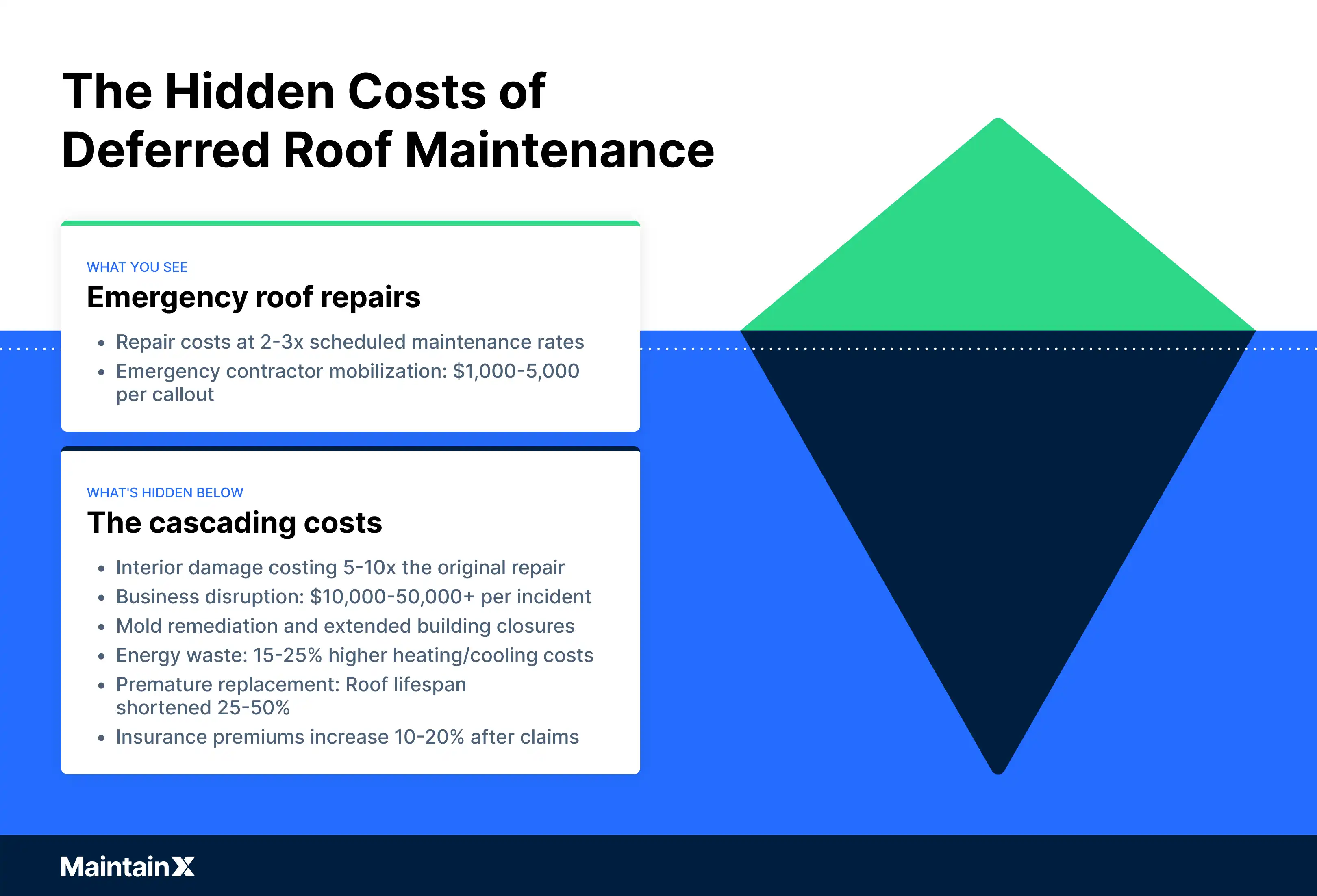
Capital expenditure requests for roof replacements or major expensive repairs rarely succeed on a single inspection report alone. Budget committees want evidence of a trend, not a snapshot.
A well-maintained inspection history provides exactly that. Documenting progressive membrane deterioration over eight quarters, for example, builds a compelling narrative that a one-time photo simply cannot. Timestamped records also strengthen warranty claims by proving damage wasn't caused by neglect, and support insurance filings by showing conditions before and after weather events.
For site managers in charge of multiple properties, consistent documentation across the portfolio reveals which roofs are aging fastest and where capital dollars will have the greatest impact. Roof management goes from reactive budget surprises to planned investments, giving finance teams the forecasting clarity they need to allocate funds confidently.
Standardize commercial roof inspections with a CMMS
When inspection practices vary from site to site, gaps appear. One property manager photographs every defect, while another jots notes on a clipboard that never get filed. Across a portfolio, these inconsistencies create blind spots in both compliance tracking and capital planning.
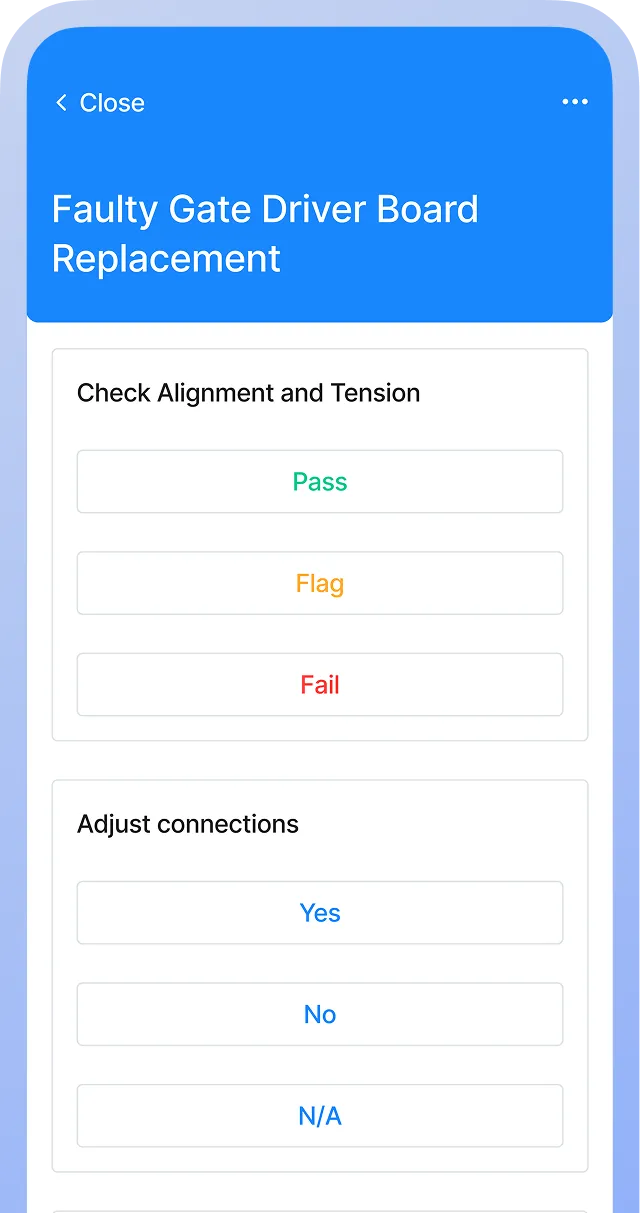
MaintainX brings every property onto the same framework. Digital checklists and inspections ensure inspectors evaluate the same components in the same order, while photo attachments and condition ratings capture findings in a searchable, time-stamped format.
Beyond standardization, the platform connects inspection data to work order workflows automatically. A flagged issue becomes an assigned task with a due date, not a forgotten line item. Over time, that centralized history across all sites gives facilities leaders a portfolio-wide view of roof health, turning scattered fieldwork into actionable asset intelligence.
See for yourself by booking a tour:
Commercial roof inspection checklist FAQs
How often should commercial roofs be inspected?
For most commercial properties, inspect roofs twice yearly, in spring and fall, to catch seasonal damage.
Add inspections after severe weather events. High-traffic roofs or those nearing warranty expiration benefit from quarterly reviews to document conditions and protect coverage. Scheduling follow-ups after inspections is important to ensure any identified issues have been addressed properly.
What does a commercial roof inspection include?
Commercial roof inspections should cover membrane integrity, drainage systems, flashing, penetrations, roof field, roof deck, seams, joints, and HVAC units, as well as structural elements.
Each component inspection should generate condition data that tracks deterioration patterns over time, helping you predict failures before they occur and prioritize maintenance investments.
Do I need a licensed professional to inspect my commercial roof?
Trained facility staff can perform routine inspections using standardized checklists. A professional roofing contractor is generally required for warranty compliance issues, insurance claims, and identifying underlying damage that may not be visible during routine inspections.
What is the 25% rule in commercial roofing?
The 25% rule states that when a commercial roof reaches 25% damage or deterioration, regularly assessing the roof's condition is essential to accurately document damage. At this threshold, repairs may void remaining warranty coverage. Replacement typically becomes more cost-effective than continued patching, making accurate damage documentation critical.
Failing to maintain a roof can void warranties and increase liability for property owners.
How long does a commercial roof inspection take?
Plan 30–90 minutes per roof, depending on size and complexity. Larger commercial buildings with multiple penetrations, equipment, and drainage zones require more time. Thorough documentation (photos, measurements, condition ratings) extends inspection duration but creates defensible records for warranty purposes.
What are the most common problems found during commercial roof inspections?
Common commercial roof problems include ponding water from clogged drains, membrane cracks or tears, and failed sealants around flashings, seams, and penetrations like HVAC units and vents. Interior signs, such as water stains, mold growth, or daylight visible through attic rafters, can also point to active infiltration that may not be obvious from the roof surface alone.
Minor issues like blocked gutters or small membrane cracks can escalate quickly into structural damage if left unaddressed, particularly after severe weather events. Documenting these findings consistently over time reveals deterioration patterns that inform capital planning and help teams prevent catastrophic failures before they occur.

The MaintainX team is made up of maintenance and manufacturing experts. They’re here to share industry knowledge, explain product features, and help workers get more done with MaintainX!




.webp)