

A structured approach to apartment maintenance is one of the single most important ways to ensure renter safety and satisfaction.
This apartment maintenance checklist provides in-depth guidance on essential maintenance tasks and organizes requirements into unit, building, and portfolio tiers to help you clarify ownership. As part of a broader maintenance program, it can also help you schedule routine upkeep around turnover cycles to drive resident retention.
Key takeaways
- Regular apartment maintenance at the unit, building, and portfolio levels streamlines inspection and maintenance workflows, and supports compliance with local rental codes.
- Preventive maintenance helps property managers avoid emergency failures during high-occupancy periods when downtime disrupts residents and strains maintenance capacity.
- Storing your apartment maintenance checklist in a CMMS helps apartment maintenance teams document turnover inspections and create audit-ready records that protect against regulatory exposure.
How to use this checklist
Customize for your facility
This apartment maintenance checklist are meant to offer baseline advice for most multi-tenant buildings. You’ll want to adjust it to the preventative maintenance needs of your property.
Adapt inspection frequencies and maintenance schedules based on property age, unit count, and local regulations. For instance, pre-1978 buildings typically require lead-safe work practices for paint repairs. Properties in seismic zones need water heater strapping verification due to the risk of earthquakes. High-turnover properties benefit from more frequent unit interior inspections because of the volume of tenants.
Use a CMMS
Upload this property maintenance checklist to a computerized maintenance management system (CMMS) to enable automatic scheduling, mobile photo documentation, and complete audit trails for compliance reporting.
By using a CMMS, property management team owners can access checklists from any unit, attach findings directly to work orders, and track maintenance task completion across properties. Digital records also simplify lease renewal walks, fair housing compliance, and capital planning by providing searchable histories of unit conditions.


Apartment maintenance checklist
Unit interior and appliances
Unit turnover preparation
Plumbing and water systems
HVAC and ventilation
Electrical and lighting
Safety and fire protection
Common areas and exterior
Documentation and compliance
This checklist is to be used only by those with appropriate training, expertise, and professional judgment. You are solely responsible for reviewing this checklist to ensure that it meets all professional standards and legal requirements, as well as your needs and intent.
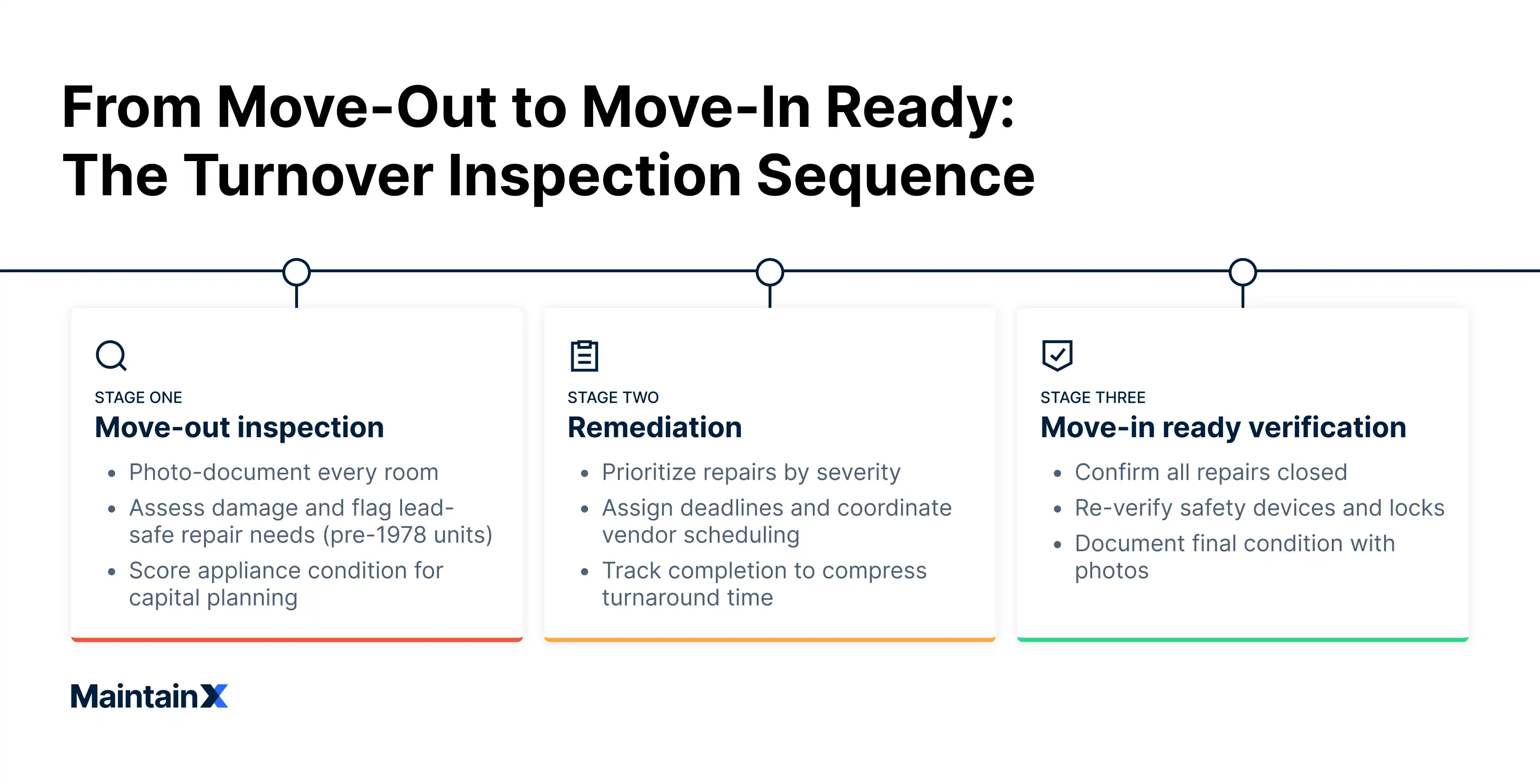
Unit turnover inspection workflow: Move-out to move-in ready
Turnover is the highest-stakes window in apartment maintenance. Every day a unit sits vacant costs money, and every missed defect risks a potential new resident's first impression.
Effective property maintenance teams divide turnover into three distinct phases. The move-out inspection documents existing damage, captures meter readings, and flags compliance items like smoke detector function and lead paint condition. Remediation follows with prioritized repairs, from safety-critical fixes down to cosmetic refreshes. The move-in readiness check then confirms everything meets habitability standards before a new lease begins.
This phased approach creates documented evidence of unit condition that protects against deposit disputes and liability claims. Teams that treat turnover as a structured workflow rather than a scramble tend to cut vacancy time while catching problems that would otherwise snowball into costly work orders weeks later.
How effective maintenance teams prevent single-unit issues from becoming building-wide failures
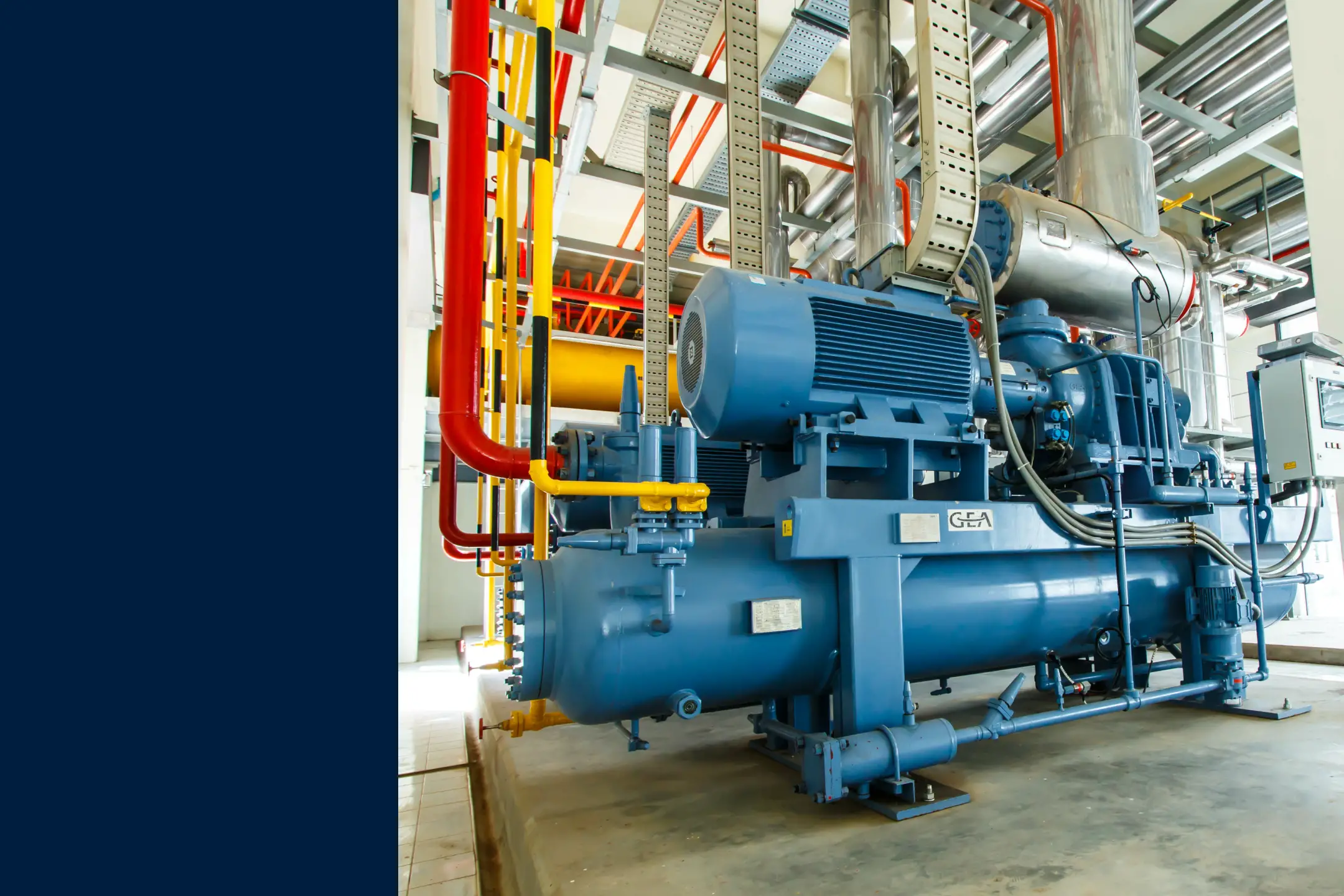
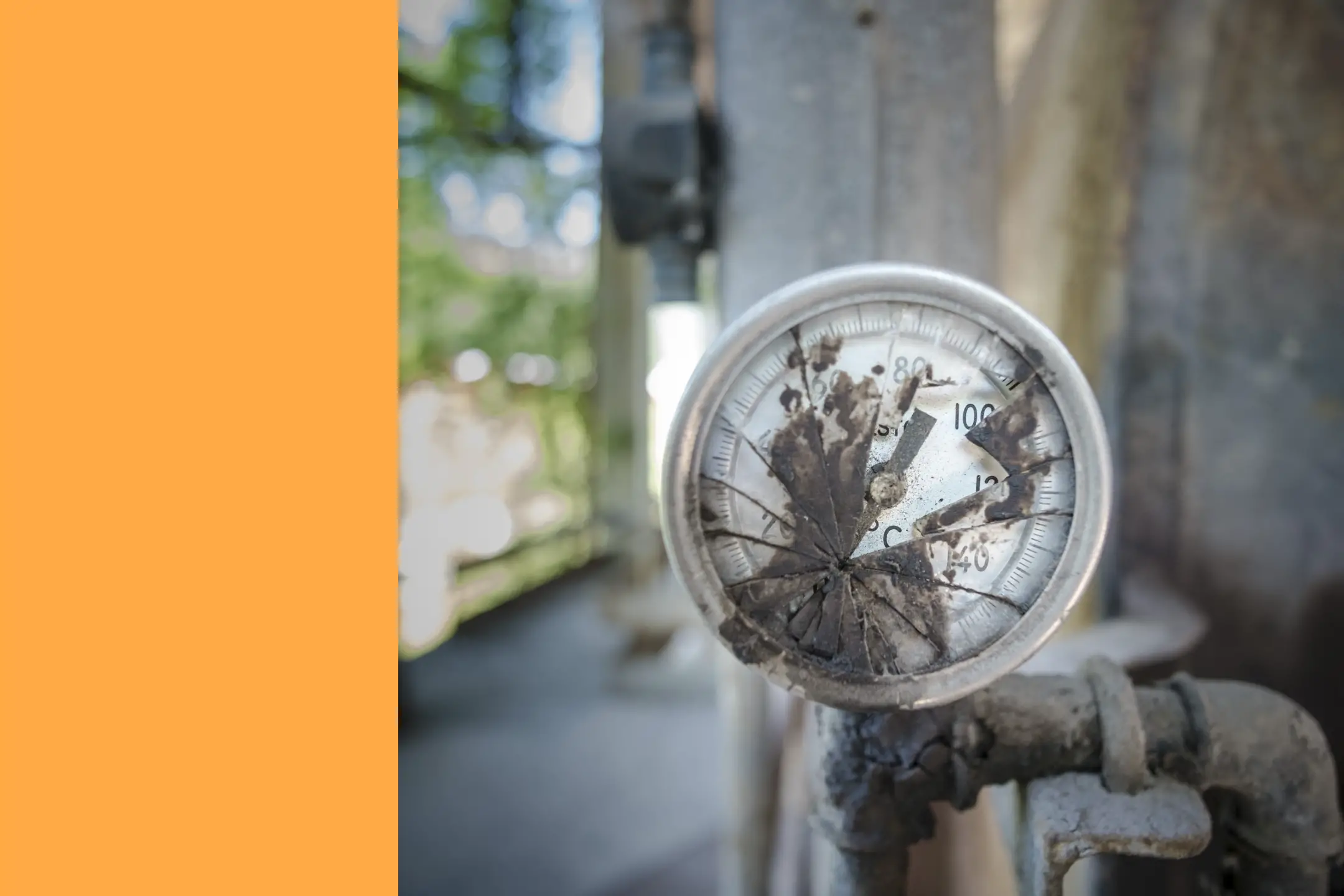
A slow leak under a kitchen sink might seem minor. But left unchecked, that moisture migrates through shared walls, feeds mold growth in adjacent units, and eventually compromises building envelope integrity. What would have been a $150 repair can quickly become a five-figure remediation project.
Experienced property managers think in terms of building systems, not isolated units. A clogged HVAC filter in one unit restricts airflow across the entire branch duct. A faulty electrical outlet might signal wiring degradation on the whole circuit rather than typical wear and tear.
Routine unit-level inspections serve as an early warning sign for building-wide health. Tracking recurring maintenance issues across multiple units often reveals shared root causes, like aging supply lines or undersized electrical panels. Catching these patterns early keeps small problems from multiplying across the tenant base.
Manage maintenance issues with a CMMS
Paper checklists and inspections struggle to keep up with complex unit, building, and portfolio-wide maintenance requirements. These manual approaches are time-consuming and scattered, making it difficult to notice when issues become wider patterns in need of urgent attention.
MaintainX gives rental property maintenance teams a centralized way to assign unit-level work orders, track building system inspection schedules, and store documentation in one place. Turnover workflows become repeatable templates rather than reinvented checklists. Recurring tasks like fire extinguisher inspections or EPA lead paint disclosures attach directly to the relevant asset and unit.
With maintenance data living in a single central system, teams can spot trends across units, like rising HVAC complaints on one floor, and respond proactively before problems escalate.
See how MaintainX does it by booking a tour today.
Apartment maintenance checklist FAQs
How often should apartment maintenance inspections be conducted?
Inspection frequency varies by tier:
- Unit-level items like HVAC filters require monthly maintenance checks
- Building systems like plumbing and fire safety systems need quarterly reviews
- Compliance inspections follow local regulatory schedules
Additionally, turnover events demand complete walkthroughs documenting the unit’s condition before and after each tenant transition.
What are the legal requirements for apartment maintenance inspections?
Requirements vary by jurisdiction but typically include HUD habitability standards, EPA lead paint disclosures for pre-1978 units, NFPA fire safety inspections, and local housing codes. Property managers must familiarize themselves with the full slate of local requirements, and maintain documented proof of compliance to protect against liability claims.
What should be included in a preventive maintenance checklist for apartments?
The checklist should cover three tiers: unit-level items like plumbing fixtures and HVAC filters, building systems including elevators and roofing, and compliance requirements such as fire safety equipment.
During inspections, use a checklist to make note of and prioritize cross-unit dependencies like neglected leaks or HVAC issues that can cascade across adjacent spaces.
Who is responsible for apartment maintenance tasks: landlord or tenant?
Landlords handle structural repairs, building systems, and major appliances while tenants typically manage routine upkeep and damage caused by misuse. State laws and lease agreements define specific responsibilities.
What safety standards must maintenance workers follow in apartment buildings?
Maintenance staff follow OSHA standards for confined spaces, electrical work, and hazardous materials. Apartment-specific considerations include respecting tenant privacy, securing work areas in occupied buildings, and coordinating access during emergencies while maintaining fire egress routes.
Note: This is a general informational summary only and does not constitute legal, regulatory, or compliance advice. Consult a compliance expert or legal counsel to determine the specific obligations applicable to your jurisdiction and equipment.
What maintenance records should property managers keep for apartments?
Maintain records across all tiers:
- Unit turnover inspections with photo documentation
- Building system service logs
- Compliance certifications for fire and lead paint
Document work orders with completion dates and vendor contracts.Organized records protect against liability and simplify audits.

The MaintainX team is made up of maintenance and manufacturing experts. They’re here to share industry knowledge, explain product features, and help workers get more done with MaintainX!

.webp)