

Routine equipment inspections catch problems before they become expensive breakdowns, but only when inspectors know what to look for and how to act on findings.
This guide covers how to recognize failure modes, how to prioritize risk, and how to connect inspection results to work orders and preventive maintenance schedules. It also includes a downloadable checklist you can use in your facility.
Key takeaways
- Focus on failure indicators rather than checkbox completion; recognizing what belt misalignment or fluid discoloration reveals about equipment health helps teams catch problems before they escalate.
- Daily attention should go to important early-warning checks like hydraulic leaks, while stable systems can follow weekly cycles.
- Use a CMMS to simplify checklist completion and flag recurring issues across equipment fleets.
How to use this checklist
Customize for your facility
This checklist covers equipment common across manufacturing, warehousing, and distribution environments. Select the categories relevant to your operation and remove items for equipment you don't have.
You’ll also want to adjust inspection frequencies based on usage intensity and criticality. Forklifts in constant use warrant daily checks, while overhead cranes may need weekly attention. Increase frequency or add additional checks where local regulations or manufacturer requirements exceed these general guidelines.
Use a CMMS
Printed out PDFs make inspections simple; digital systems make them smart. A computerized maintenance management system (CMMS) creates an audit trail that regulators expect while making it easy to spot recurring deficiencies.
Digital checklists also enable scheduling maintenance based on equipment runtime or calendar intervals, ensuring nothing gets missed during busy periods.


Equipment inspection checklist
Powered industrial trucks
Lifting and material handling equipment
Machine systems and guarding
Hydraulic and pneumatic systems
Electrical systems and controls
Compressed air and lubrication
Safety and emergency equipment
Facility infrastructure
Documentation and compliance
This checklist is to be used only by those with appropriate training, expertise, and professional judgment. You are solely responsible for reviewing this checklist to ensure that it meets all professional standards and legal requirements, as well as your needs and intent.
How to determine optimal inspection frequency for different equipment types
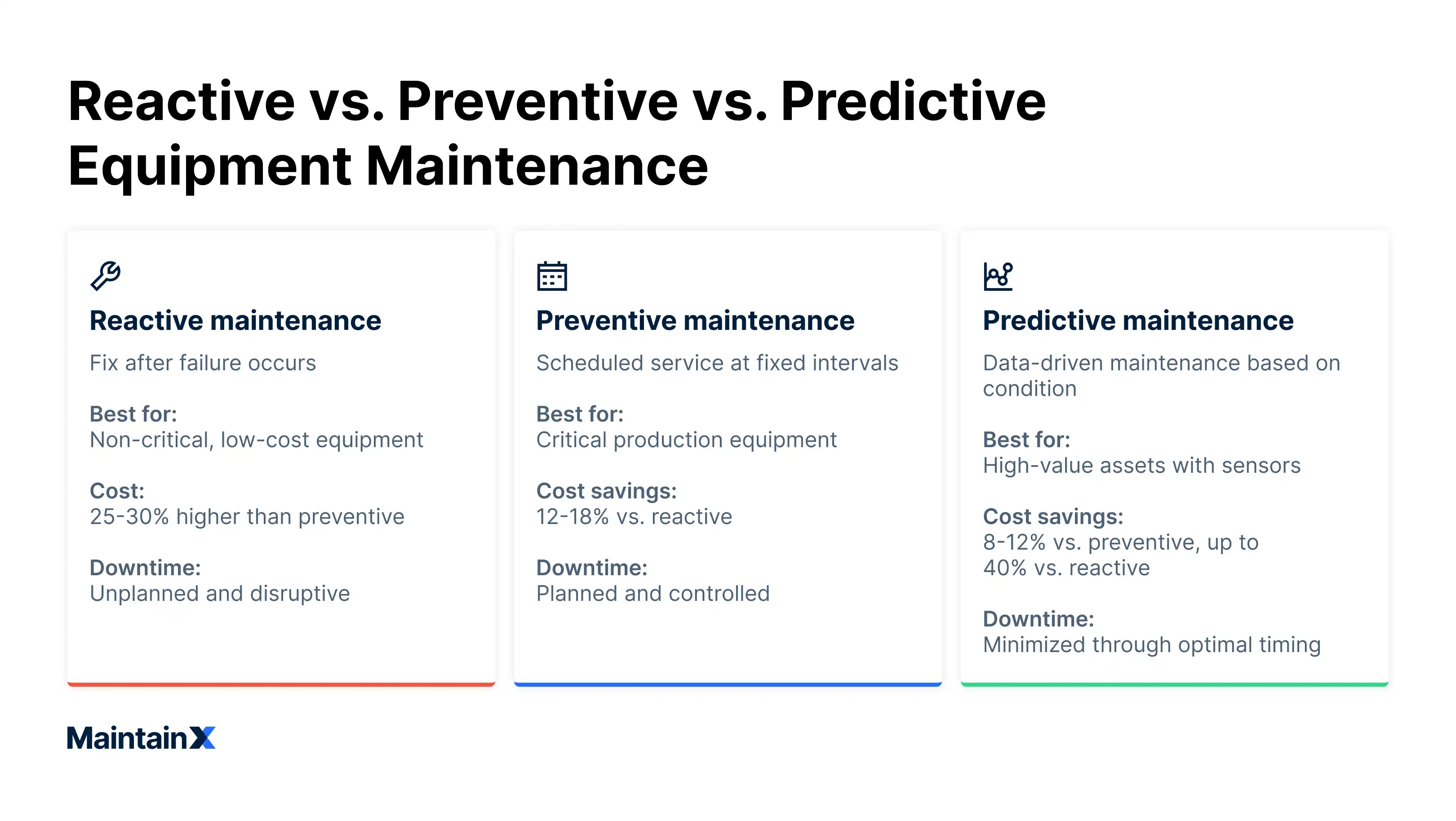
Equipment criticality and failure patterns should drive inspection schedules, not arbitrary calendar intervals. A compressor supporting a production line warrants daily checks, while a backup generator might need only weekly attention.
Effective frequency decisions weigh three factors: failure consequence, degradation speed, and historical reliability data. Assets with sudden failure modes (electrical components) benefit from condition monitoring, while those with gradual degradation (belts, bearings) respond well to scheduled visual inspections.
Many facilities find value in tiered approaches. Important assets get daily walkthroughs focused on early-warning indicators like unusual sounds or temperature changes. Secondary equipment receives weekly or monthly inspections. Risk-based prioritization helps teams focus their efforts on maximizing uptime and preventing the costliest breakdowns.
The cost of inconsistent inspection programs
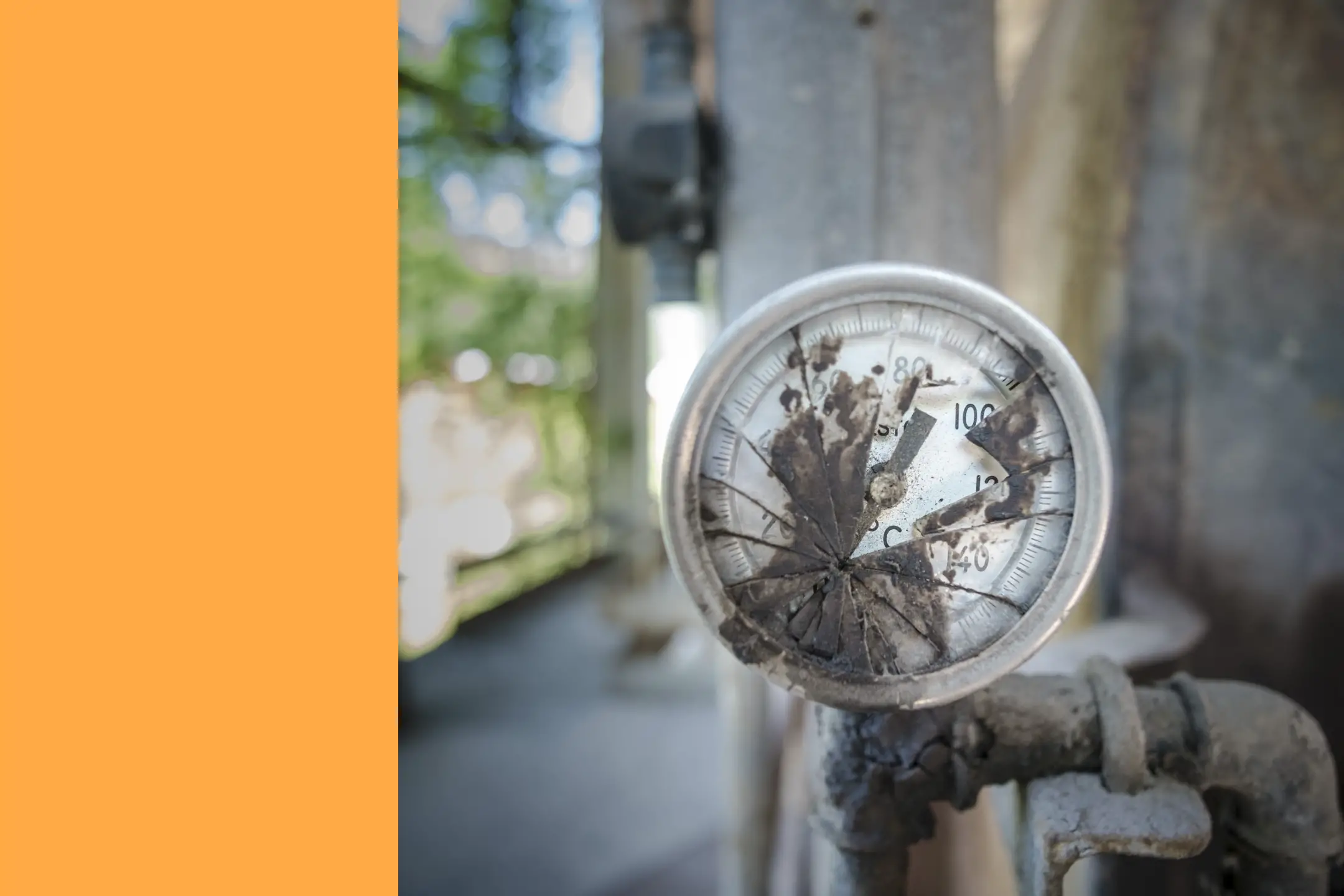
Inconsistent inspection programs create expenses that extend far beyond repair bills. When technicians rush through checklists without understanding what they're looking for, early warning signs go unnoticed. A slight vibration becomes a seized bearing. Discolored hydraulic fluid turns into a failed pump. This leads to unexpected equipment downtime that halts production and erodes the productivity gains your operation depends on.
The financial impact compounds quickly. Emergency repairs typically cost three to five times more than planned maintenance, but the real damage comes from cascading effects. When critical equipment fails unexpectedly, production lines stop, delivery commitments slip, and customer relationships suffer, all while you're paying premium rates for overtime labor and rush shipping. Parts that normally arrive in days now require expedited freight at 2-3x the cost, and suppliers often charge restocking fees or price premiums for priority fulfillment, turning a $500 part into a $2,000 line item.
There's also a hidden cost in lost institutional knowledge. Paper-based or checkbox-focused programs capture whether something was inspected, not what was observed. Without documented defect trends, maintenance teams lose the ability to predict failures and adjust strategies before problems escalate.
Moving beyond paper: What to look for in digital inspection tools
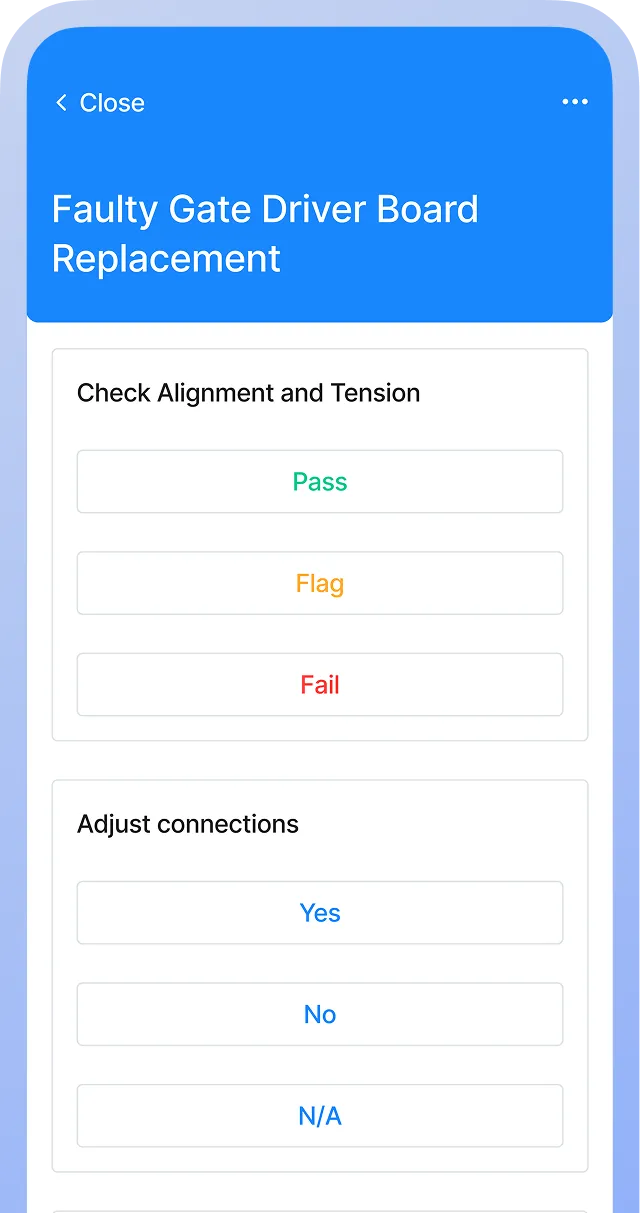
Paper checklists capture completion status while digital tools capture context. When evaluating inspection software, consider how they connect observations to action: Does it link out to existing SOPs? Can it generate repair orders automatically?
Mobile-friendly photo documentation is especially valuable. Technicians can attach images of belt wear or fluid discoloration, transforming subjective assessments into trackable trends.
Look for platforms that link inspection findings directly to work order systems. When a technician flags abnormal pump noise, the tool should enable immediate escalation with relevant details attached. Conditional logic also helps guide less experienced team members toward appropriate responses based on what they observe.
For example, if a technician reports cavitation noise, the system can automatically prompt them to check discharge and suction pressure, then generate a pre-filled work order and link to the relevant troubleshooting SOP.
Simplify inspections with MaintainX
Mobile access changes how inspection data flows through maintenance operations. Technicians document findings at the asset instead of transcribing notes later. Photos, measurements, and observations enter the system in real time.
MaintainX connects checklists and inspections to the broader maintenance ecosystem. When a technician identifies a problem, they can generate a work order from the same screen. Severity classifications route urgent issues to the right people immediately. Historical inspection data appears alongside the asset record, giving context for every observation.
See it for yourself by booking a demo today.
Equipment Inspection Checklist FAQs
How often should equipment inspections be performed?
Inspection frequency depends on equipment criticality and failure risk. Customizing inspection checklists for each equipment type is important to ensure all unique components, such as hydraulics, undercarriage, booms, and safety systems, are included. Forklifts need daily pre-operational checks; production machinery typically requires weekly inspections.
Start with the manufacturer’s guidelines, as they will provide valuable insights for customizing inspection checklists to ensure compliance with recommended procedures. Then, account for operational factors such as terrain, weather, and usage patterns, as these can significantly influence maintenance needs, safety inspections, and risk assessments.
Creating an effective equipment inspection checklist involves identifying all machines and vehicles in the fleet. Inventory your excavators, loaders, dump trucks, bulldozers, and every other piece of equipment, and create tailored checklists for each piece. Define inspection frequencies for each machine based on manufacturer recommendations, equipment age, usage intensity, and past breakdown frequency.
What are the legal requirements for equipment inspection documentation?
Requirements vary by industry and jurisdiction. OSHA typically mandates inspection records for powered industrial trucks, cranes, and pressure vessels. Most regulations require logging inspection dates, findings, corrective actions, and inspector identification.
It is important to document each inspection and verify the validity of documentation, such as current registration, insurance, or inspection stickers for the equipment. Checklists should allow for comments and documentation of required repairs.
Retain records for three months minimum, as this is typically required to demonstrate compliance and accountability.
Who is qualified to perform equipment inspections?
Qualifications depend on equipment complexity. Operators can handle daily pre-operational checks after training on failure indicators. Certified technicians should inspect complex equipment like boilers, cranes, and electrical systems.
A well-coordinated team, led by qualified personnel, is essential for effective inspections and accountability. The key: inspectors must recognize early warning signs, not just check boxes. Using digital checklists helps the team maintain accountability and streamline the inspection process.
What should I do if equipment fails an inspection?
Equipment failures or major hazards should trigger immediate action. Identified issues during inspections often lead to repairs, which must be documented and addressed before equipment is returned to service. Performance issues need a work order prioritized by downtime risk. Minor wear can continue with scheduled follow-up, provided it does not constitute a safety defect.
Digital inspection checklists can automate the defect response process by instantly generating work orders when issues are flagged.
How can I standardize equipment inspections across multiple locations?
A CMMS centralizes inspection checklists and templates so every location follows identical protocols. MaintainX provides real-time manager notifications for missed inspections and offers searchable, timestamped, and GPS-tagged records, improving audit readiness for your entire fleet.
What's the difference between pre-operational and periodic inspections?
Pre-operational inspections happen before each shift, checking safety basics like fluid levels, warning lights, and visible damage.
A walk-around should be performed before powering up equipment to identify obvious hazards and potential issues. Inspections should include checking for cracks, dents, excessive wear, hoses, fittings, hydraulic fluid, coolant, exhaust system, lines, and tread depth. It is also important to check emergency stop mechanisms, emergency brakes, and headlights for safe operation.
Operational tests during inspections should check for unusual sounds, vibrations, or heat. Visual and operational checks should have pass/fail/comment options to document inspection outcomes.
Daily pre-shift inspections should take 5-10 minutes per machine and include a walk-around visual check for leaks and damage, covering items such as brakes, tires, fluids, and hydraulics.
Periodic inspections occur at set intervals and examine wear patterns and emerging failure modes more closely. These should be conducted weekly or monthly to catch gradual wear patterns before they become failures.
Periodic inspection checklists should cover all critical components, including brakes, tires, lights, hydraulics, and safety features, and should prioritize items that pose significant safety risks, such as worn tires, faulty brakes, or leaking fluids.

The MaintainX team is made up of maintenance and manufacturing experts. They’re here to share industry knowledge, explain product features, and help workers get more done with MaintainX!

.webp)