
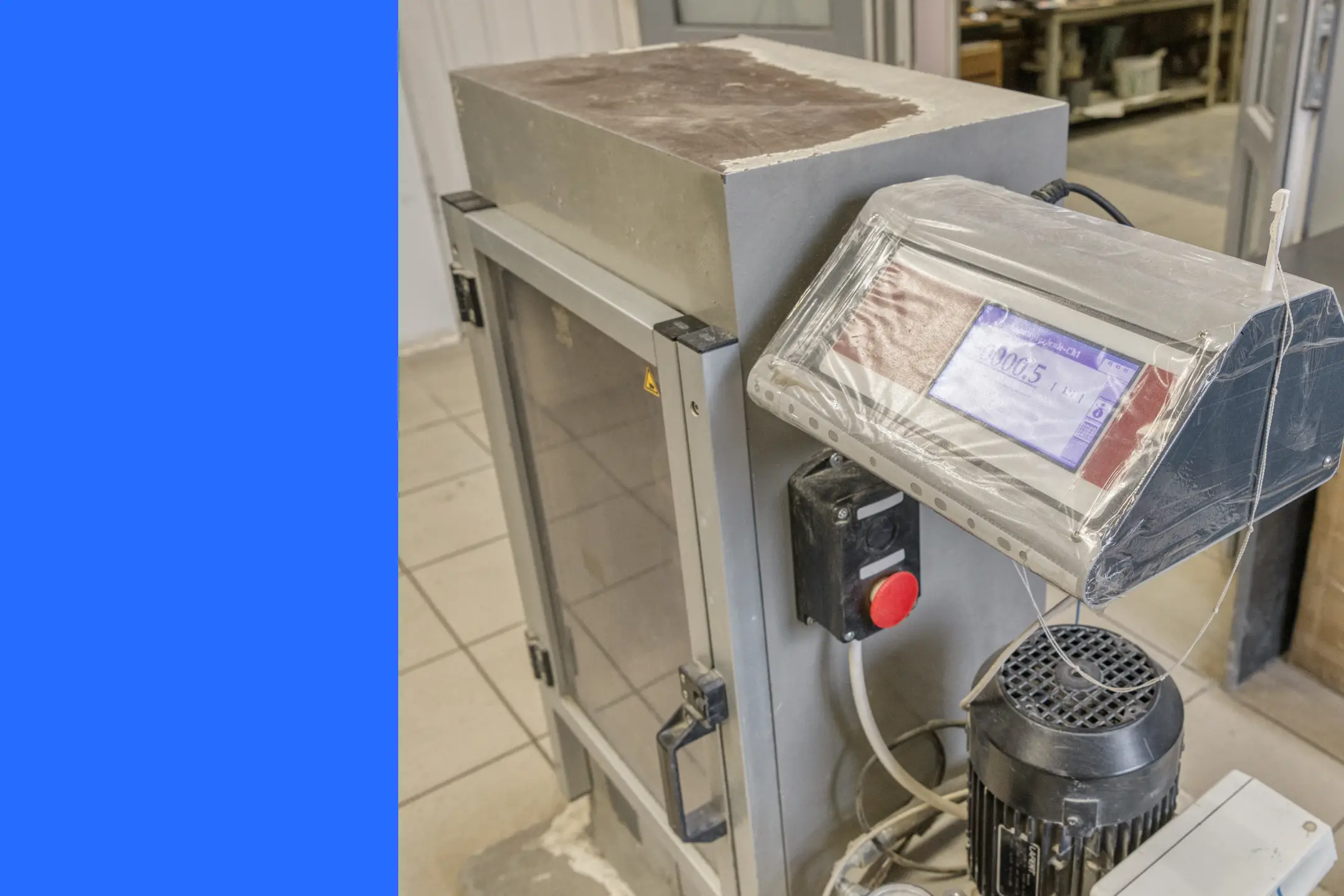
Preventive maintenance is a proactive approach that ensures equipment and machinery are in good condition, reducing the likelihood of unexpected breakdowns and expensive repair costs. Preventive maintenance (PM) is a type of regular maintenance that involves scheduled inspections, cleaning, lubrication, and replacing worn-out parts to keep the equipment functioning optimally. Better yet, preventive maintenance boosts equipment performance across the board. By ensuring that technicians properly lubricate and adjust equipment, it runs more efficiently, reducing energy consumption and improving productivity.
Key takeaways
- Preventive maintenance is a proactive strategy that reduces unplanned downtime, directly boosting your facility's production capacity.
- Starting a consistent preventive maintenance program lowers overall maintenance costs by catching potential issues before they become expensive, large-scale failures.
- Regularly scheduled maintenance extends the useful life of your critical assets, improving the return on your capital investments and delaying costly replacements.
- Using a modern computerized maintenance management system (CMMS) to manage your preventive maintenance tasks provides the data needed to track performance, show value, and justify maintenance budgets to leadership.
Why should you do preventive maintenance?
Preventive maintenance prevents costly equipment failures that halt production and drain budgets. This proactive maintenance strategy keeps your assets running reliably by addressing small issues before they become major problems.
PM reduces unplanned downtime by scheduling maintenance at regular intervals. Industrial companies, like Titan America, can achieve a 30% reduction in unplanned maintenance after implementing a preventive maintenance program. When maintenance teams perform PM consistently, it helps organizations minimize expenses and enhance asset reliability.
Maintenance teams perform PM tasks regularly to prevent equipment failure or malfunctioning. Teams perform PMs throughout an asset's normal operating life. Operations and maintenance managers schedule PM tasks according to manufacturer recommendations, average asset life cycles, or historical behavior patterns.

The U.S. Department of Energy estimates that PM saves facilities up to 18% more in maintenance costs than reactive maintenance alone. For a typical manufacturing facility spending $500,000 annually on maintenance, this translates to $90,000 in cost savings.
Planned maintenance programs have also been shown to lead to a tenfold increase in return on investment (ROI), a 70%-75% decrease in breakdowns, and a 35%-45% reduction in downtime, according to Forbes
Six simple reasons to use preventive maintenance
As a manufacturer, the best facilities management plan uses preventive maintenance to keep equipment running optimally. Here are a few of the biggest preventive maintenance benefits:
1. Reduced downtime
Companies cannot afford to overlook the impact of equipment downtime and production disruptions on profitability. Unexpected downtime forces maintenance personnel to divert their focus from preventive maintenance activities to reactive maintenance. Unfortunately, reactive maintenance is often more expensive than preventive maintenance.
Unplanned maintenance often means waiting for parts or outside maintenance technicians. For a maintenance manager at a food processing facility, a single conveyor belt failure during peak season costs thousands of dollars per hour in lost production.
2. Enhanced safety
Check your assets regularly, and you'll catch dangerous problems before they happen. Following preventive maintenance schedules reduces the risk of unexpected breakdowns, health hazards, and liability lawsuits. Regular preventive maintenance also improves safety by identifying potential hazards before they become a risk.
For example, regular inspection of electrical equipment helps identify frayed wires or damaged insulation, which become dangerous if maintenance teams don't address them. In manufacturing facilities, preventive maintenance checklists ensure critical safety systems remain operational.
3. Equipment longevity
PM schedules keep your equipment running exactly how the manufacturer intended. As technicians update poorly performing parts, assets perform at a steady level of productivity throughout the year. This reduces the frequency of capital expenditures needed to purchase new equipment.
Companies like Wauseon Machine can save $60,000 annually by extending equipment life through their preventive maintenance program. Preventive maintenance plans significantly increase the useful life of your equipment.
4. Increased productivity and efficiency
As reported by Deloitte, inadequate maintenance strategies reduce an organization's production capacity by 20%. Today's PM software lets managers track equipment details, schedule recurring work orders, and check asset history — all from their phones.
Equipment uptime is a key factor in enabling workforce productivity and efficiency. When maintenance teams have clear PM schedules and mobile access to work orders, they complete tasks faster and more accurately.
5. Reduced costs
Reactive maintenance downtime contributes to costly repairs. Using equipment to the point of failure costs 10x more than performing periodic maintenance.
Companies should strive for 80% preventive maintenance and 20% reactive work. This ratio helped Electro Cycle achieve significant improvements after transitioning from their 40:60 percent preventive to reactive maintenance ratio.
Sometimes you're stuck waiting for outside contractors to show up. Companies that adopt PM experience fewer breakdowns, which translates to greater output. According to Jones Lang LaSalle's "Determining the Value of Preventive Maintenance," a telecommunications company experienced a 545% ROI when implementing a preventive maintenance plan.
Moving away from run-to-failure maintenance plans to schedule preventive maintenance increases cost savings. The best maintenance teams improve equipment reliability so much so that their organizations make significantly more money than they spend on maintenance-related expenses.
6. Less energy consumption
Poorly maintained electrical assets often consume more energy than those operating under normal conditions. PM helps you spot and fix energy waste fast, which cuts your utility bills. The more energy your business saves, the higher your profits will be.
For instance, a properly maintained heating, ventilation, and air conditioning (HVAC) system operates at 95% efficiency, while a neglected system may drop to 75% efficiency or lower. This difference translates to thousands of dollars in unnecessary energy costs annually.


Track preventive maintenance with key performance indicators
Key performance indicators (KPIs) and metrics provide insights into the effectiveness of maintenance teams and systems operations.
Why maintenance key performance indicators matter for operations managers
Maintenance KPIs are measurements that link the effectiveness of organizational processes with specific maintenance goals. Operations and maintenance managers use maintenance KPIs to measure, analyze, evaluate, and improve processes to enhance asset reliability.
Good maintenance KPIs act as quantifiable benchmarks that correlate with broader company goals. For example, an organization wanting to cut costs may set a KPI to minimize maintenance costs by 10%.
Essential key performance indicators for manufacturing facilities
Maintenance KPIs measure:
- Efficiency: Track completion rates and resource usage
- Asset downtime: Monitor unplanned outages and their impact
- Asset performance: Measure equipment effectiveness and throughput
- Inventory management: Control parts availability and costs
- Maintenance task management: Track work order completion
- Maintenance spending and costs: Monitor budget performance
- Workplace safety and compliance: Ensure regulatory adherence
Organizations use maintenance KPIs to measure the performance of maintenance technicians, operational systems, and processes across their facilities. Industry benchmarks help teams set realistic targets.
Why you need a computerized maintenance management system for preventive maintenance
A computerized maintenance management system (CMMS) organizes operations and maintenance tasks, including planning, scheduling, and tracking work orders. Preventive maintenance software, like MaintainX, also maintains asset historical records, manages inventory, and monitors spending trends.
These capabilities helped Villages Golf and Country Club boost their preventive maintenance by 116% while decreasing reactive work by 30%. Most effective PM programs have one thing in common: a CMMS that the entire team feels comfortable using.
Maintenance planners create, implement, and track recurring work orders via user-friendly dashboards. The CMMS implementation process typically takes three weeks per site with MaintainX's dedicated support team.
MaintainX helps teams create work orders, track asset history, and enhance accountability with digital audit trails.
Proactive maintenance drives operational excellence
The purpose of preventive maintenance is clear: protect your production capacity while reducing operational costs. Manufacturers still running reactive maintenance? Facilities that plan ahead leave them in the dust.
MaintainX built our mobile platform for frontline maintenance teams who need tools that actually work when it counts. Our customers across manufacturing, logistics, and other asset-intensive industries report significant reductions in unplanned downtime and maintenance costs.
Ready to move beyond paper-based maintenance schedules and legacy systems? Sign Up for Free and see how modern maintenance software transforms your operations in weeks, not months.
Preventive Maintenance Importance FAQs
Why is preventive maintenance crucial for manufacturing operations?
Preventive maintenance is crucial because it prevents unexpected equipment failures that stop production lines and cost thousands per hour in lost output. Manufacturing facilities that start structured PM programs typically see 30-45% fewer breakdowns and maintain consistent production schedules.
How does preventive maintenance differ from predictive maintenance in industrial facilities?
Preventive maintenance follows fixed schedules based on time or usage meters, while predictive maintenance uses real-time sensor data to predict exactly when equipment will fail. Most maintenance managers start with PM for critical assets, then add predictive maintenance capabilities as their programs mature.
What return on investment do maintenance managers expect from starting preventive maintenance programs?
Maintenance managers typically see 3:1 to 10:1 ROI from preventive maintenance programs. This includes 25-30% reduction in maintenance costs, 70-75% fewer equipment breakdowns, and 35-45% less unplanned downtime according to industry studies.

Caroline Eisner is a writer and editor with experience across the profit and nonprofit sectors, government, education, and financial organizations. She has held leadership positions in K16 institutions and has led large-scale digital projects, interactive websites, and a business writing consultancy.




.webp)