
Heavy Equipment Maintenance Software
AI-powered software for heavy equipment maintenance
Keep your fleet running, your costs in check, and your maintenance teams working from anywhere with software built for asset-intensive operations.










Our clients using MaintainX report
Schedule maintenance before equipment fails
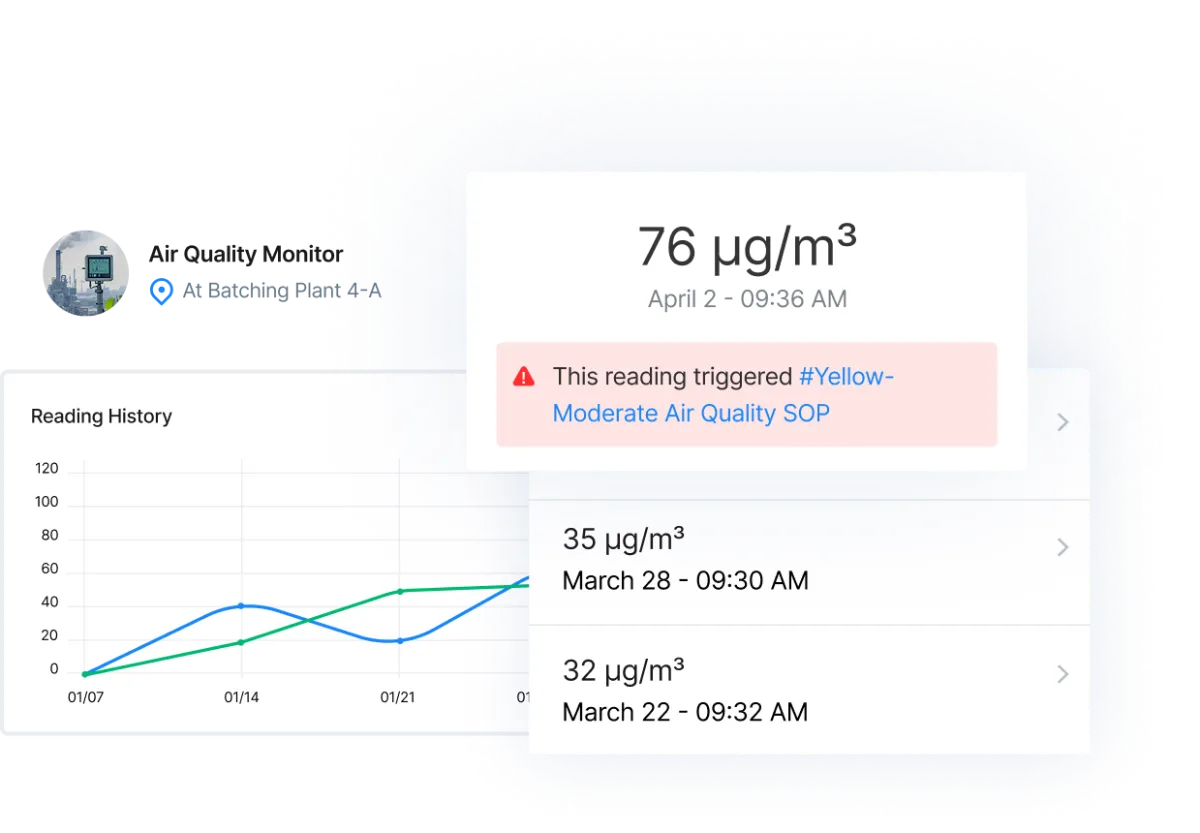
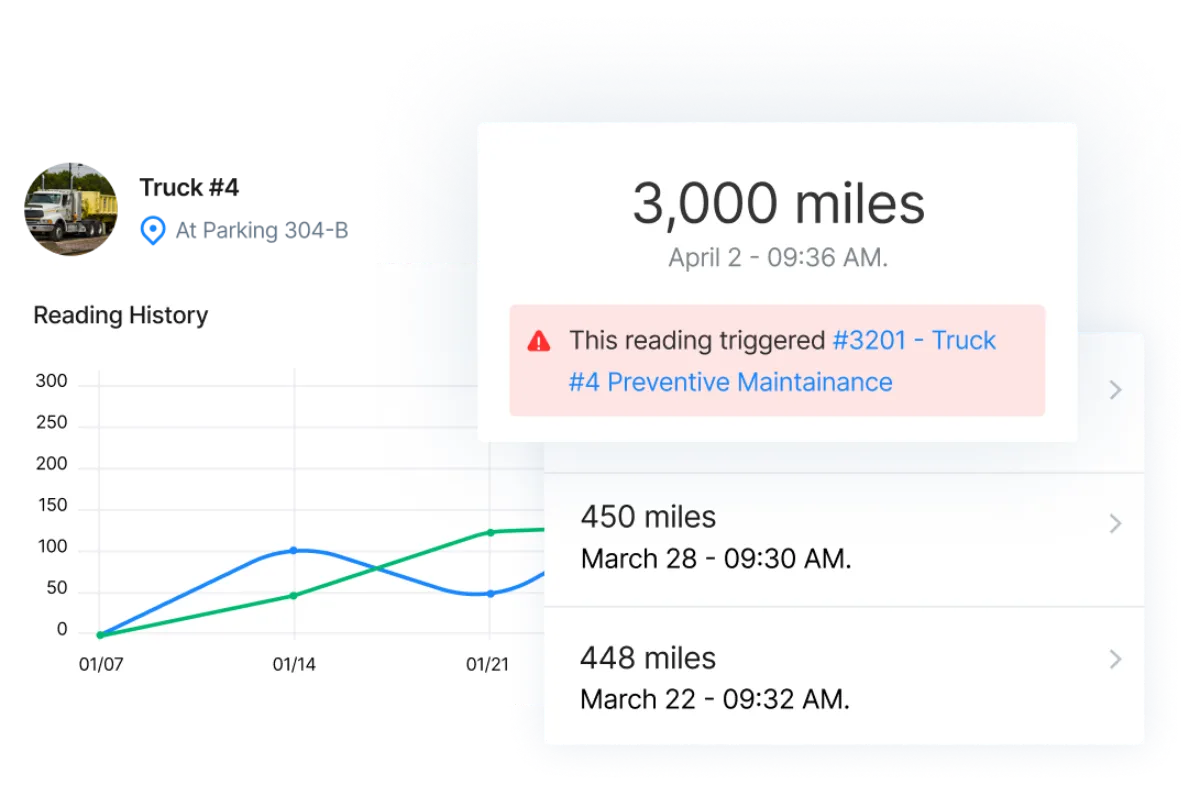
Automate preventive maintenance by time, meter readings, or condition so your fleet never misses service. Automatically trigger corrective work when inspections flag an issue to keep asset utilization high and breakdowns low.
Give field technicians everything they need to complete work from the job site
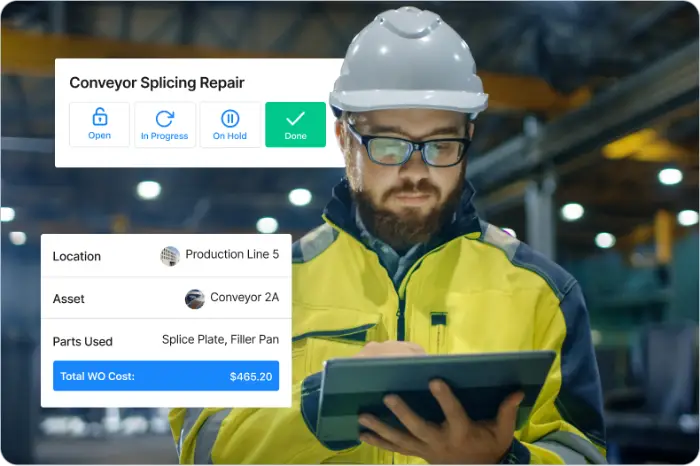
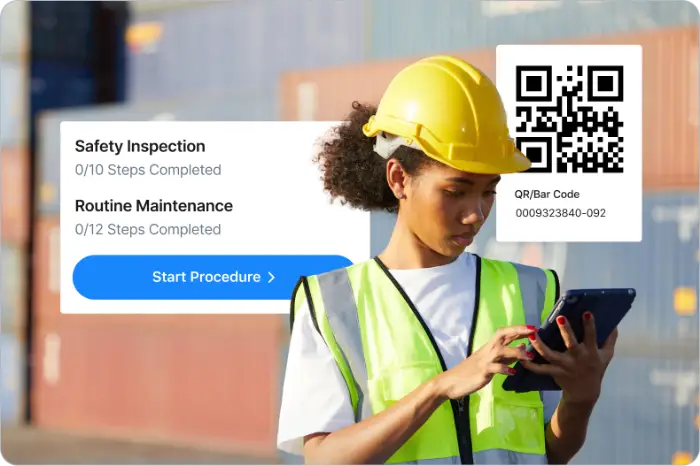
Technicians can create work orders, complete inspections, log equipment hours, and report issues from the field, even if without an internet connection. Capture maintenance data where the work happens, not hours later.
Use sensor data and telematics to stop failures before they happen
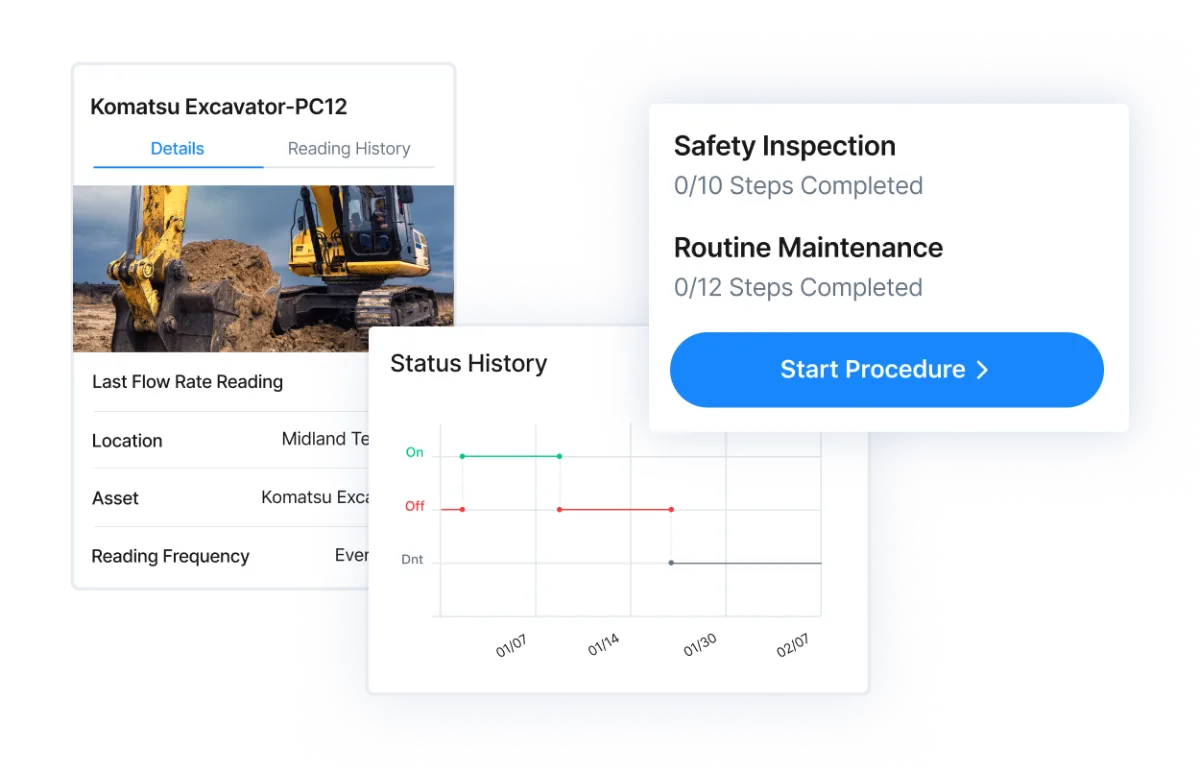
Use real-time data from PLCs, IoT sensors, and fleet management systems to automatically trigger work orders based on condition or usage. Catch failures before they stop production instead of reacting to breakdowns.
Track every asset's health, history, and costs
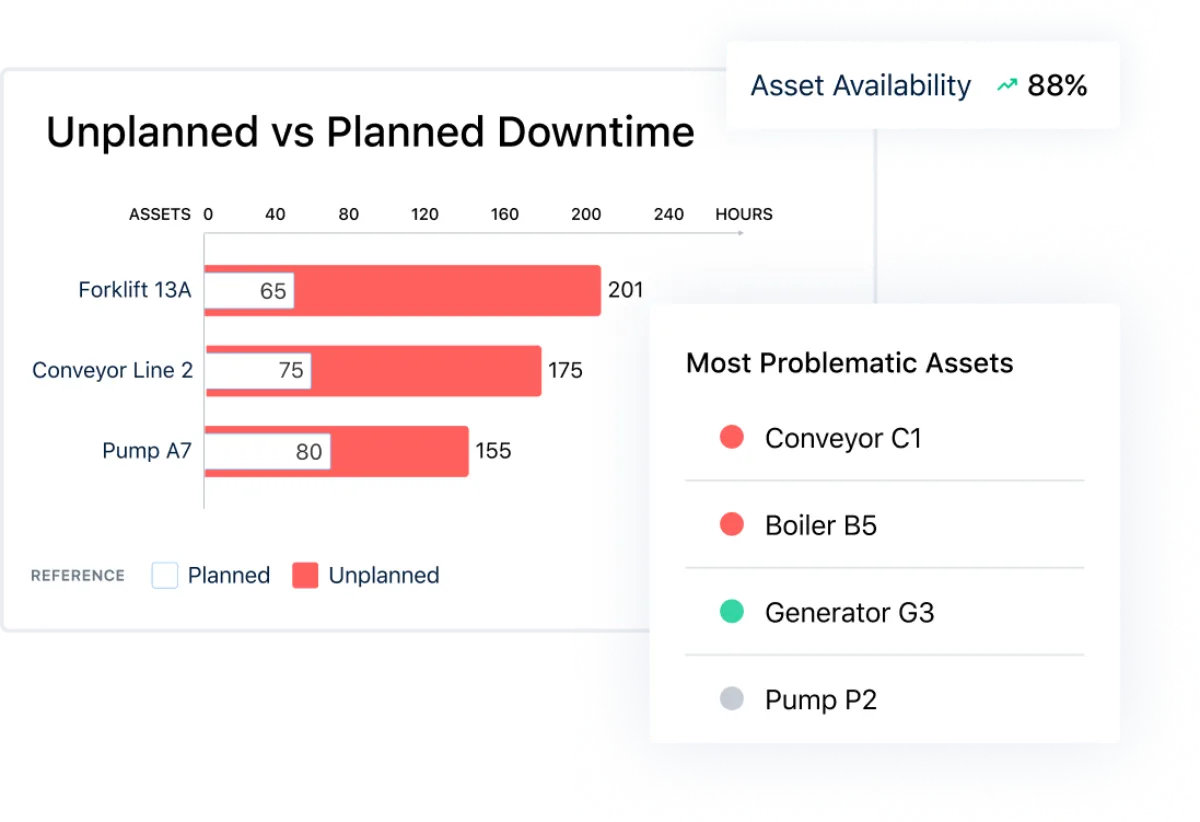
View a complete record for every asset in one place, including work history, downtime events, parts usage, and costs. Asset health and costs dashboards give you the data needed to make maintenance decisions with confidence.
Manage inventory so you always have the right parts on hand
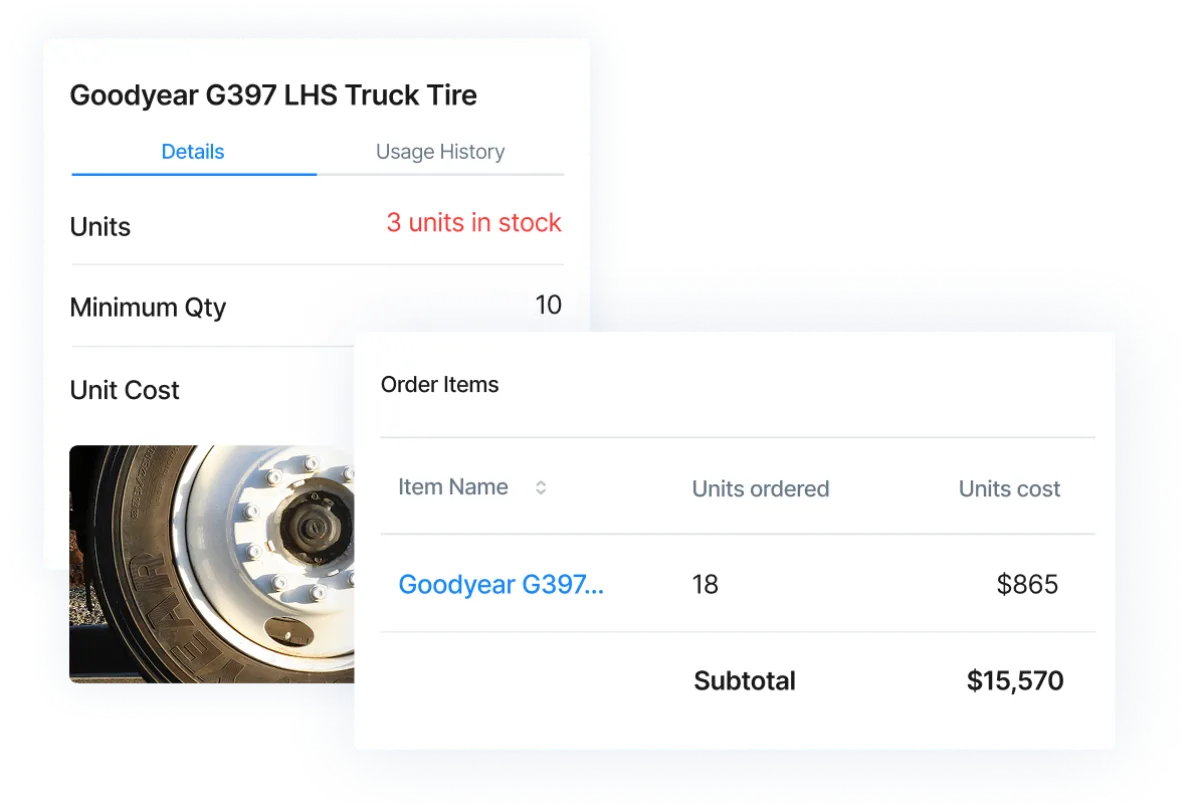
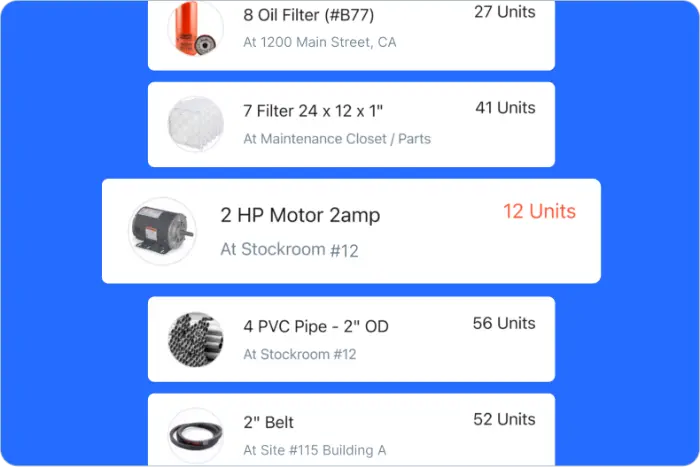
Track parts usage on work orders, set automated restock alerts, and share inventory visibility across locations. Automatic purchase order triggers and ERP sync eliminate manual coordination between teams.
Standardize maintenance work across every site and crew
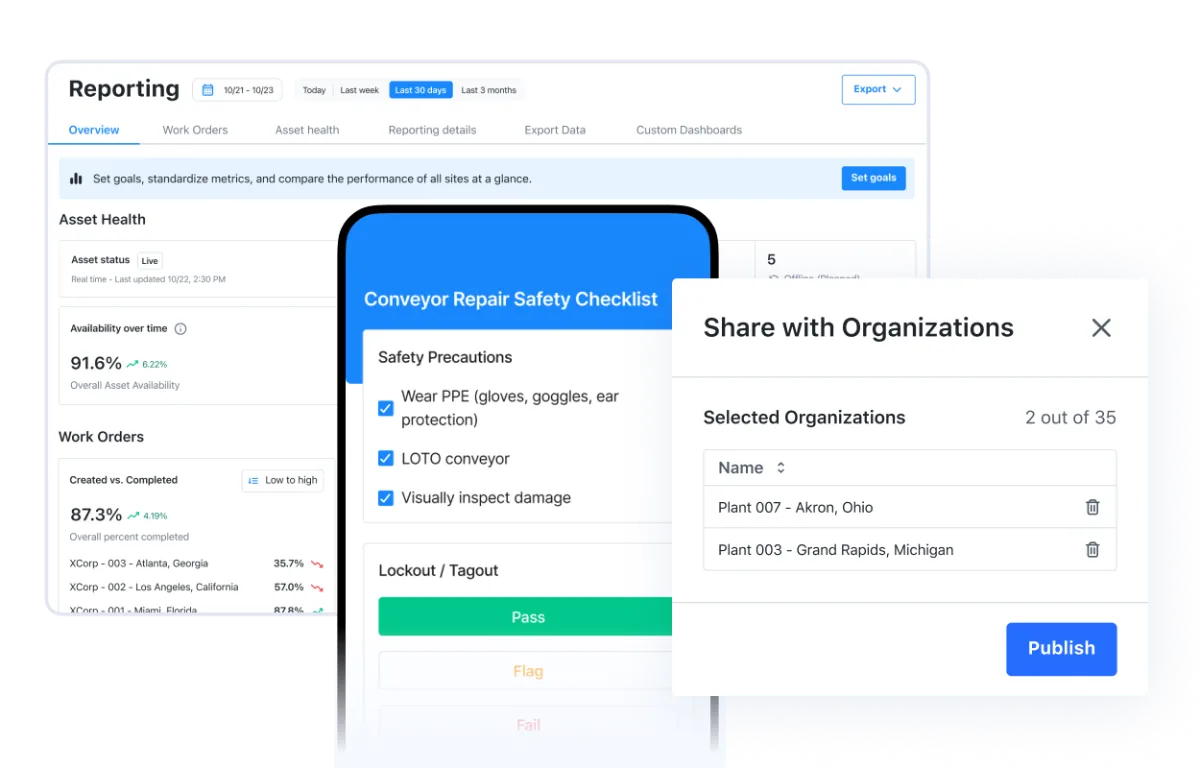
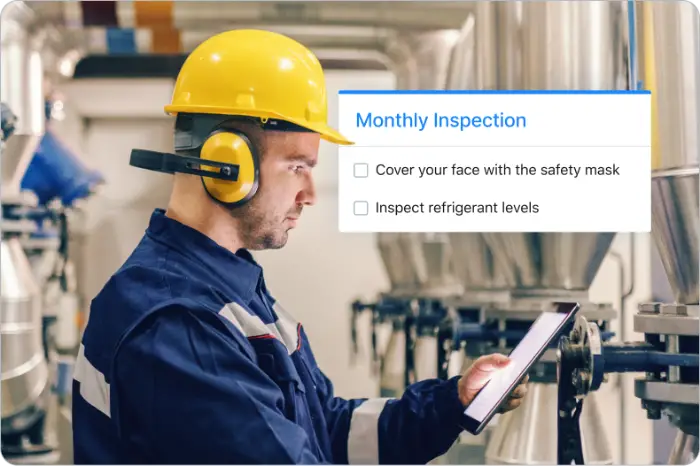
Build inspection checklists, work order templates, and SOPs once, then push them to every site instantly. Mandatory fields, sign-off steps, and timestamped audit trails make compliance centralized and easy.
Give technicians instant access to team knowledge
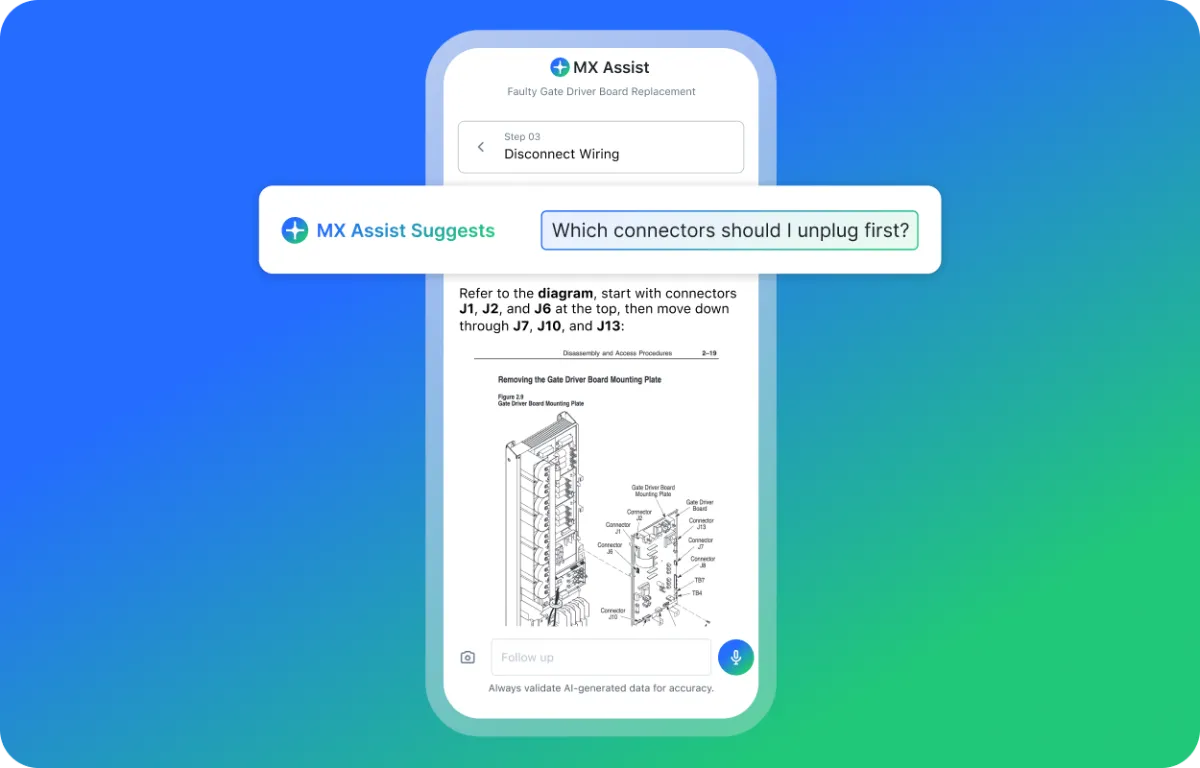
MaintainX AI learns from asset manuals and work history to guide technicians through diagnosis before problems escalate, making repairs more efficient.

.webp)

Award-winning software you can trust







Trusted by heavy equipment maintenance leaders
All I hear is how much easier, faster, and more user-friendly MaintainX is compared to what the teams did before.

One of the regional managers told me that within the first two months of managing their maintenance program with MaintainX, he's already seen a dramatic improvement in their reliability.
MaintainX has allowed us to hold a higher standard than before. We can keep track of all work and actually complete it, so it’s raised our standard quite a bit.
Frequently Asked Questions
What is heavy equipment maintenance software?
Heavy equipment maintenance software helps maintenance managers and fleet managers plan, track, and execute all maintenance activity across their equipment inventory, from construction fleets and heavy machinery to industrial assets and vehicles. Key features include preventive maintenance scheduling, digital work orders, mobile inspections, parts inventory tracking, equipment hours and service history, and reporting on asset health and maintenance costs. The best platforms integrate with telematics and fleet management systems to trigger condition-based maintenance automatically and connect maintenance data to ERP and accounting systems for full cost visibility.
How does heavy equipment maintenance software reduce unplanned downtime?
The biggest driver of unplanned downtime is reactive maintenance—fixing equipment after it fails rather than before. Heavy equipment maintenance software reduces emergency repairs by automating preventive maintenance scheduling based on calendar intervals, equipment hours, or sensor thresholds. It also enables predictive maintenance by surfacing anomalies in condition data and meter readings up to weeks before they cause failures. Companies using maintenance software report up to 75% reductions in downtime and 78% fewer emergency repairs, primarily because planned work is far less expensive and disruptive than unplanned breakdowns.
What features should heavy equipment maintenance software include?
There are several important capabilities for heavy equipment operations. The first one is automated preventive maintenance scheduling by time, usage, and condition. It's also important to look for mobile-first tools with offline support for field technicians at remote job sites. Heavy equipment maintenance software should also enable you to see complete maintenance history and service records for every asset. Any platform you purchase should be able to integrate with telematics and fleet management systems for GPS tracking and equipment hours, as well as IoT sensor connectivity for condition-based work order triggers. Parts inventory tracking and purchase order management is a must-have for any maintenance software, as is real-time reporting on equipment health, utilization, and costs. Lastly, it's critical to be able to build compliance workflows with digital audit trails. Adoption matters as much as features — a system your technicians won't use consistently delivers no operational value regardless of its capability set.
Can heavy equipment maintenance software integrate with fleet management systems?
Yes. Leading platforms integrate directly with fleet management systems like Samsara, Motive, and Verizon Connect to pull in mileage, engine hours, GPS location, and DVIR inspection results so maintenance work can be automatically triggered. When a vehicle inspection flags an issue or a usage threshold is crossed, a work order is created and assigned without manual intervention. This closes the gap between your fleet management data and your maintenance team's workflow so nothing slips through and your service history stays current across the entire fleet.
How does heavy equipment maintenance software work for construction companies?
Construction equipment operates in demanding, distributed environments with remote job sites, variable schedules, offline connectivity gaps, and crews that can't stop work to log maintenance details at a desk. The right maintenance management software handles all of that. Offline functionality ensures work orders and inspection records sync when connectivity returns. Mobile inspection apps let field operators complete DVIRs and report equipment health from the site. And GPS tracking keeps equipment location current for dispatch and service planning. 82% of construction companies still use manual maintenance tracking, which means most are flying blind on equipment utilization, service intervals, and true operating costs.
What's the ROI of heavy equipment maintenance software?
ROI varies by fleet size and current maintenance maturity, but the average company reports 400–700% ROI within 24 months, driven by downtime reduction, lower emergency repair costs, extended equipment lifespan, and reduced administrative overhead from manual tracking. The path to ROI is straightforward: automated preventive maintenance scheduling reduces the frequency and cost of breakdowns, better parts inventory management eliminates rush orders and excess carrying costs, and real-time reporting enables repair-or-replace decisions before assets become liabilities.
Does MaintainX work for large fleets and multi-site operations?
Yes. MaintainX is built for operations that span multiple sites and manage large asset inventories. It gives you a consolidated view of every piece of equipment across all locations, with the ability to transfer assets and their complete maintenance history between sites. Global Reporting aggregates KPIs across your entire operation so you can compare asset availability, PM completion rates, and maintenance costs site by site. Global Procedures let you push standardized checklists and SOPs to every site in real time, and Global Parts Management gives parts leaders visibility into stock levels across all locations to prevent stockouts and rush orders.
How long does it take to implement heavy equipment maintenance software?
Some platforms require 3–6 months for full implementation and training, particularly those built for legacy enterprise environments. MaintainX is designed to compress that timeline significantly. Implementation specialists handle data migration and digitization of existing asset records, platform configuration, and technician training. Most teams are closing work orders and running preventive maintenance schedules within weeks. MaintainX has completed 4,500+ implementation projects with a 98% adoption rate.
How does AI improve heavy equipment maintenance?
AI adds value in two areas: anomaly detection and maintenance intelligence. MaintainX AI is trained on your asset manuals and work order history, so it can surface troubleshooting recommendations when equipment shows early signs of failure, identify and explain fault codes, and suggest questions technicians might need to answer at each step of a procedure. AI Anomaly Detection flags irregular data and meter readings automatically, catching developing issues before they escalate. Smart Time Estimates use historical work order data to improve scheduling accuracy. These capabilities make experienced technician knowledge accessible to the whole team, not just the people who've been doing the job for years.
What separates MaintainX from other heavy equipment maintenance software?
Most maintenance platforms are built for one type of buyer — either large enterprises with long implementation timelines or small shops that outgrow the software quickly. MaintainX covers both, with enterprise-grade asset management, global reporting, and ERP integrations on one side and a mobile-first technician experience that drives real adoption on the other. It also integrates with your existing systems, like fleet management and telematics systems your operation already uses, including Samsara, Motive, and Verizon Connect, rather than treating them as separate data silos. With 4,500+ implementation projects completed, a 98% adoption rate, and G2 Spring 2026 awards for Best Usability, Most Implementable, and Best ROI, MaintainX is the platform operations teams trust to deliver results, not just features.
What adoption rate should I expect from heavy equipment maintenance software?
Adoption varies significantly by platform and how the rollout is handled. Industry results range from 85% team adoption within 60 days for simpler tools to 94%+ for platforms with strong mobile experiences and structured onboarding. The consistent finding is that companies achieving 90%+ adoption invest in change management, like training programs, early wins with high-impact features, and ongoing support, rather than treating go-live as the finish line. A system your technicians don't use consistently delivers no value regardless of its capabilities.