
Asset Performance Management
Maximize the performance of every asset, at every site
Boost capacity and throughput without more CapEx. Use MaintainX to monitor asset health, automate maintenance, and get the data you need for peak asset performance.


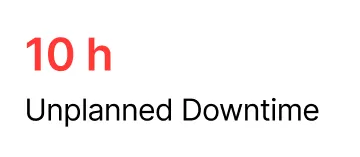










Our clients using MaintainX report
Use AI to catch asset failure before it takes down a line
Spot the early signs of asset failure with AI anomaly detection. Then use MaintainX AI to get real-time repair assistance so technicians can get equipment back online in a fraction of the time.
Compare asset performance across every site with one view
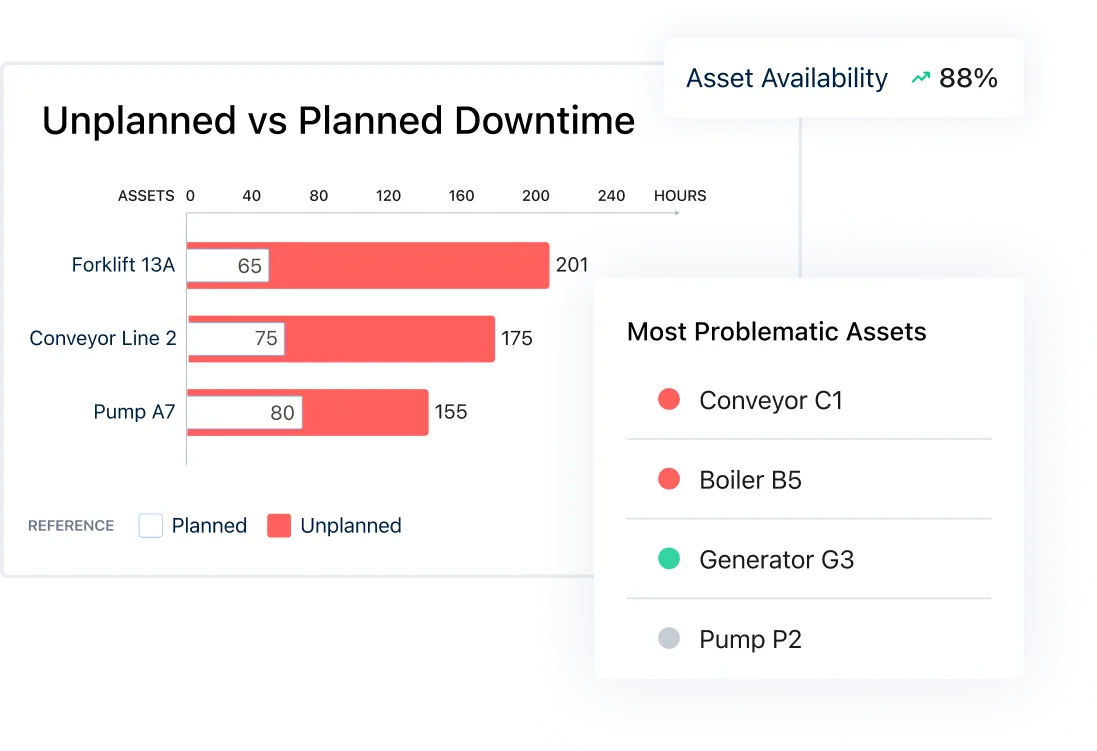
See asset health, downtime, and maintenance KPIs across all locations in a single dashboard. Identify which sites are lagging, standardize what's working, and make faster operation-wide decisions.
Standardize asset management practices at all your facilities
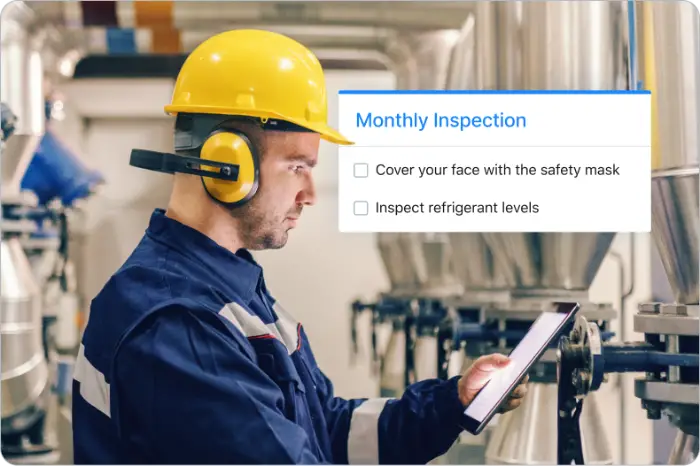
Build AI-generated checklists, enforce mandatory data fields, and deploy procedures across every site in real time. Every inspection is timestamped, traceable, and tied to the asset's full work history.
Slash downtime with preventive and condition-based maintenance
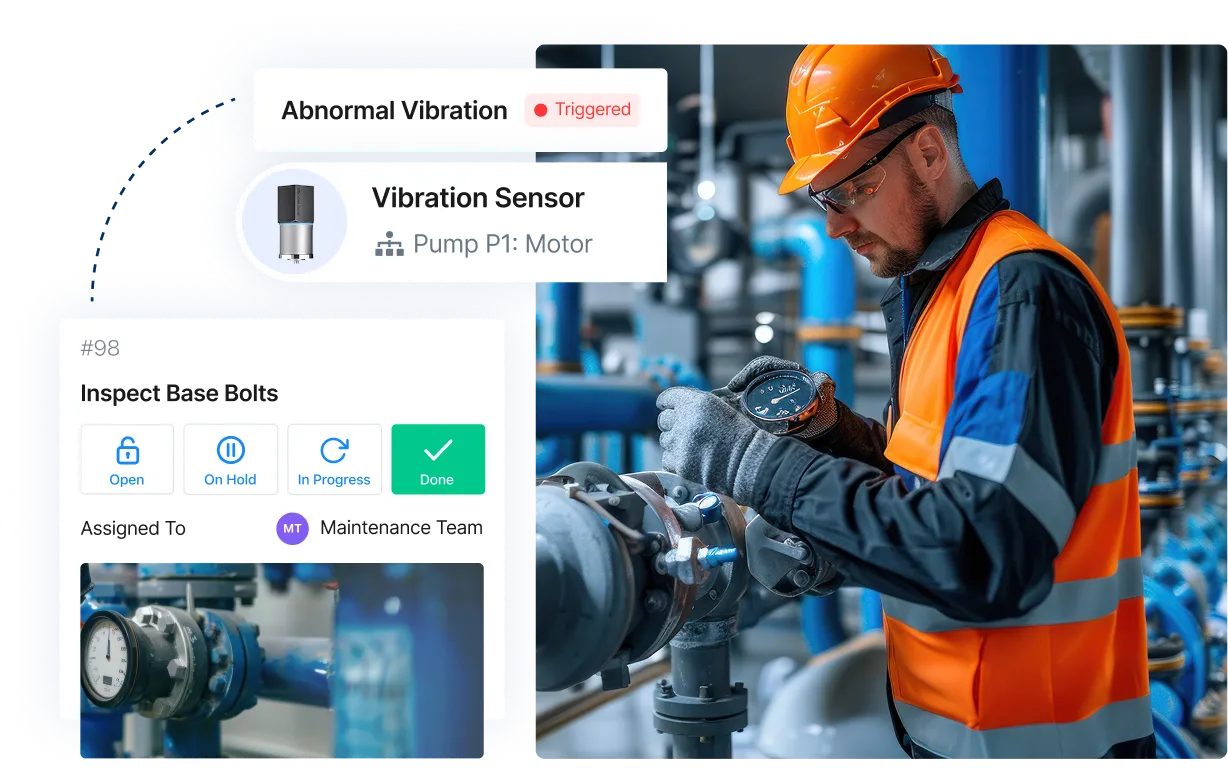
Automate PM schedules by time, usage, or live sensor data. Trigger corrective work orders the moment an inspection flags a problem and before failure disrupts production.
Get the data you need for better CapEx decisions
Track labor, parts, and maintenance costs per asset. Monitor depreciation, work history, and failure trends so you can make capital expenditures using actual cost and performance data.

Connect asset and work data across your industrial tech stack
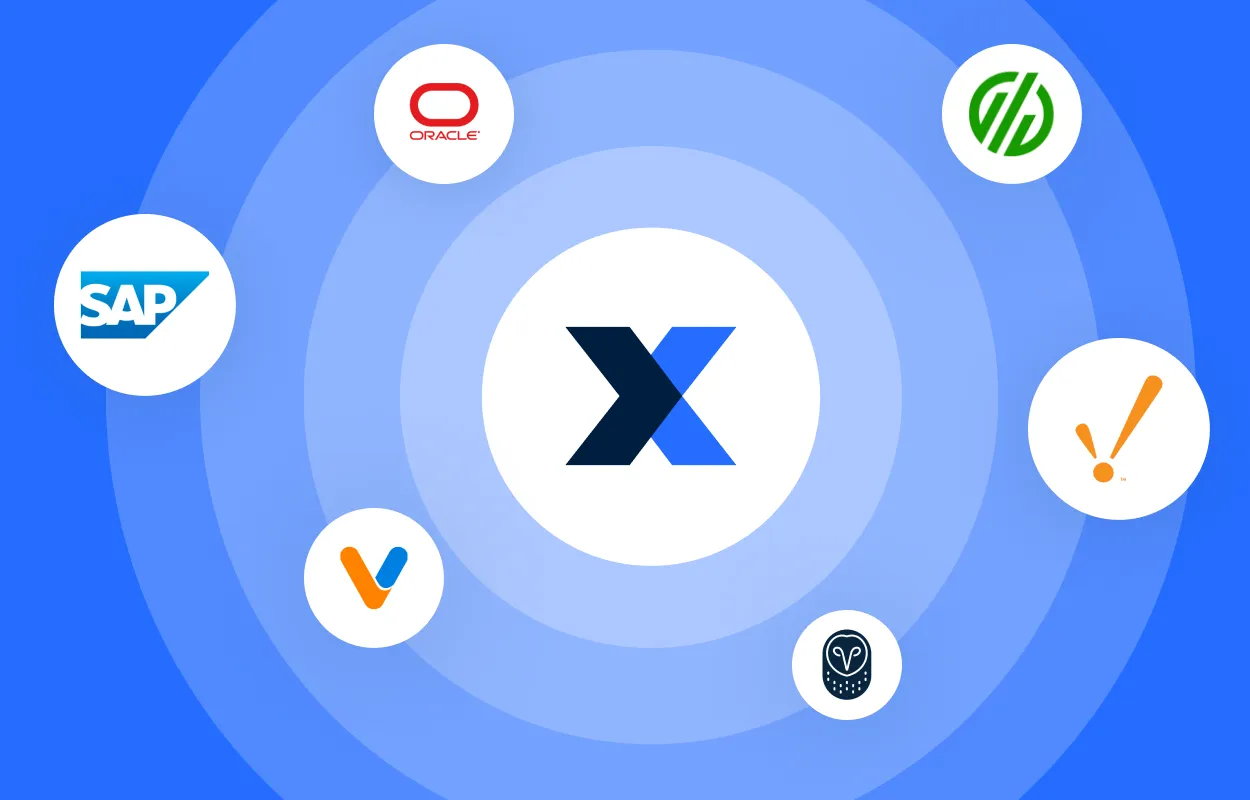
Sync data from assets, work orders, and your storeroom with any system your business relies on, from ERPs to sensors, PLCs, and other OT hardware using the MaintainX Integrations Marketplace or open API.


.webp)

Award-winning software you can trust




See what customers have to say
We use MaintainX to manage and maintain more than 50 critical assets, achieving significant improvements in machine uptime and overall efficiency.

We are more organized with MaintainX and have the ability to predict machine failures which has reduced equipment downtime.
MaintainX is the reason we have gone from an overall plant efficiency of 60% to over 95%.
Asset performance management software FAQs
Got a question? We’ve got answers. Need troubleshooting help? Check out our Support Center.
What is asset performance management?
Asset performance management (APM) is a strategy for improving the reliability, health, and efficiency of physical assets across their entire lifecycle. It combines asset data, maintenance history, condition monitoring, and analytics to help teams make better decisions about maintenance, risk, and performance.
In practice, asset performance management helps organizations reduce unplanned downtime, extend asset lifespan, and improve operational efficiency. It gives maintenance and operations teams a clearer view of asset health so they can focus on the equipment that has the biggest impact on operations, costs, and business outcomes.
What is asset performance management software?
Asset performance management software is a digital solution that helps organizations monitor asset health, analyze performance, and optimize maintenance strategies. It uses data from equipment, inspections, sensors, and other existing systems to identify risks, prioritize critical assets, and improve asset reliability.
APM software supports data-driven decision making with actionable insights, predictive analytics, and performance metrics. The goal is to help teams reduce maintenance costs, increase uptime, and keep assets operating at peak performance.
How does asset performance management improve asset reliability?
Asset performance management improves asset reliability by helping teams understand how assets are performing, where failures are likely to happen, and which maintenance actions will have the biggest impact. It brings together asset history, condition data, and performance metrics so teams can move from reactive maintenance to more proactive operations.
By using APM solutions to identify root causes, detect early signs of equipment failure, and focus resources on critical assets, organizations can reduce repeat issues and improve consistency across operations. Better reliability means fewer disruptions, higher system availability, and more confidence in day-to-day performance.
How does asset performance management reduce unplanned downtime?
Asset performance management helps reduce downtime by continuously monitoring asset condition, identifying early warning signs, and triggering action before failures disrupt operations. With real-time visibility into asset health and maintenance workflows, teams can respond faster, reduce emergency repairs, and keep critical equipment running.
This approach helps organizations avoid costly equipment failure, reduce emergency repairs, increase uptime for critical assets, and ensure assets are performing to the best of their ability. When teams can see performance problems sooner and respond with a clear path to remediation, they can protect operational efficiency and minimize the financial impact of downtime.
How does asset performance management lower maintenance costs and operational costs?
Asset performance management lowers maintenance costs by helping teams make smarter maintenance decisions based on asset condition, risk, and performance. Rather than over-maintaining or reacting to failures after they happen, organizations can target the right assets with the right maintenance strategy.
This reduces unnecessary labor, spare parts usage, emergency repairs, and lost production time. Over time, asset performance management also helps reduce operational costs by improving efficiency, increasing machine reliability, and supporting better use of capital expenditures and maintenance resources.
How does asset performance management support predictive maintenance?
Asset performance management and APM solutions support predictive maintenance by using asset data, condition signals, and historical patterns to identify when equipment is likely to fail or degrade. This helps teams schedule maintenance based on actual asset health instead of fixed intervals alone.
With predictive maintenance, organizations can reduce unnecessary work, prevent avoidable breakdowns, and improve maintenance schedules for critical assets. APM software makes this possible by turning raw data into predictive insights that help teams take action before performance issues affect operations.
What is the difference between asset performance management and enterprise asset management?
Enterprise asset management (EAM) focuses on managing the operational records and workflows around assets, such as work orders, parts, maintenance schedules, and asset inventories. Asset performance management focuses more specifically on improving the health, reliability, and performance of assets while reducing risk.
In other words, EAM helps teams manage assets, while APM solutions help them optimize asset performance. Many organizations use both together: enterprise asset management for execution and record keeping, and APM software for analytics, reliability improvement, and more informed maintenance strategies.
How does asset performance management improve operational efficiency?
Asset performance management improves operational efficiency by turning maintenance and operations data into valuable insights that help teams prioritize work, standardize processes, and reduce wasted effort. With stronger visibility across sites and assets, organizations can make more informed decisions and remain competitive as operations scale.
That leads to fewer breakdowns, faster problem remediation, better use of labor, and more reliable production or service delivery. By aligning maintenance and operations around data and outcomes, asset performance management helps organizations move closer to operational excellence.
Can asset performance management software integrate with existing systems?
Yes, APM software is designed to work with existing systems such as enterprise asset management platforms, CMMS tools, ERP systems, historians, IoT devices, and other software solutions. Integration is important because it allows teams to combine operational data, maintenance records, and asset context in one place.
By connecting to existing systems, organizations can avoid data silos and make better decisions without replacing their entire technology stack. This also makes it easier to scale asset performance management across sites, improve response times, standardize workflows, spot potential failures before they happen, and create a more complete picture of asset performance.
What capabilities should you look for in asset performance management software?
The best APM software combines condition monitoring, workflow automation, and data analytics to help teams detect issues sooner and optimize maintenance strategies. Buyers should also look for dashboards, asset health insights, and integrations that give maintenance and operations teams the context they need to act quickly.
It is also important to look for APM software that supports integration with existing systems, clear reporting, and actionable insights that maintenance and operations teams can actually use. The right solution should help improve asset performance, reduce operational costs, and support better business outcomes across the entire lifecycle of physical assets. A web application with machine learning capabilities that combine asset history and real-time monitoring to assess asset health and prescribe maintenance actions should also be a consideration for enterprise teams.
How does asset performance management software support regulatory compliance and risk management?
APM solutions help organizations reduce risk, improve quality, and support regulatory compliance by standardizing maintenance procedures, creating digital audit trails, and ensuring critical work is completed consistently. It gives teams a clearer view of asset condition, work history, and required actions so they can better manage compliance across sites and reduce exposure to equipment, safety, and operational risk.
This matters because compliance is not just about passing audits. It is about protecting uptime, reducing human error, creating accountability around critical assets, and reaching sustainability goals. Strong APM software helps teams enforce standards, document work, and respond faster when performance or reliability issues could impact operations.
Can asset performance management software scale across multiple facilities?
Yes. APM software can help industry leaders standardize and improve performance across multiple sites by consolidating asset data, reporting, procedures, and parts visibility in one system. This makes it easier to compare KPIs and advanced analytics across facilities, identify reliability issues, and apply best practices company-wide.
For enterprise buyers, software with multi-site scalability is a major advantage because it supports more consistent operations, better capital planning, and lower operational costs. Instead of managing assets site by site, teams can monitor performance across the organization, share inventory and procedures, and make data-driven decisions that improve efficiency at scale.