

Pre-trip inspections help address DOT requirements, but they also generate valuable maintenance intelligence when structured properly. A standardized truck inspection checklist transforms routine compliance into a data source that reveals brake wear patterns, fluid system trends, and emerging issues across the fleet before they become roadside breakdowns.
We’ve provided this truck inspection checklist as a template to help fleet maintenance managers standardize pre-trip inspections. Download your copy for use on its own or with a computerized maintenance management system (CMMS).
Key takeaways
- Pre-trip inspections reveal more than individual vehicle status. Recurring defects across multiple trucks often signal preventive maintenance interval gaps, vendor quality issues, or training needs that single inspections miss.
- Tracking inspection findings in a CMMS transforms daily compliance checks into fleet intelligence, making it easier to spot trends before small issues become roadside failures.
- Defects rarely exist in isolation. Uneven tire wear may indicate suspension or steering problems, and brake chamber leaks often connect to broader air system health.
How to use this checklist
Customize for your fleet
This checklist references common FMCSA inspection points, but every fleet has unique operational needs. Use it as a baseline, but be sure to verify current requirements and add inspection points for specialized equipment like refrigeration units, lift gates, or tanker valves. Adjust tire depth minimums based on regional weather conditions or seasonal routes.
Operations hauling hazmat or oversized loads typically need additional inspection points specific to those cargo classifications, such as verifying that placards match shipping papers and fire extinguishers meet specifications for hazmat carriers, or confirming permits are onboard and "OVERSIZE LOAD" banners are securely mounted for oversized loads.
Use a CMMS
Use this checklist on its own or with a computerized maintenance management system (CMMS). A CMMS transforms paper driver vehicle inspection reports (DVIRs) into digital records that drivers complete on mobile devices. Mechanics receive instant notifications when defects require attention, reducing repair turnaround time.
Digital checklists capture timestamps, photos, and signatures that can support DOT recordkeeping during compliance audits.
Truck inspection checklist
Brake systems and air supply
Tires, wheels, and suspension
Steering and driveline
Lighting and electrical
Mirrors, visibility, and cab
Coupling and trailer connections
Frame, body, and cargo
Engine, fluids, and exhaust
Safety equipment and documentation
This checklist is to be used only by those with appropriate training, expertise, and professional judgment. You are solely responsible for reviewing this checklist to ensure that it meets all professional standards and legal requirements, as well as your needs and intent.
How to complete and manage driver vehicle inspection reports (DVIRs)
DVIRs document the condition of commercial vehicles at the start and end of each driving day. Regulations require drivers to note any defects affecting safe operation, and carriers must certify repairs before the next dispatch.
Effective DVIRs capture more than pass/fail status. Drivers who note early warning signs provide maintenance teams with actionable intelligence. A slight vibration during braking or steering pull under load could be a sign of a more significant problem; catching it early can prevent a breakdown on the road.
Retention requirements vary by jurisdiction, but most carriers maintain DVIRs for a minimum of 90 days. Digital systems simplify this process by timestamping entries and linking inspection records to specific vehicles. When defect patterns emerge across multiple DVIRs, maintenance supervisors can investigate root causes rather than treating each repair as an isolated event.
How does FMCSA classify defect severity?
Not every defect carries equal urgency. FMCSA regulations distinguish between defect severity levels, though specific classifications can vary.
Typically, out-of-service defects demand immediate action: Brake system failures, steering component damage, and tire cord exposure fall into this category. Vehicles cannot operate until repairs are complete and verified.
Other defects allow continued operation with documented repair timelines. A minor oil leak, cracked mirror housing, or dim marker light typically allows for completing the current trip with repair scheduled within 24 to 48 hours.
How to turn inspection findings into preventive maintenance actions
Truck inspection checklists become valuable when they flow into preventive maintenance planning. A documented coolant leak should trigger more than a repair ticket. The leak location determines urgency, identifies likely failed components, and initiates parts procurement.
Fleet managers who aggregate inspection findings often spot patterns invisible at the individual vehicle level. Multiple trucks reporting similar tire wear within a two-week span may indicate alignment issues from a specific route, overloading practices, or a batch of underperforming tires from a supplier.
Connecting driver observations to work order systems closes the loop between detection and resolution. Maintenance teams gain context about how defects present in operation, while drivers see their reports generating actual repairs.
How to standardize inspections across your fleet
Standardization starts with clear inspection protocols that define what constitutes a defect. Brake adjustment limits, tire tread depth thresholds, and fluid level minimums should be documented rather than left to individual judgment. Photos of common defect conditions help calibrate driver assessments.
Driver training is a big part of standardization, too. New drivers benefit from ride-alongs with experienced inspectors who demonstrate technique. Periodic refreshers address drift in practices and introduce updated requirements. The goal is for inspection data to be reliable enough to inform fleet-wide decisions about component sourcing, PM intervals, and driver coaching needs.
Simplify inspections with a mobile CMMS
A CMMS allows drivers to complete pre-trip inspections on mobile devices and share data with maintenance supervisors and dispatchers.
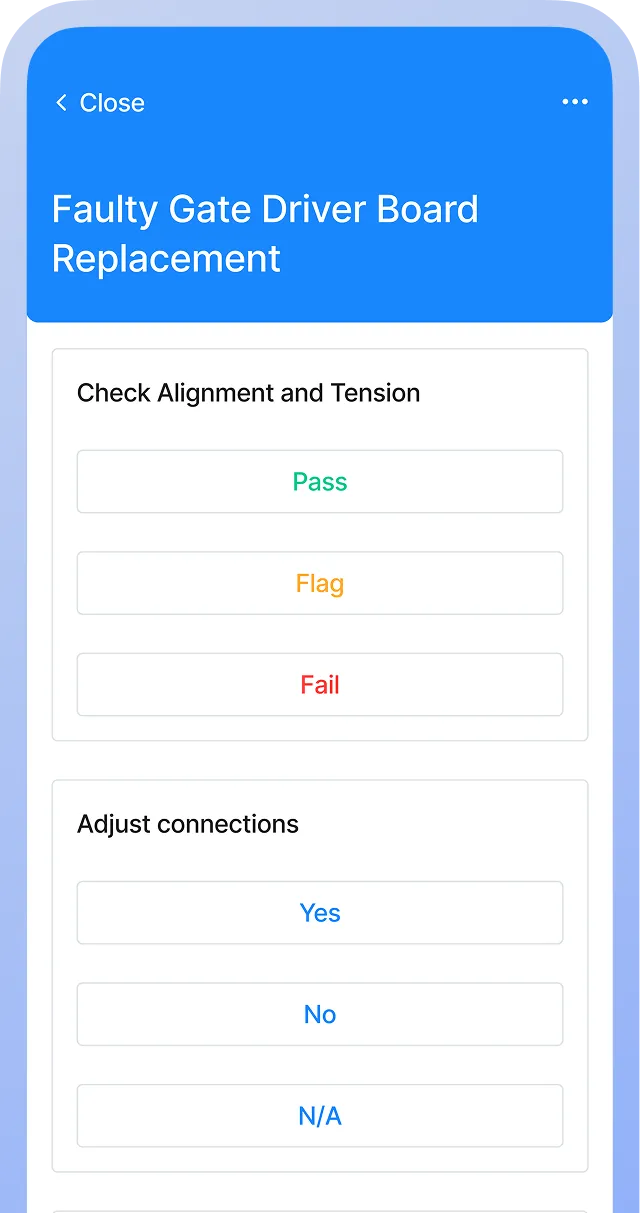
Digital inspection forms guide drivers through required checkpoints while capturing photos, timestamps, and GPS coordinates. This documentation supports compliance audits and provides context for repair technicians who may not have seen the defect firsthand.
The real advantage emerges from data aggregation. When inspection records feed into a centralized system, fleet managers can run reports showing defect frequency by component, vehicle age, or operating route. These insights transform daily inspections from isolated compliance tasks into a continuous feedback loop that shapes preventive maintenance strategy and purchasing decisions.
Catch fleet issues before they become roadside failures
MaintainX digitizes truck inspections and checklists in a mobile-friendly platform that automatically generates work orders from inspection findings. The system tracks defect resolution in real time and maintains a complete audit trail for DOT compliance reviews. Fleet managers gain visibility into inspection completion rates across their entire operation, ensuring no vehicle leaves the yard without proper documentation.


Truck Inspection Checklist FAQs
How often are truck inspections legally required?
FMCSA regulations distinguish between defect severity levels, though specific classifications can vary. Work with your compliance team to understand current requirements. Generally, regulations require a pre-trip inspection before every trip and a post-trip inspection at the end of each day.
Beyond compliance, treating each inspection as a data point helps identify wear patterns across your fleet before they become roadside failures.
What happens if I find a defect during my truck inspection?
Document the defect on your DVIR immediately. Severity determines next steps: Out-of-service conditions like brake failure require immediate repair before operation, while minor issues can be scheduled. The defect location and type should trigger specific maintenance workflows and parts requisitions.
How long should a complete pre-trip inspection take?
Plan for 15 to 30 minutes, depending on vehicle configuration. Tractor-trailers take longer than straight trucks. Experienced drivers develop efficient routines, but inspections consistently under 10 minutes typically mean components are being skipped.
What's the difference between pre-trip and post-trip inspections?
Pre-trip confirms the vehicle is safe to operate. Post-trip documents issues that developed during operation so maintenance can address them before the next shift. Together, they create a continuous monitoring cycle that catches problems early.
Can I drive a truck with a known defect if it's documented on the DVIR?
It depends on severity. Out-of-service defects generally prohibit operation. Inoperative brakes, bald tires, and non-functional lights fall into this category. Minor defects may allow for operation if a qualified mechanic certifies the vehicle is safe and documents the repair timeline.
What are the most commonly cited truck inspection violations?
Brake systems, lighting, and tires consistently top CSA violation reports. When multiple vehicles in your fleet flag similar components, look beyond individual repairs. A pattern often signals PM intervals need adjustment or a parts supplier quality issue.
How can digital inspection tools improve compliance and efficiency?
Digital tools like a CMMS capture inspection data in real time with photo documentation and timestamps. Aggregating results across your fleet reveals trends that show systemic maintenance gaps before they trigger roadside violations.

The MaintainX team is made up of maintenance and manufacturing experts. They’re here to share industry knowledge, explain product features, and help workers get more done with MaintainX!


.webp)