
Ask a finance director how much a manufacturing site spent on maintenance last month, and they'll give you a number. Ask how confident they are in that number and the answer gets a lot more complicated.
This isn't a trust problem between people. Finance is just doing exactly what they're supposed to do: reconciling what was spent, verifying what was consumed, and trying to give leadership an accurate picture of where money went. The challenge is that the data they're working with often arrives late, out of context, or in a format that requires interpretation before it's useful.
This data quality problem starts on the shop floor, but where should teams start if they want to fix it?
Where the data problem starts
In many manufacturing operations, maintenance operations run on paper work orders, spreadsheets, and technicians’ memories of what they fixed and what parts they used.
By the time that data reaches finance, it’s passed through multiple handoffs. Parts consumed on a work order get logged after the fact. Parts orders raised informally on the shop floor get reconciled against what was actually ordered later. Labor hours get estimated instead of pulled from the job itself.
The result is a reconciliation process that can take days, and still leaves finance with incomplete information because maintenance lacked a proper system for capturing the data in the first place.
What inaccurate data costs
When maintenance data isn't captured accurately, a few things happen consistently.
- Inventory drift: Parts are consumed but never recorded cleanly. By month end, the count on paper stops matching the count in the room.
- Cost surprises: There's no early warning signal that spend is running high, just a number at month end that's hard to explain.
- Delayed decisions: Repair-or-replace calls, PM budget allocation, and interval adjustments all depend on accurate cost and failure history. When that history doesn't exist, teams delay decisions or make them based on gut feel.
How to give finance real numbers
Every asset has a data record before a technician ever touches it: design specs, construction documentation, the commissioning package that defines what was built. That asset's history is supposed to keep growing as long as the asset runs. But in many plants, that history stops being recorded the day the asset is commissioned because maintenance and operations teams were never given a system to keep adding to it.
A CMMS can empower teams to keep building on that asset record. When technicians log parts, labor time, failure notes, and PM completion consistently, costs stop being estimates. Repair spend information accumulates so, over time, teams can base their capital decisions on documented costs instead of approximations.
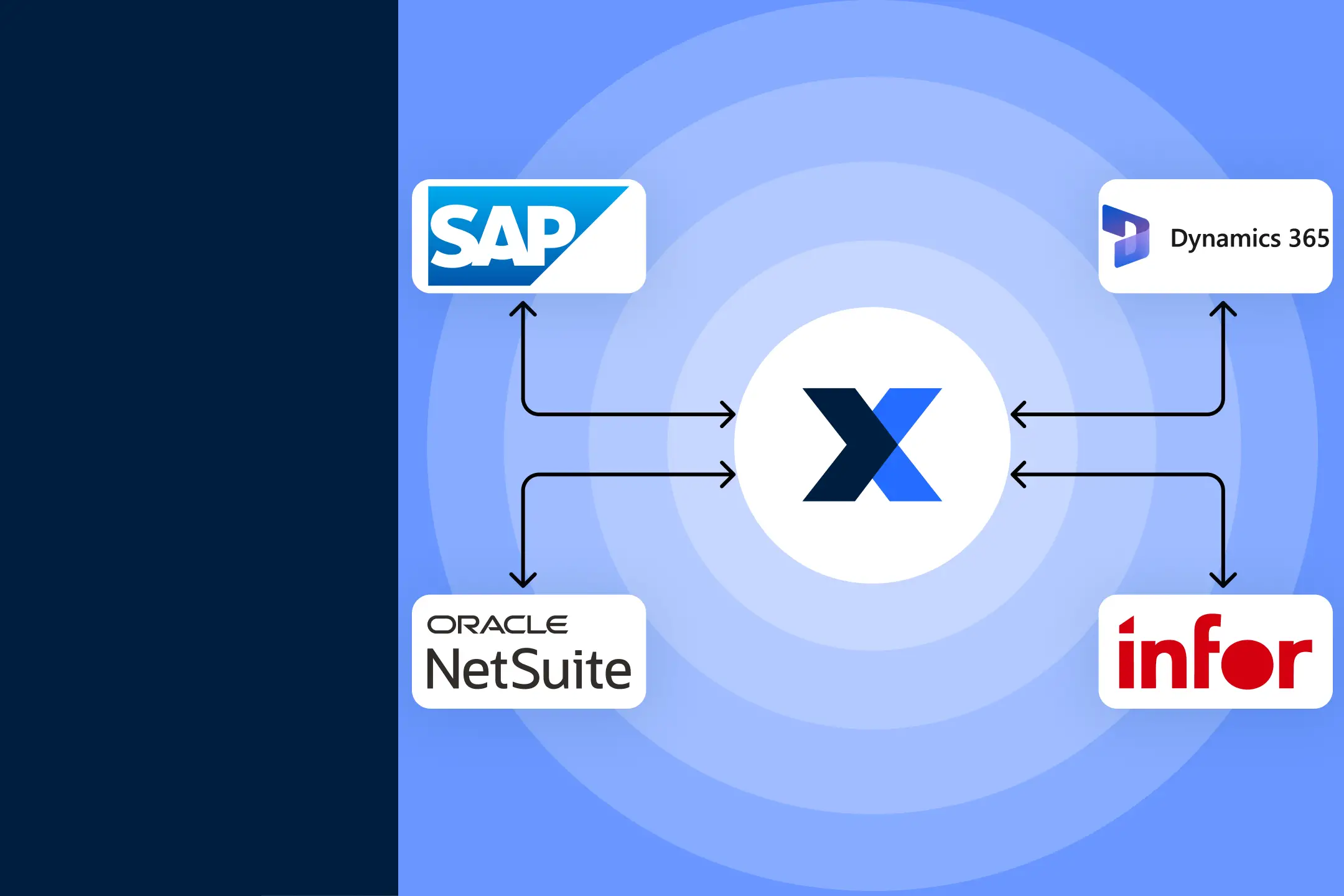
For manufacturers running SAP, Oracle NetSuite, or another ERP platform, connecting a CMMS like MaintainX extends important information from work orders to the financial system, and vice versa:
- Parts consumption posts to the ERP as work orders close.
- POs created in the ERP show up in MaintainX so technicians know what's on order.
- Vendor records stay in sync across both systems without anyone having to re-enter them.
What you end up with is one continuous, accurate record of everything that’s happened to the asset, from design and construction through operations. Finance can then reconcile real numbers.
What does it take to start
Fixing your data discrepancies doesn't require replacing your ERP or overhauling how the maintenance team works. It starts with giving technicians a system they can easily use to capture the data, no matter where they are on the floor.
MaintainX deploys in just weeks per site. From day one, technicians are logging parts, completing PM checklists, and closing work orders in a system built to produce clean data. That data improves maintenance outcomes first and lets an asset’s record keep running through design, build, and every year of operation after.
Operations and finance should be working from the same information. Getting to that point starts with giving teams the tools to capture it. See how MaintainX connects with your ERP of choice.

Tyler Hufstetler is the Director of Partnerships at MaintainX, where he’s built the company’s partnership ecosystem. Since joining in 2021 as the first partnerships hire, Tyler has established key alliances with SAP, AWS, and other industry leaders, while supporting the sales team and strengthening customer relationships. Before joining MaintainX, Tyler led partnerships at Parsable and was a fellow with the World Economic Forum, focused on Advanced Manufacturing initiatives. A veteran of the U.S. Army, Tyler served in several combat leadership roles.




.webp)